Is China’s climate returning to that of Tang dynasty golden age? Experts warn of a trap
In China’s arid northwest, local state media in the Ningxia Hui autonomous region are celebrating a surge of rainfall in an area that usually averages 300mm (about 12 inches) per year. The rain belt moving northwards would bring “climate dividends”, the Ningxia Broadcasting News Centre said last month, promising that “loess soil will turn green and farming area will expand”. Reporting on a…
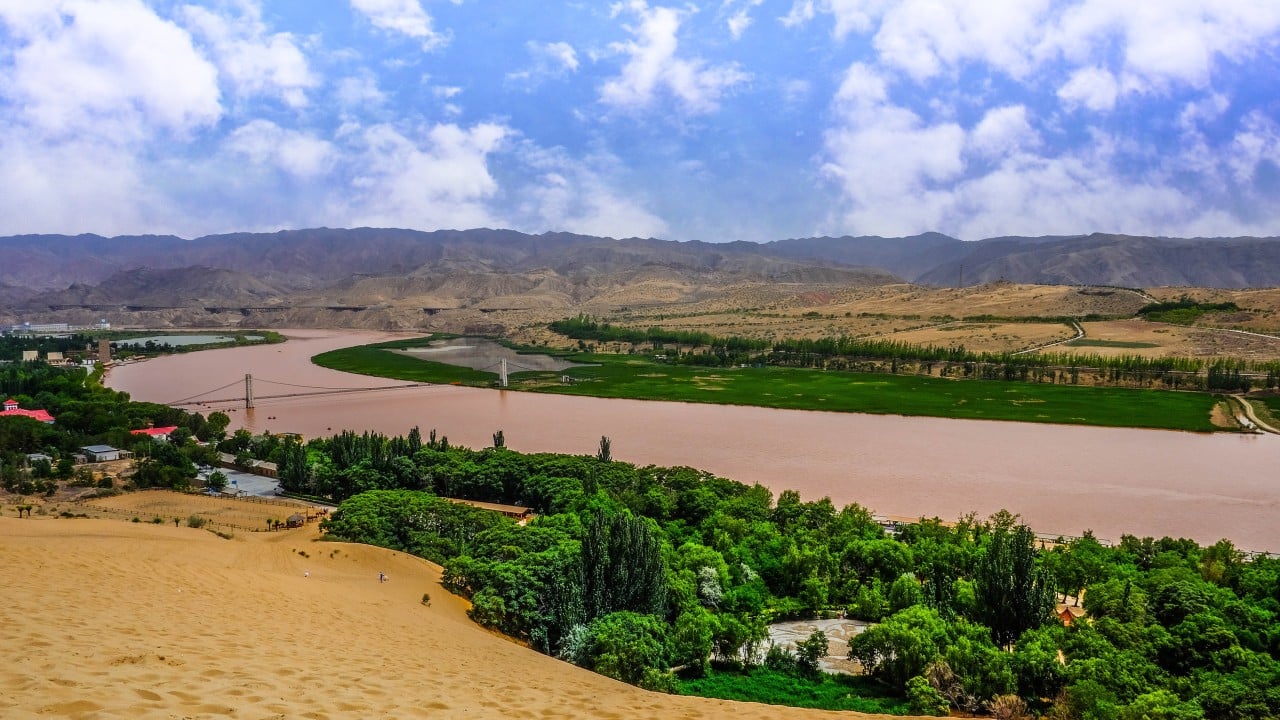
In China's arid northwest, local state media are touting a rise in rainfall as evidence of the region returning to the climate conditions of the Tang dynasty's golden age. However, experts caution that such hype glosses over the complex and unpredictable nature of modern climate change.
A surge of rain in Ningxia Hui autonomous region, which typically receives around 300mm of rain annually, has led state media to describe the shift in precipitation as a "heavenly fortune." This northward march of the 400mm precipitation line – marking the transition from arid to humid regions – is being framed as a reversal to the wet, verdant conditions that once supported the Tang dynasty's granary north of the Great Wall.
While scientists acknowledge an increase in rainfall and a warming-wetting trend in Ningxia, they warn against viewing it as a simple "return to a golden age." Benjamin Horton, dean of the School of Energy and Environment at City University of Hong Kong, cautions that increased rainfall does not guarantee long-term water security, as rising temperatures can heighten evaporation rates, potentially eroding the benefits of the additional precipitation.
Climate extremes could also intensify, with more frequent and severe flooding and erosion threatening infrastructure.
Moreover, ecological disruptions may arise as invasive species and pests flourish under changing conditions. Horton emphasizes that while the Tang dynasty's prosperity may have benefited from a slightly warmer and wetter climate, it was only one factor among many, including political stability, trade, and technological advancements. Global climate change, he notes, creates winners and losers, with extreme weather events, rising sea levels, wildfires, and food and water insecurity posing significant challenges.
Yu Shiyong, a professor at Jiangsu Normal University, agrees that warming and wetting trends have historical precedents but stresses that they are not uniform across China. Research suggests that some regions experienced higher temperatures and increased rainfall in the past, but these patterns varied greatly. He urges caution in interpreting the current warming and increased rainfall in arid regions, as it could be a result of global warming-induced redistribution and heightened variability rather than a steady transition to a humid climate.
The northward shift of the rain belt does not guarantee consistent rainfall or optimal growing conditions for crops. Yu also highlights the risk of maladaptation, where policymakers and farmers make irreversible investments based on temporary climate conditions, potentially leading to long-term economic and environmental challenges.
Decisions to expand marginal farmland, plant water-intensive crops, and increase urban density based on current climate trends could prove detrimental if precipitation patterns shift southwards or if evaporation rates continue to rise.
Yu points to the additional threat of "hidden degradation," where greening on the surface may mask deeper soil drying out, leading to increased vulnerability to large-scale withering, pest outbreaks, and fires during subsequent droughts. Ultimately, Yu stresses that the warming and increased precipitation in China are largely driven by human-induced greenhouse gas emissions and that the risks today are far greater than those faced during past climate phases.
Policymakers must therefore carefully consider the short-term benefits against the long-term implications of modern climate change, which remains overwhelmingly disruptive on a global scale.
Written by urgent.news from South China Morning Post's reporting — not their text. Machine-written — may contain errors; check the original before relying on it.