Capabilities and Testing
NASA/Frank Michaux While the dominant image associated with the Kennedy Space Center is a rocket lifting from a launch pad, there is a wide-ranging array of less visible but critical support services at the center that make those successful missions happen. These support services and testing capabilities cover everything from designing and building prototype hardware […] The post Capabilities and…
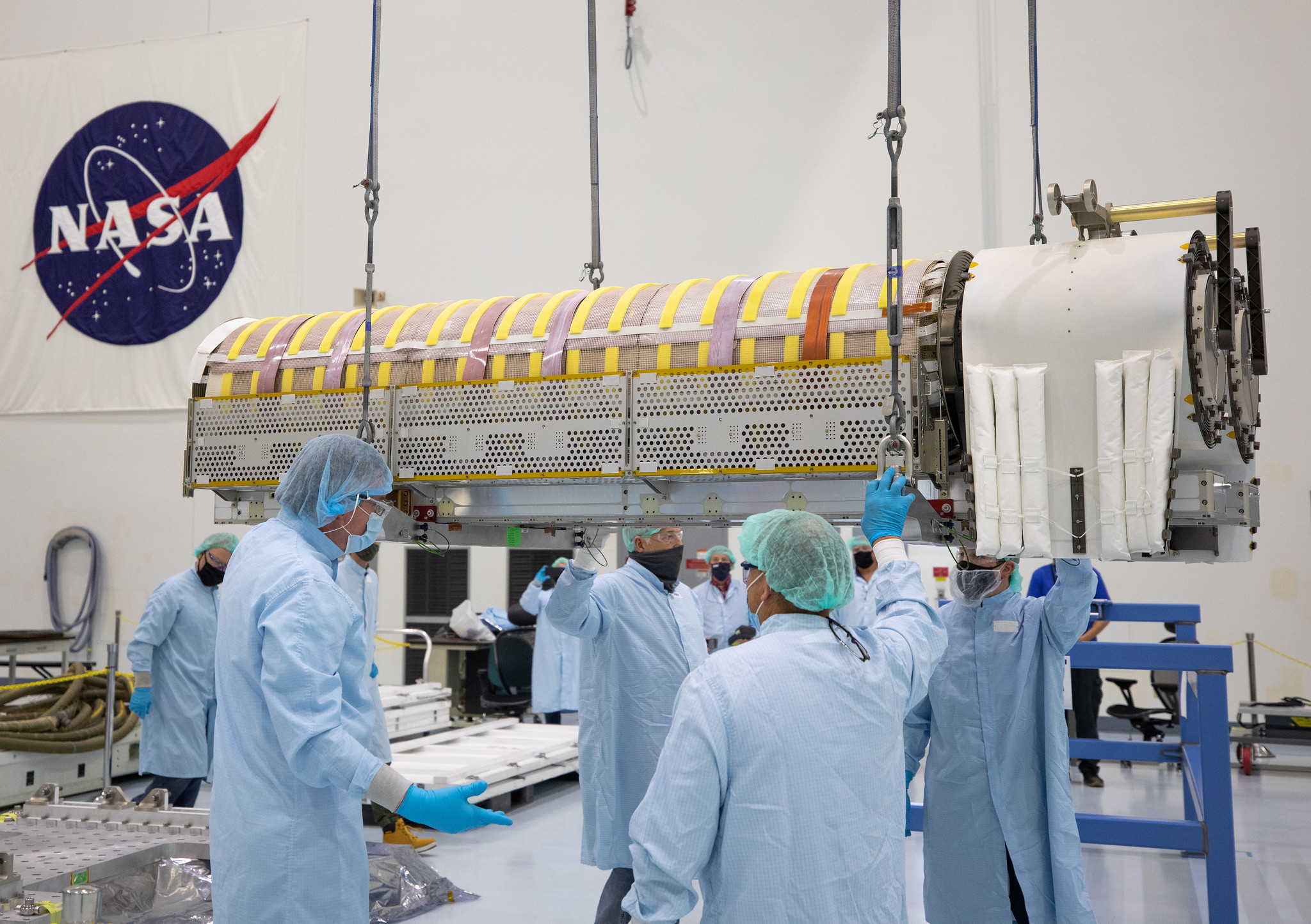
NASA's Kennedy Space Center (KSC) is renowned for more than just its iconic rockets launching from launch pads. Behind the scenes, KSC offers a broad range of critical support services and testing capabilities that ensure successful missions. These services encompass everything from designing and constructing prototype hardware and ground system components, to thoroughly testing and certifying flight hardware.
KSC's teams of experts have access to state-of-the-art instruments and equipment in multidisciplinary laboratories and facilities. Here, scientists, engineers, and technicians collaborate to innovate technologies that enhance spacecraft processing, reduce costs, and advance America's exploration objectives.
Beyond its work with NASA programs, KSC's technical capabilities have wide-ranging applications, both within the aerospace and non-aerospace sectors. These resources are readily available to external customers, showcasing the center's versatility.
KSC provides a comprehensive suite of laboratories and test facilities to support its tenants, including research in various disciplines such as biology, chemistry, surface systems, physics, electrical and electronics systems, fluids, mechanical and structural engineering, information technology, and communications. This enables KSC to meet diverse operational needs while maintaining the highest standards of safety and health for all personnel involved in its operations.
Written by urgent.news from NASA Science's reporting — not their text. Machine-written — may contain errors; check the original before relying on it.