The forensic traces that can help catch poachers — July’s best science images
Nature, Published online: 31 July 2026; doi:10.1038/d41586-026-02274-1 The month’s sharpest science shots, selected by Nature’s photo team.
These striking images highlight the forensic evidence left behind by the illegal wildlife trade. Britta Jaschinski's photographs secured first prize in the 2026 Earth Photo Award. Jaschinski collaborated with border-force operations and wildlife crime units to record aspects of the poaching trade, which is valued at around US$23 billion annually.
In Greenland, researchers camped out near the Isunnguata Sermia glacier to study the carbon content in meltwater. Their analysis of ice and sediment samples indicates that bacteria under the ice consume organic matter, producing greenhouse gases that escape into the atmosphere when the ice melts. The Greenland Ice Sheet is melting at an increasingly rapid pace, exacerbating greenhouse-gas emissions.
During a 35-day deep-sea expedition in the Atlantic Ocean, scientists discovered two new hydrothermal vents in the Doldrums Fracture Zone, approximately 1,300 kilometers off Brazil's northeastern coast. They observed unique deep-sea creatures like the binocular fish and bigfin squid, and collected samples of vent chimneys for further laboratory examination. Aaron Micallef, a marine geologist on the expedition, remarked on the planet's ongoing dynamism and surprises.
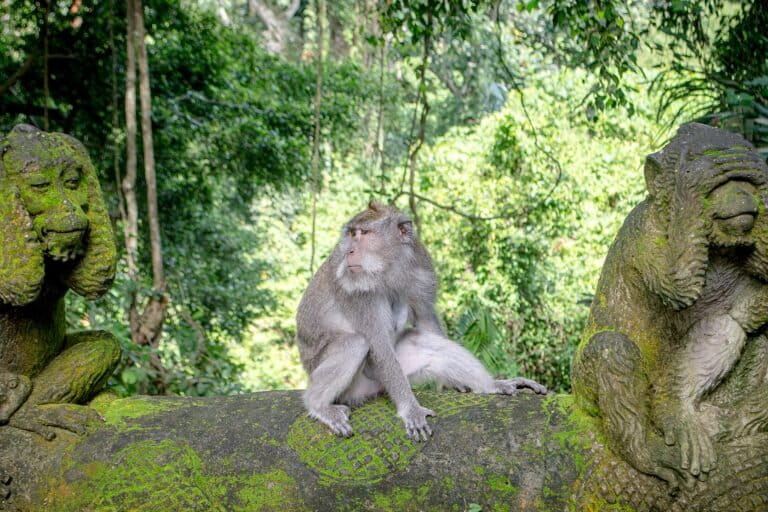
In the Democratic Republic of the Congo's forests, a new species of colobus monkey called "Likweli" or "kasaba nkoni" was identified by scientists. Locals have recognized the species for decades, but the monkeys are shy and elusive, inhabiting the canopy between the Lomami and Lilo rivers. The species' discovery came after initial sightings in 2008 and a second sighting in 2018, leading to a dedicated expedition. The findings were published in PLOS One.
A new technique enabling the growth of blood vessels into capillaries from artificial arteries lined with human endothelial cells has been published in the Proceedings of the National Academy of Sciences USA. By mechanically stretching the central vessel using magnets, researchers guided the sprouting vessels into a desired orientation. This method could potentially aid in manufacturing artificial networks of blood vessels.
On East Antarctica's Nunatak Zaterjavshijsja, radar instruments on the NISAR (NASA-ISRO Synthetic Aperture Radar) satellite captured an image resembling a hummingbird, depicting streams of ice flowing down the slopes. The radar waves penetrate snow and deep into ice, allowing researchers to observe properties of Antarctic ice unobservable through optical imagery. These data are publicly available to monitor Earth's land and ice masses and track changes in ecosystems such as forests and wetlands.
Residents of Queensland, Australia, were perplexed by six mysterious metal balls found on Forrest Beach. The Queensland Fire department advised people to stay 50 meters away from the objects and contact emergency services if they observed them. The Australian Space Agency identified the objects as pressure vessels from a space launch vehicle, which were safely recovered by emergency responders.
Meanwhile, NASA launched a spacecraft to assist the Swift space observatory, which was expected to fall from the sky due to atmospheric drag. The mission aims to extend Swift's lifespan by five years and provide a model for saving the Hubble Space Telescope from a similar fate.
Written by urgent.news from Nature's reporting — not their text. Machine-written — may contain errors; check the original before relying on it.