Sri Lanka prepares for impending El Niño with traditional and new approaches
COLOMBO — Even though Sri Lankan authorities are preparing to face an impending El Niño phenomenon, Rathnayaka Mudiyanselage Suwandarathne feels that the country may not be impacted as forecasted. A second generation farmer from Thalangama in the Colombo District, Suwandarathne knows about weather and has been leading an agricultural revolution by promoting the cultivation of heirloom varieties…
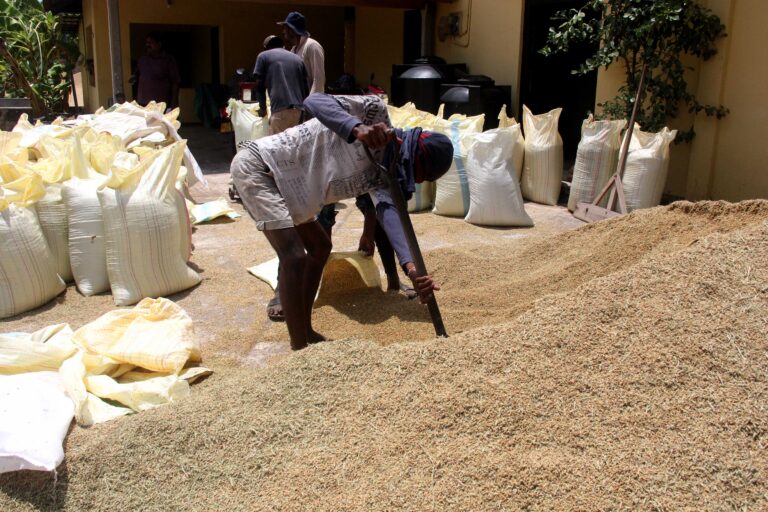
Sri Lanka is preparing for an incoming El Niño weather event, despite skepticism from some regarding the severity of the forecast. Second-generation farmer Rathnayaka Mudiyanselage Suwandarathne from Thalangama in the Colombo District remains confident that the country will not experience the predicted impacts. He notes that a dry season typically occurs between July and September, aligning with the Yala paddy harvesting season.
Suwandarathne explains that farmers conduct traditional ceremonies to pray for rain during this period. He also mentions that there is a drought season from December to March, corresponding with the Maha rice harvesting season. Every four to seven years, Sri Lanka experiences prolonged dry spells. However, the country has adapted its harvesting cycles.
The World Meteorological Organization (WMO) predicts an 80% chance of a rapid and strong El Niño event between July and September 2026. WMO Secretary-General Celeste Saulo warns that this could lead to droughts, heavy rainfall, heatwaves on land, and marine heatwaves worldwide. Ajith Wijemannage, head of the Meteorology Department in Sri Lanka, confirms that initial predictions indicated the conditions for a very strong El Niño would emerge between November 2026 and January 2027.
Written by urgent.news from Mongabay's reporting — not their text. Machine-written — may contain errors; check the original before relying on it.