Antarctic Interior Hits Minus 119.4 Degrees Fahrenheit, Earth's Lowest Recorded Temperature in More Than a Decade
The record-setting cold at the Concordia research station comes just weeks after another part of the southernmost continent experienced the opposite extreme, with winter temperatures climbing to unprecedented highs
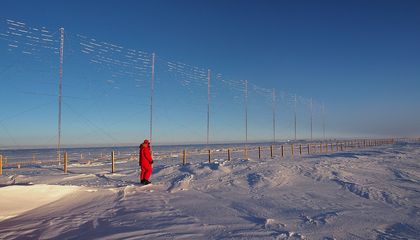
As summer intensifies in the Northern Hemisphere, Antarctica continues to endure the depths of winter. On July 18, the remote Concordia research station, situated in the Antarctic interior, recorded an astonishingly low temperature of minus 119.4 degrees Fahrenheit. Concordia, operated by Italy's National Antarctic Research Program and France's Polar Institute Paul-Émile Victor, stands atop an ice cap 10,800 feet thick on the Antarctic Plateau, more than 600 miles from the nearest shore.
This temperature marks the coldest on Earth since 2012. However, this is not an anomaly for Antarctica, where temperatures have historically plummeted to sub-freezing levels. Despite the station's workers routinely facing bone-chilling conditions down to minus 112 degrees, these latest readings are described as "remarkable" by station leader Gabriele Carugati.
He emphasizes that Antarctic weather remains highly variable. Beyond the immediate impact on Concordia's operations, these extreme temperatures reflect the broader shifts in global climate. According to Carugati, while climate change denotes long-term global trends, individual weather events can still result in exceptional cold.
In fact, Antarctica is subject to complex atmospheric processes, meaning an extreme low temperature at one location does not invalidate the broader trend of global warming. The previous lowest temperature on Earth was recorded at Russia's Vostok weather station in East Antarctica, which plummeted to minus 128.6 degrees on July 21, 1983.
However, Concordia's record-breaking cold occurred just weeks after another Antarctic site, Argentina's Esperanza base on the Trinity Peninsula, experienced record-breaking warmth with winter temperatures soaring to 59.7 degrees on June 6. This especially unusual reading occurred amidst a prolonged heatwave, with temperatures exceeding freezing for three consecutive weeks, a deviation of 36 degrees Fahrenheit above the seasonal norm.
Scientists are alarmed by these disparate extremes, which come amid rising global temperatures driven by human activities. Johan Rockström, director of the Potsdam Institute for Climate Impact Research, warns that 2026 marks just the beginning, with conditions set to worsen further, eventually surpassing the limits of human adaptation.
Written by urgent.news from Smithsonian's reporting — not their text. Machine-written — may contain errors; check the original before relying on it.