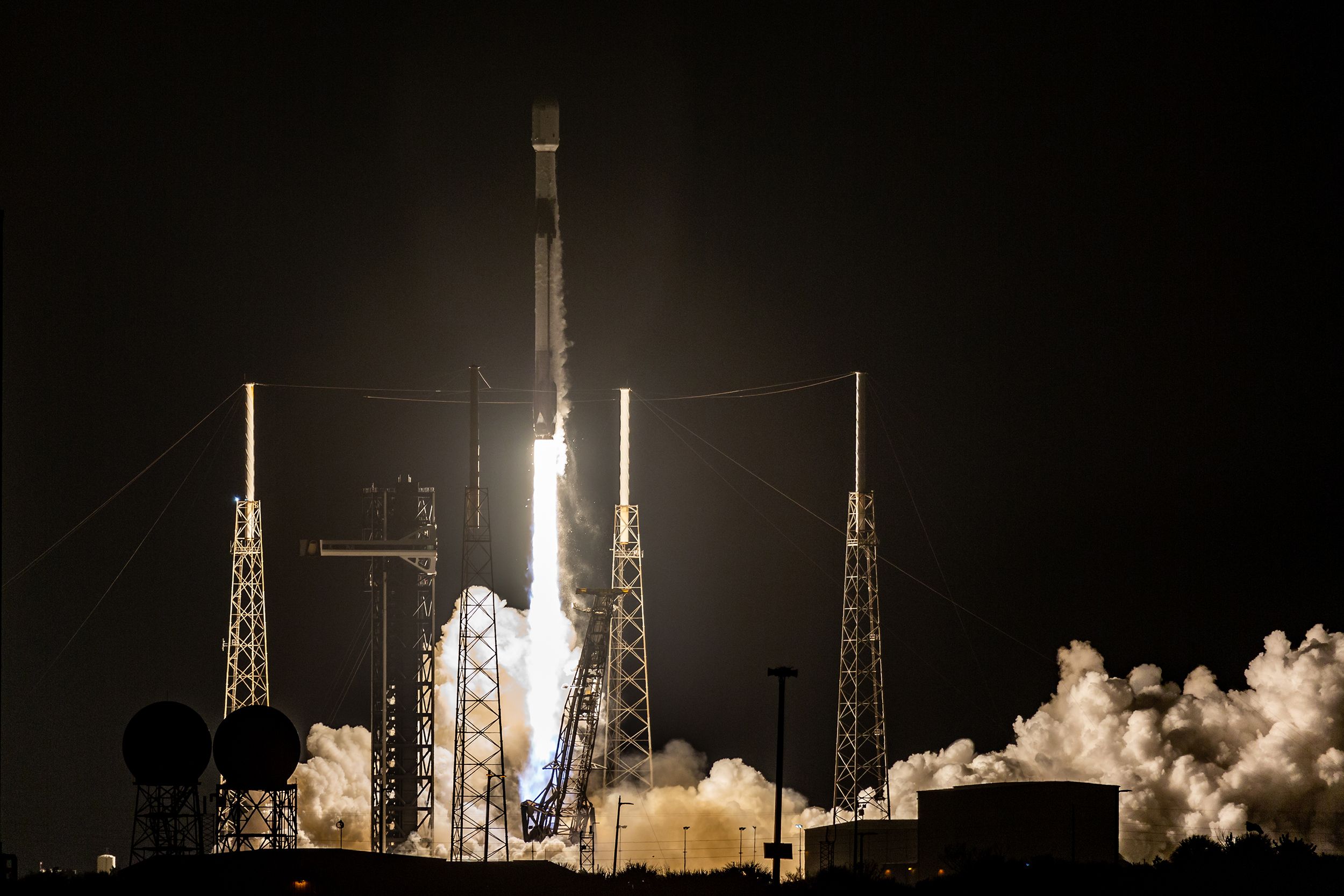
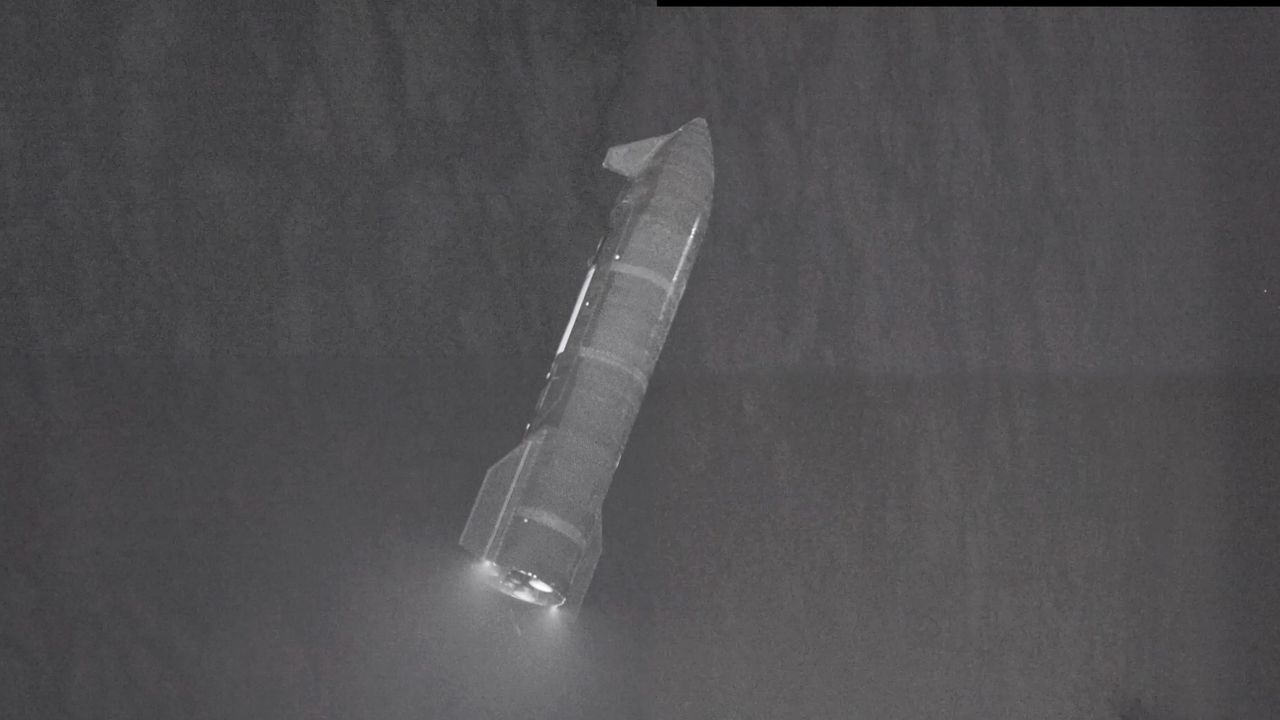
Interstellar Travel: The Space Age and Nuclear Rockets
Given the state of our technology, it would take a spacecraft a ridiculously long time to reach even the nearest star in our galaxy. However, scientists continue to ponder ways in which we could achieve the dream of interstellar spaceflight. Here are a few of their best ideas.
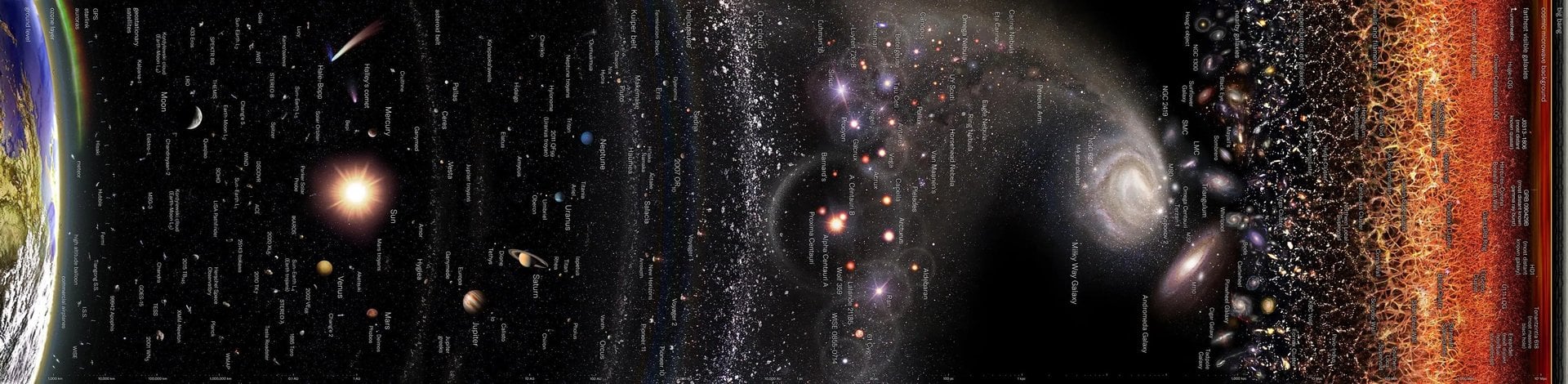
Interstellar travel remains a formidable challenge, given the vastness of the Universe and the limitations imposed by Einstein's Theory of Relativity. Even the closest star to our own, Proxima b, a rocky planet orbiting an M-type red dwarf star within the habitable zone of its sun, lies a staggering 4.25 light-years away. The prospect of interstellar flight has long captivated the minds of scientists and researchers, leading to a plethora of proposed propulsion systems over the years.
These systems can be broadly categorized into two groups: Nuclear Thermal Propulsion (NTP) and Nuclear-Electric Propulsion (NEP).
NTP engines work by heating propellant, typically liquid hydrogen, in a fission reactor. This causes the propellant to expand and form plasma, which is then funneled through nozzles to generate thrust. NTP engines boast a strong initial burst of acceleration, reaching specific-impulse (Isp) values of 830 to 1,000 seconds and exhaust velocities of 8,000 to 9,000 m/s. This results in a substantial force of 25,000 to 33,000 lbf, making them highly efficient for rapid acceleration.
NEP engines, on the other hand, employ a fission reactor to generate electricity for a separate Hall Effect thruster. This generates a magnetic field to ionize a propellant, such as xenon, which is then funneled through nozzles to produce less initial acceleration but more consistent thrust over time. NEP engines have Isp values ranging from 1,500 to 10,000 seconds, with exhaust velocities of 14,710 to 9,807 m/s.
This translates to a much longer thrust duration of 15,000 to 25,000 lbf, allowing for sustained propulsion over extended periods.
Written by urgent.news from Universe Today's reporting — not their text. Machine-written — may contain errors; check the original before relying on it.