Scientist's lifelong obsession with mystery of elusive 'pink zebra' seaweed
An ancient algae first spotted four decades ago will now join the collection of the Natural History Museum.
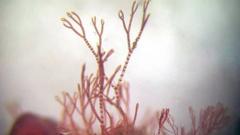
Maerl beds, carpets of coral-like seaweed, exist in UK waters but are lesser-known than the Great Barrier Reef. In the 1980s, Prof Christine Maggs discovered a fragment of pink-striped seaweed, later suspected to be a new species, on maerl during her PhD research. This seaweed would become her lifelong obsession, as no one else had identified it before.
After her PhD, Maggs continued searching for more material to confirm its identity but never found enough. In 2021, researchers in Cornwall discovered a sample of the seaweed while mapping and analyzing seaweeds to assess the health of Cornish maerl beds. Maggs finally confirmed it as a new species with DNA sequencing and shared her findings with the BBC, adding the sample to the Natural History Museum's collection.
Maerl beds are rare and threatened habitats, supporting diverse marine life and providing food and shelter for various species. The discovery highlights the importance of preserving these unique ecosystems.
Written by urgent.news from BBC Science's reporting — not their text. Machine-written — may contain errors; check the original before relying on it.