Author Correction: Cucurbituril-based anion-conducting membranes with supramolecular nanopores
Nature, Published online: 31 July 2026; doi:10.1038/s41586-026-10921-w Author Correction: Cucurbituril-based anion-conducting membranes with supramolecular nanopores
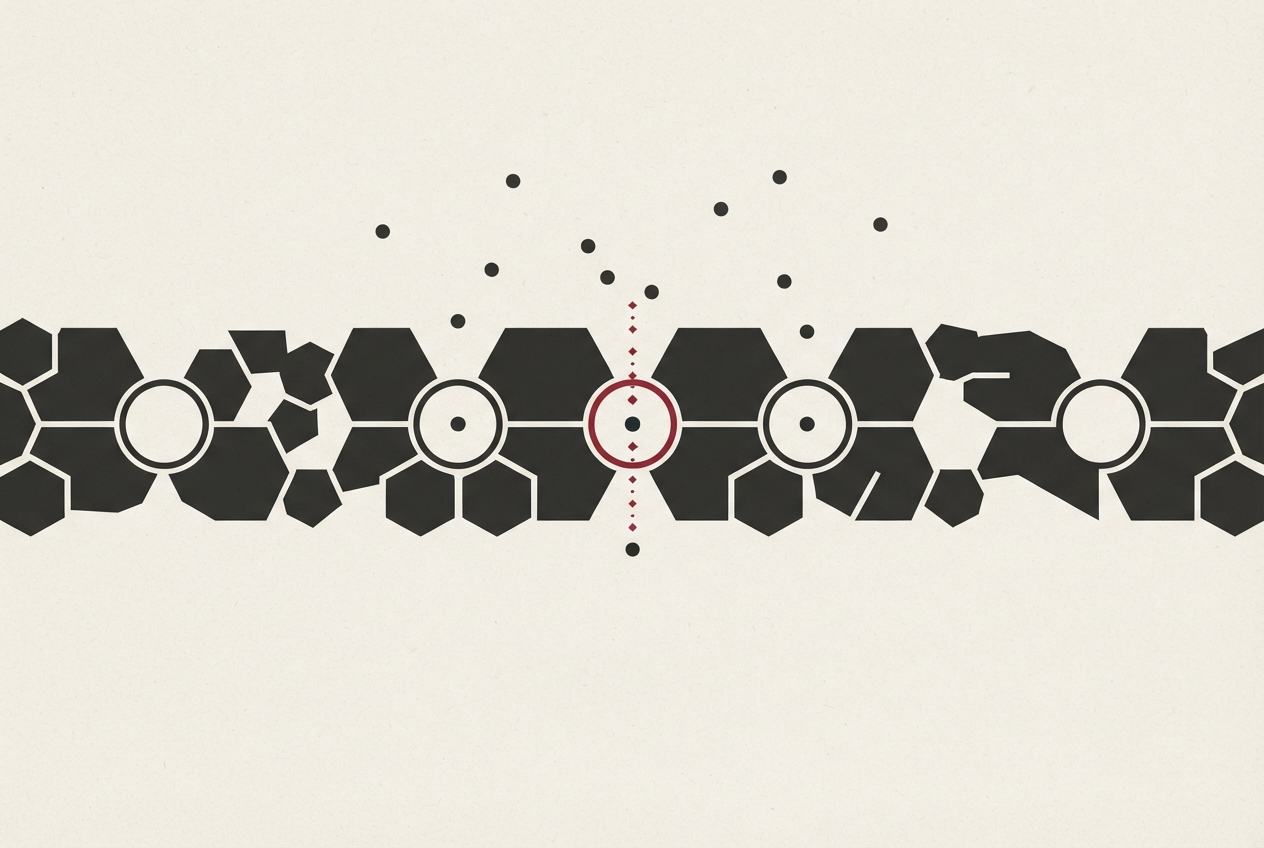
The Nature article "Cucurbituril-based anion-conducting membranes with supramolecular nanopores" has been amended due to errors in figure preparation. The plots in Figure 4b and Supplementary Figures 49a–c,f were originally assembled from incorrect source files. In the corrected version, the x-axis unit label in Extended Data Figure 4b now properly reads “s” instead of the original "h".
Additionally, an extra control sample (blue data points) that was mentioned in the original article has been removed for better clarity. The last paragraph of the Methods section, which described the "Well-tempered metadynamics" calculation, now states that the cell used was an orthorhombic cell measuring 46.5 × 30 × 60 Å, replacing the original description of a cubic cell of 5 × 46 × 26 Å.
For reference, the original figures can be found in the Supplementary Information accompanying this correction. The updated figures and text are now available in the HTML and PDF versions of the amended article. The authors involved in this correction are listed as follows: Ziang Xu, Dongcheng Lin, Haoyu Yin, Qingqing Feng, Yihan Zhen, Maobin Pang, Jing Liu, Xiaonan Wang, Baoguo Wang, and Kai Liu from various institutions in China and France, along with collaborators from University College London and Rice University in the USA. Correspondence regarding the correction can be directed to Baoguo Wang, Haotian Wang, or Kai Liu.
Written by urgent.news from Nature's reporting — not their text. Machine-written — may contain errors; check the original before relying on it.