NASA adopting Apollo’s urgency to build a moon base and land astronauts within two years
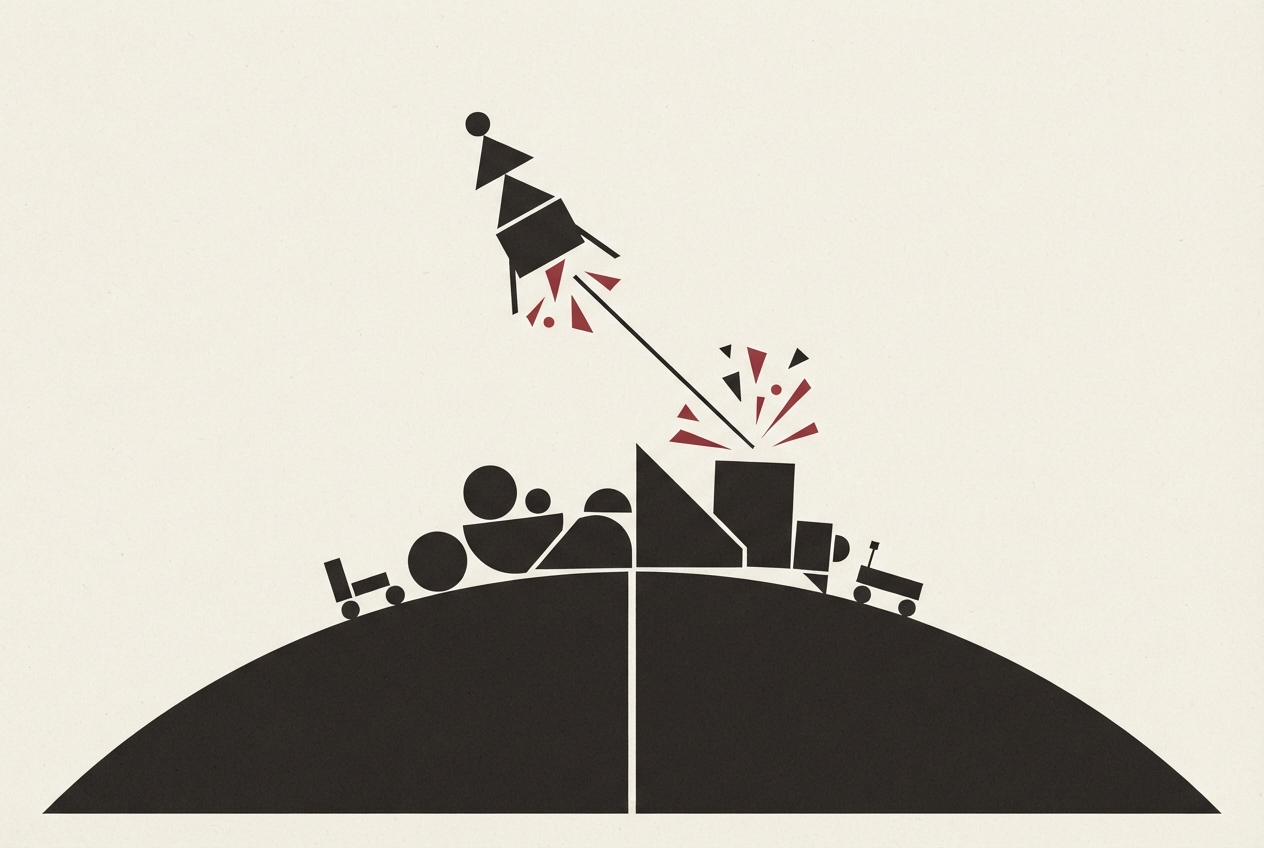
CAPE CANAVERAL, Fla. (AP) — NASA is moving fast on its plans to build a moon base and return astronauts to the lunar surface in as little as two years.
What's breaking now, across hundreds of outlets.
Friday, 23 October 2026
12 stories · 12 sources
No grouped briefing was written for this day. These are its stories, most widely covered first.
CAPE CANAVERAL, Fla. (AP) — NASA is moving fast on its plans to build a moon base and return astronauts to the lunar surface in as little as two years.
Tesla recently demonstrated its Rocket Roadster "flying car." We asked our readers whether they think flying cars will be widely available in the near future.
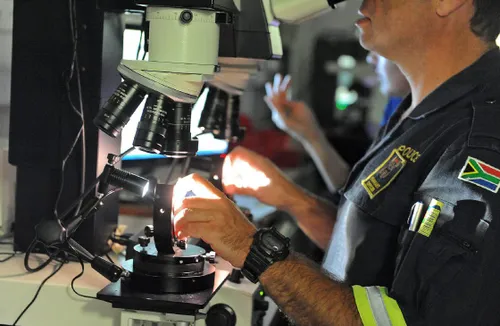
South Africa's R186 million forensic funding faces scrutiny as experts warn that procurement failures and a severe DNA backlog continue to delay rape and murder investigations, leaving victims waiting for justice.
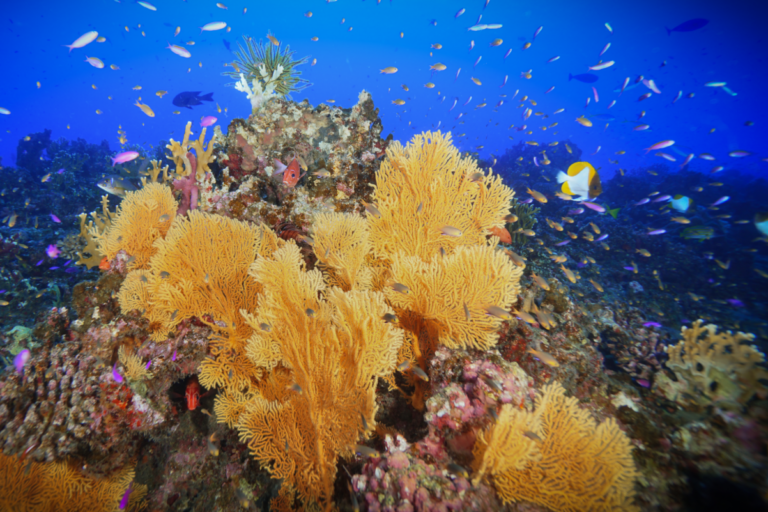
Nearly every shallow-water coral reef ecosystem on Earth is at high risk of ecological collapse by 2075, according to the first coral reef assessment of the IUCN Red List of Ecosystems (RLE). The RLE is a scientific framework for assessing the risk of ecosystem collapse.
The shadow population of deceased relatives is more than three times as large as today’s living population.
Private companies are getting better at launching more mass into space with larger rockets. But there is still a major constraint on the size of objects we can get into orbit—fairing size. This places physical constraints on the overall shape of what we can launch and severely limits the sizes of, say, a communications array or a power…
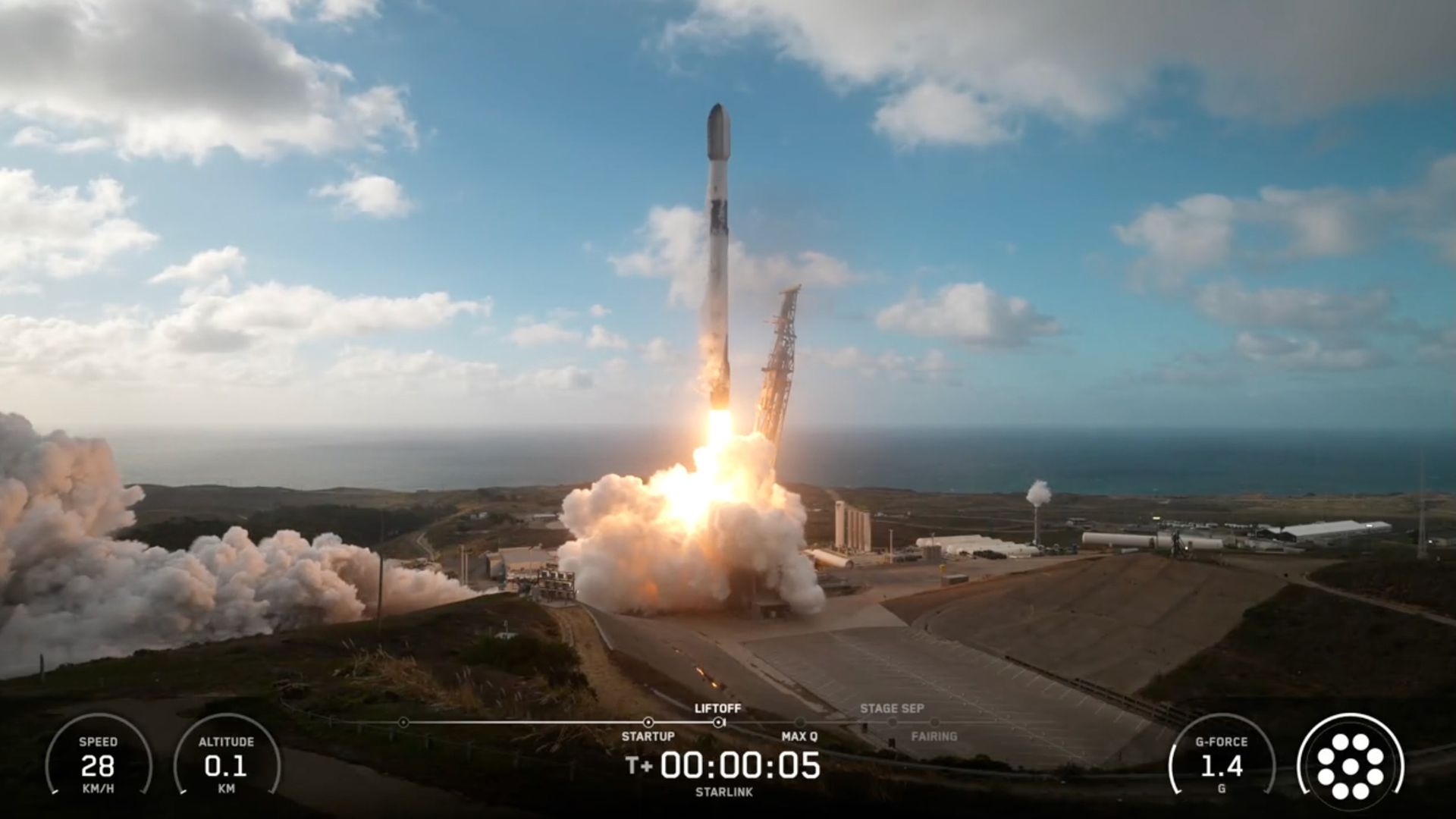
SpaceX sent 27 more of its Starlink broadband satellites to orbit today (Oct. 23), in its first Starlink launch in 11 days.
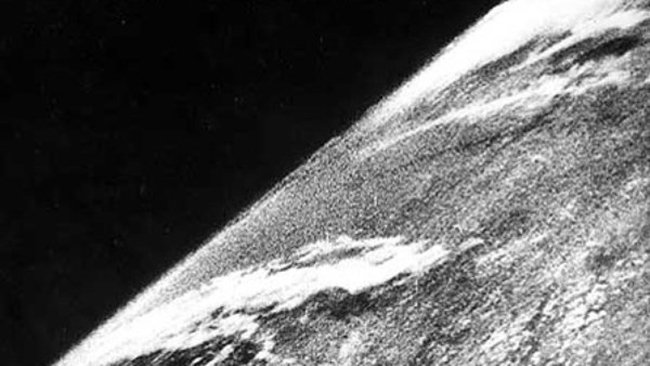
On October 24, 1946 — 80 years ago — a movie camera on board a V-2 rocket captured the 1st-ever photo of Earth from space.
Systemic Lupus Erythematosus (SLE) is a complex autoimmune disease with a strong genetic component and highly variable clinical features.
Solar is driving Africa's energy revolution, but the continent needs to find other sources of power supply. Ben Payton looks at four options.
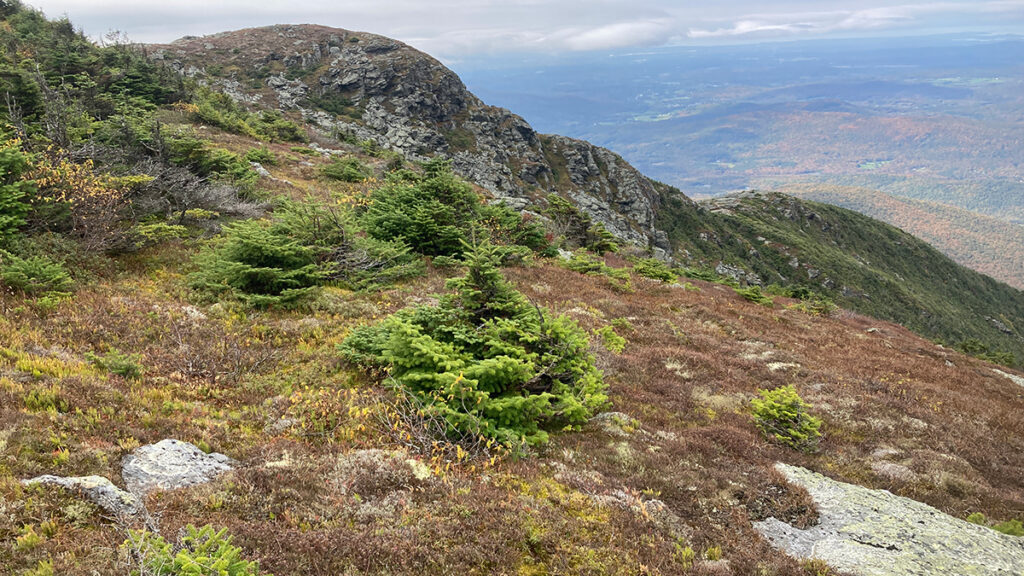
Using satellite data, scientists have detected where once-stable alpine ecosystems are transforming into greener, shrubbier places.