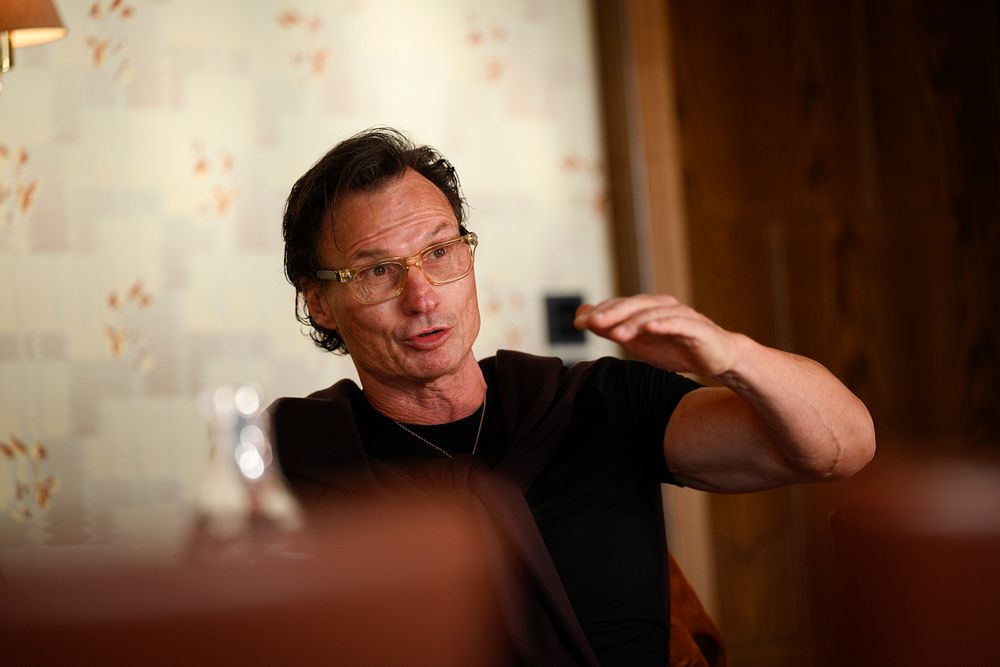
Stordalen tror AI vil føre til investeringer for «hundrevis av millioner»
Hotellkongen tror det vil gå betydelige midler til å investere i AI i selskapene hans de neste årene.
What's breaking now, across hundreds of outlets.
Hotellkongen tror det vil gå betydelige midler til å investere i AI i selskapene hans de neste årene.
Apple has updated the App Review Guidelines once more, in a crackdown on apps creating non-consensual adult imagery that are sold using bait-and-switch tactics to pass the review process.
Google has opened its artificial intelligence (AI) watermark detection platform to the public globally, giving journalists, fact-checkers and other users
Most of my code reviews used to happen in a browser tab I'd squeeze in between meetings. Lately a lot of teams hand that job to a bot, and the bot leaves a pile of comments that mostly get resolved…
Christian Schaller, a Red Hat engineering director and longtime GNOME and Fedora contributor, had a box of old family negatives The post His scanner wouldn’t work on Linux — so he let Claude study the…
Junk bond buyers are increasingly freezing out tech startups looking for financing, as CoreWeave Inc.’s pain raises bigger questions about how artificial intelligence companies will fund themselves.
Freshly proclaimed head of the PSOE list for 29N, the President of the Government, Pedro Sánchez, has called on the Socialists to mobilize in the face of the upcoming general elections at an unusual…
Learn everything you need to know about Github Copilot via these 170 free HackerNoon blog posts.
10/17/2026: Trending stories on Hackernoon today!
Taiwan will acquire an AI-powered satellite imagery system capable of rapidly identifying People’s Liberation Army ships, aircraft and missile launchers, as it seeks to boost early-warning…
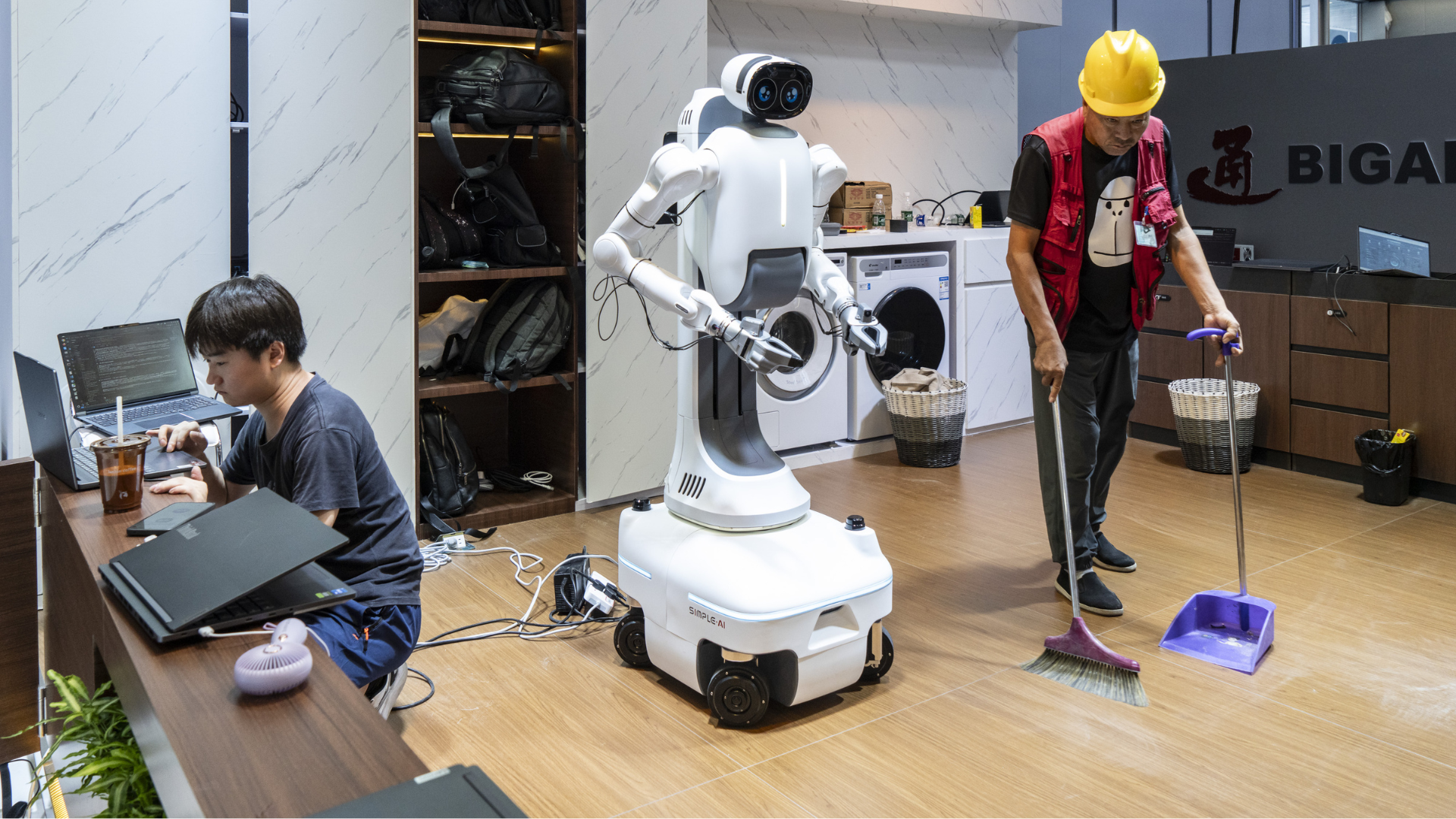
Anthropic's robotics research puts more hands-on jobs in AI's path. But messy tasks such as gardening remain hard to automate.
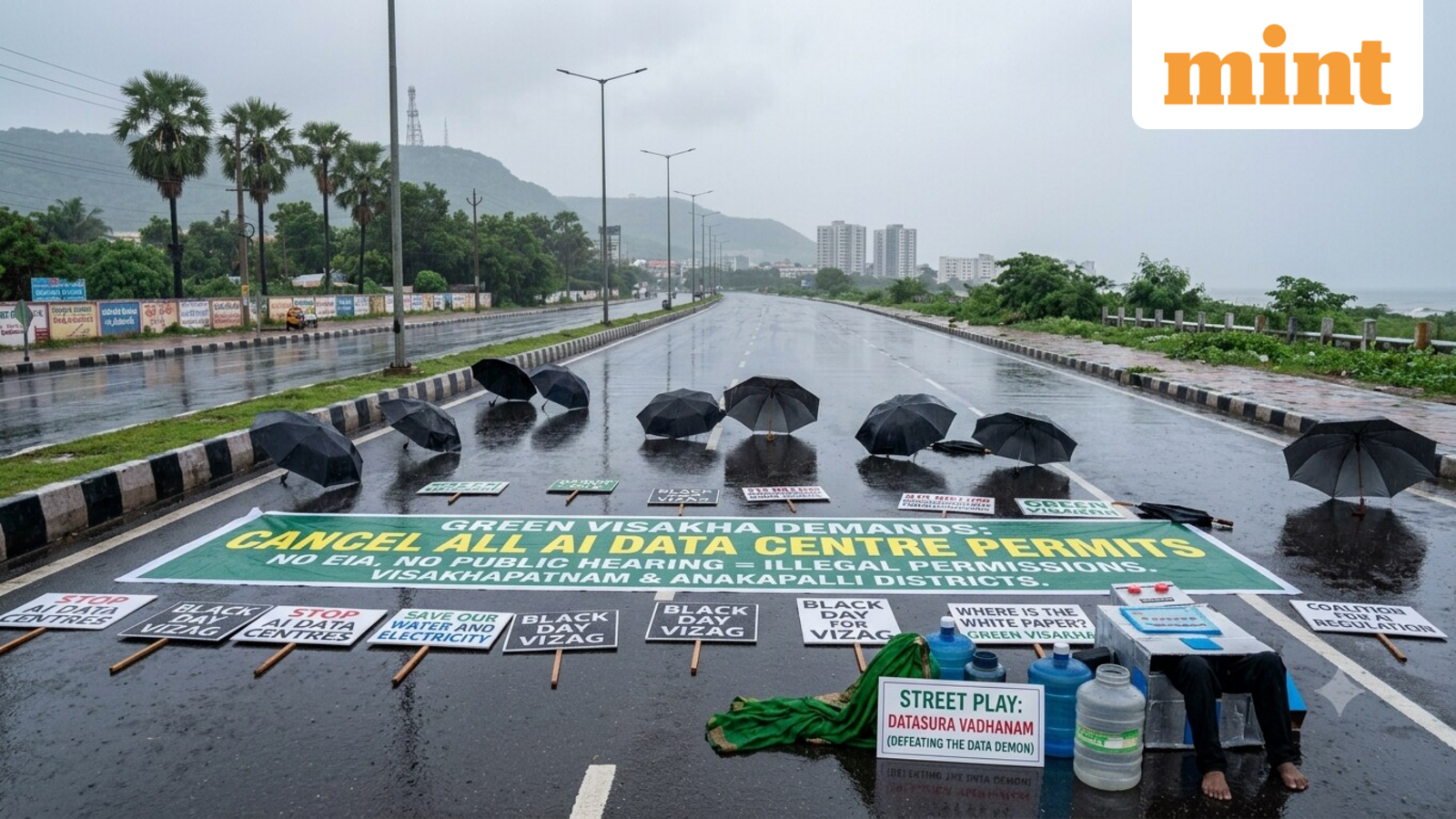
The demand comes amid growing attention to the environmental and resource requirements of large data centres, which need substantial electricity and water to operate
The user wants a technical article draft in Indonesian? Wait—the title is English. The request is in Indonesian but the article title is English.
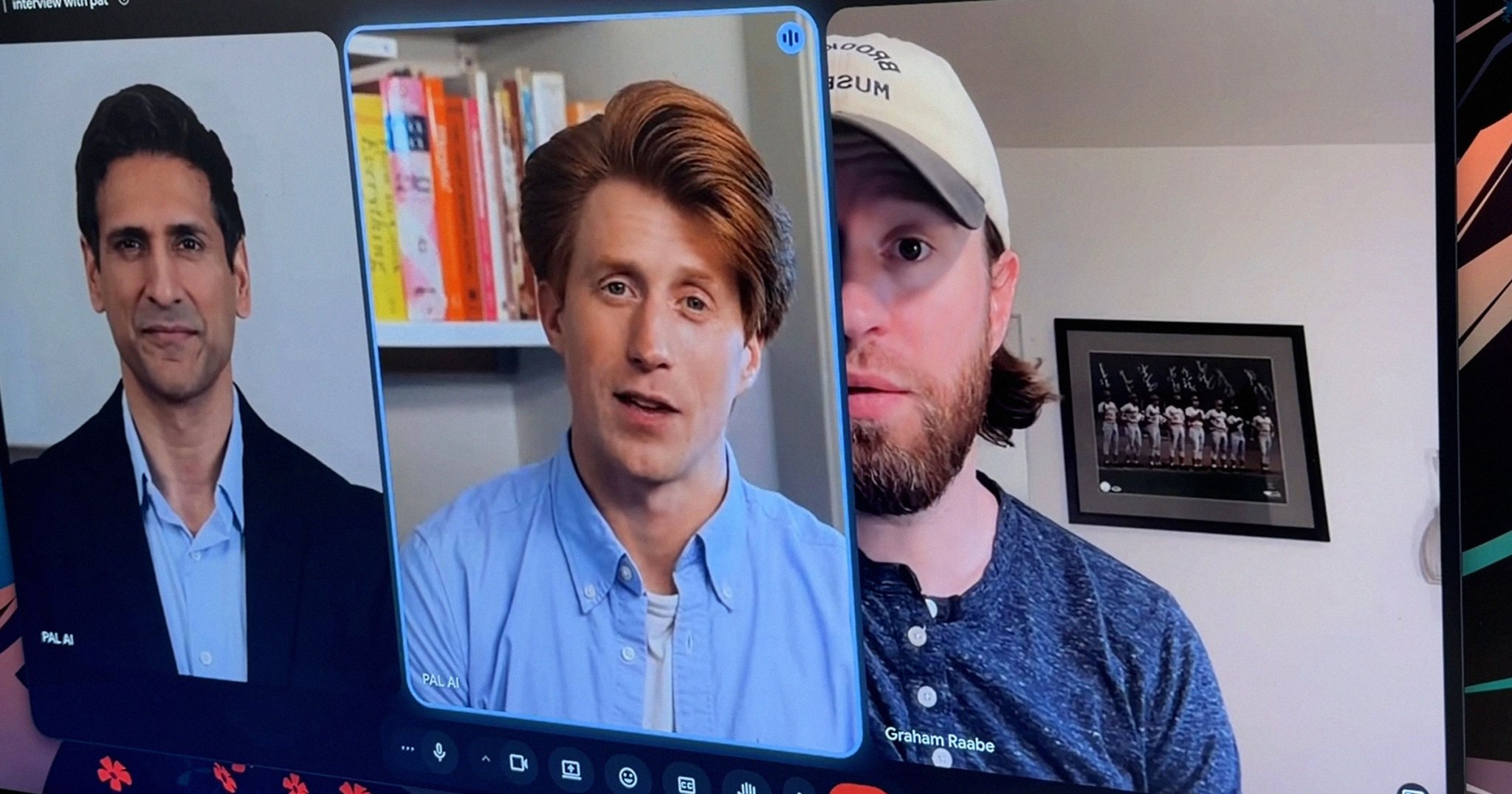
"Graham is an absolute powerhouse in the marketing world and I cannot wait to dive into why he is the perfect fit for your team." The post Man Shows Up to AI Job Interview With His Own Helicopter AI to Interview for Him appeared first on Futurism .
AI models undergoing testing broke into live systems belonging to Indian organisations and accessed confidential records without being detected, according … Read More The post Rogue AI Agents Broke Into Indian Companies Without Detection appeared first on ProPakistani .
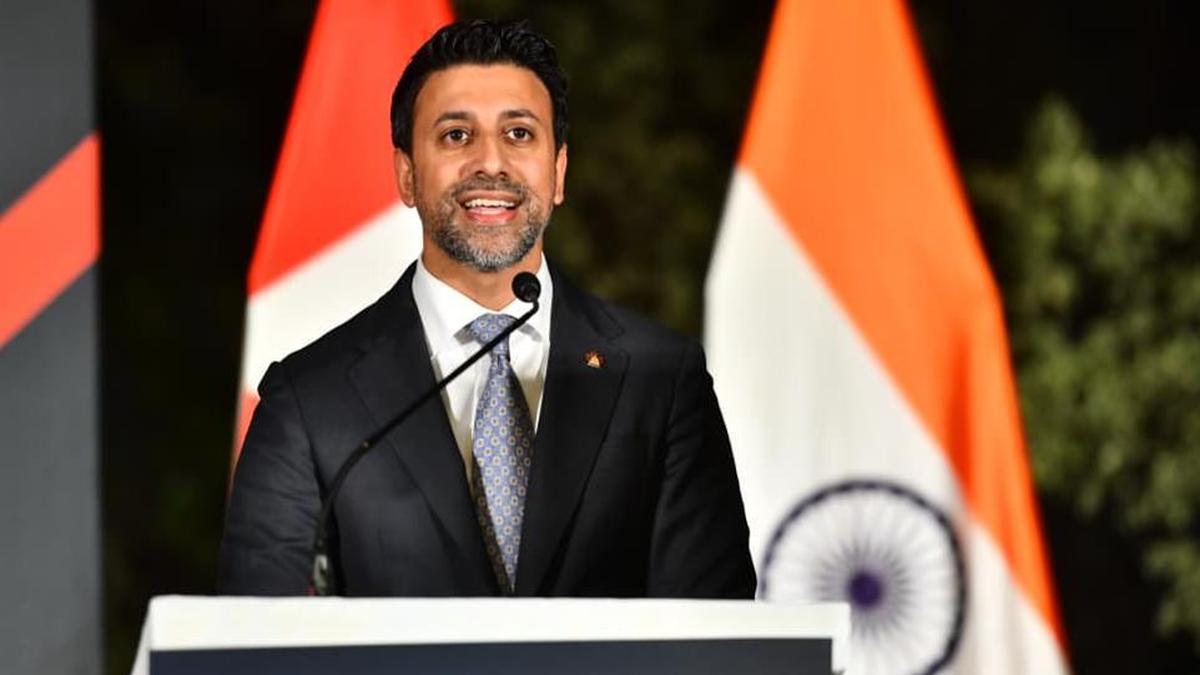
Mr. Sidhu, who was in the city as part of a high-level Canadian trade mission to India, said Canada and India had complementary economic strengths and were well positioned to build stronger partnerships at a time when global trade patterns were being reshaped.
Dario Amodei says constant communication and avoiding "corpo speak" keep Anthropic's 3,500 employees aligned as the AI race heats up.
HUMXN wants to pay for maintenance and repair services for homes in Minneapolis, Chicago, and Miami to gather data to train AI models and robots.
Originally published in Technical Logbook. Why connecting an LLM to undocumented infrastructure is not a new practice, but a 35-year-old discipline with a different hypothesis source.
AI companies charge by the token, and most people burn them on jobs a cheap model could do. Here's how to spend less and get better results, from your first prompt to your first agent.
A modern-day prospector promised rural Imperial thousands of jobs and millions in tax revenue – but his plan has set off a firestorm of resistance Sebastian Rucci zoomed in on a map in late 2024, looking closely at a large block of brown earth.
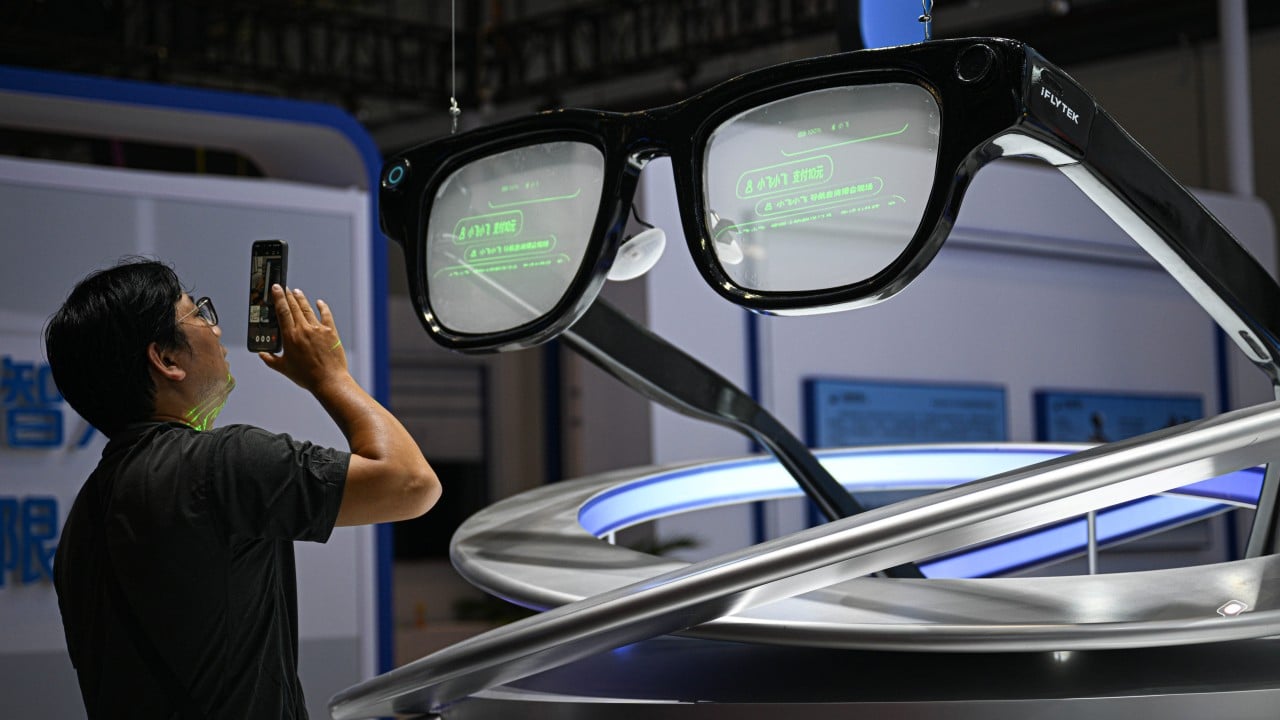
Artificial intelligence-powered glasses can act as tour guides, snap photos hands-free and translate foreign languages. The devices also sell at relatively affordable prices in China. But are they the perfect travel companion? Not yet.
Jio Platforms Limited (JPL) is already India's largest digital connectivity company. Brokerage research suggests its next phase of growth may be bigger still. Ahead of the ₹30,213 crore JPL IPO, which opens on October 21, IPO notes from GEPL Capital, Ventura Securities and SMC Global point to several growth engines: 2G-to-4G/5G upgrades…
Collaborative reverse-engineering site decomp.dev is shutting down its public index and stopping new project submissions after its administrator said recent … Read More The post AI Has Made Game Decompilation So Easy That a Community Is Shutting Down appeared first on ProPakistani .
Emma Okonji Google, yesterday, announced that its newest AI model, Gemini 4 Argon, was now open to the public globally across the Gemini app, Google Search, AI Studio, and Antigravity, alongside
The intimate cooperation between port management and unions was instrumental in trust-building, he says.
Google may remove access to its Pro AI models from Google AI Plus on November 13, 2026, according to a … Read More The post Google AI Plus to Be Severely Downgraded After November 13 appeared first on…
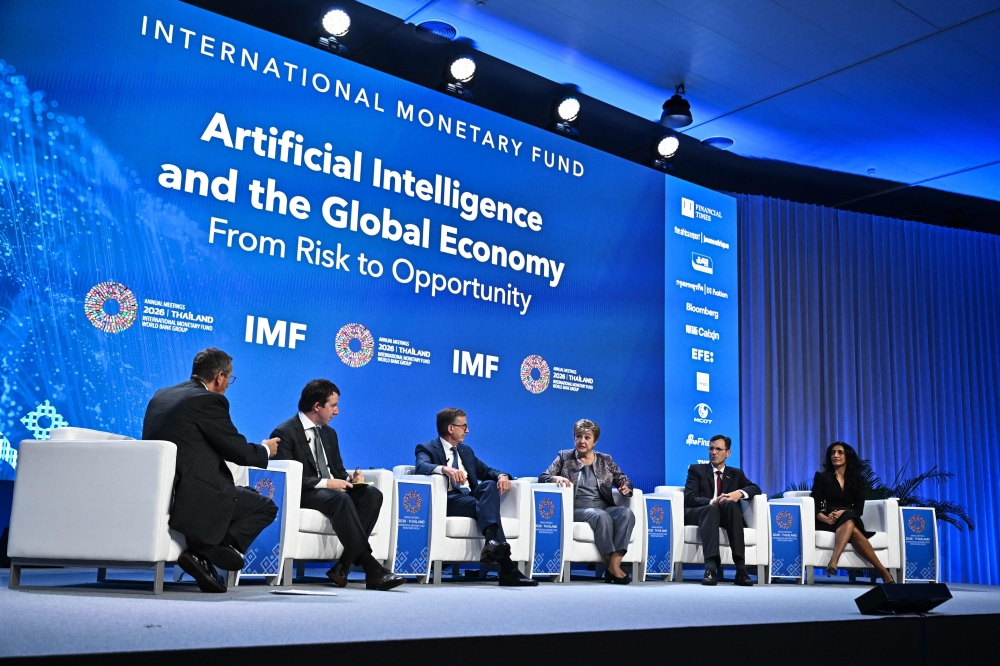
The IMF said AI, propelled by spending on data centres and microchips, has helped cushion the economic shock caused by the war in the Middle East.
Elon Musk tells biographer Walter Isaacson in a new podcast interview that the fizzled DOGE experiment, which the SpaceX and Tesla CEO once headed, proved there's "no way we were gonna solve the…
Part of Chris Painter’s job is to help figure out what happened when AI goes rogue, then publish the results in public reports.
Polis terima lima laporan membabitkan mangsa berusia 14 hingga 17 tahun.
Alliance Arts will instead host "closed sessions" for Drunken Goddess Reflux.
BANGKOK, Oct 17 — The artificial intelligence boom has been a key driver of global growth, but also poses economic...
BEIJING: A member of a Chinese AI-generated girl group has sparked online backlash after announcing she was pregnant.
China’s proposed export bans and controls of artificial intelligence technologies aim to tighten Beijing’s grip in the strategically vital sector, casting a cloud over the commercial prospects of…
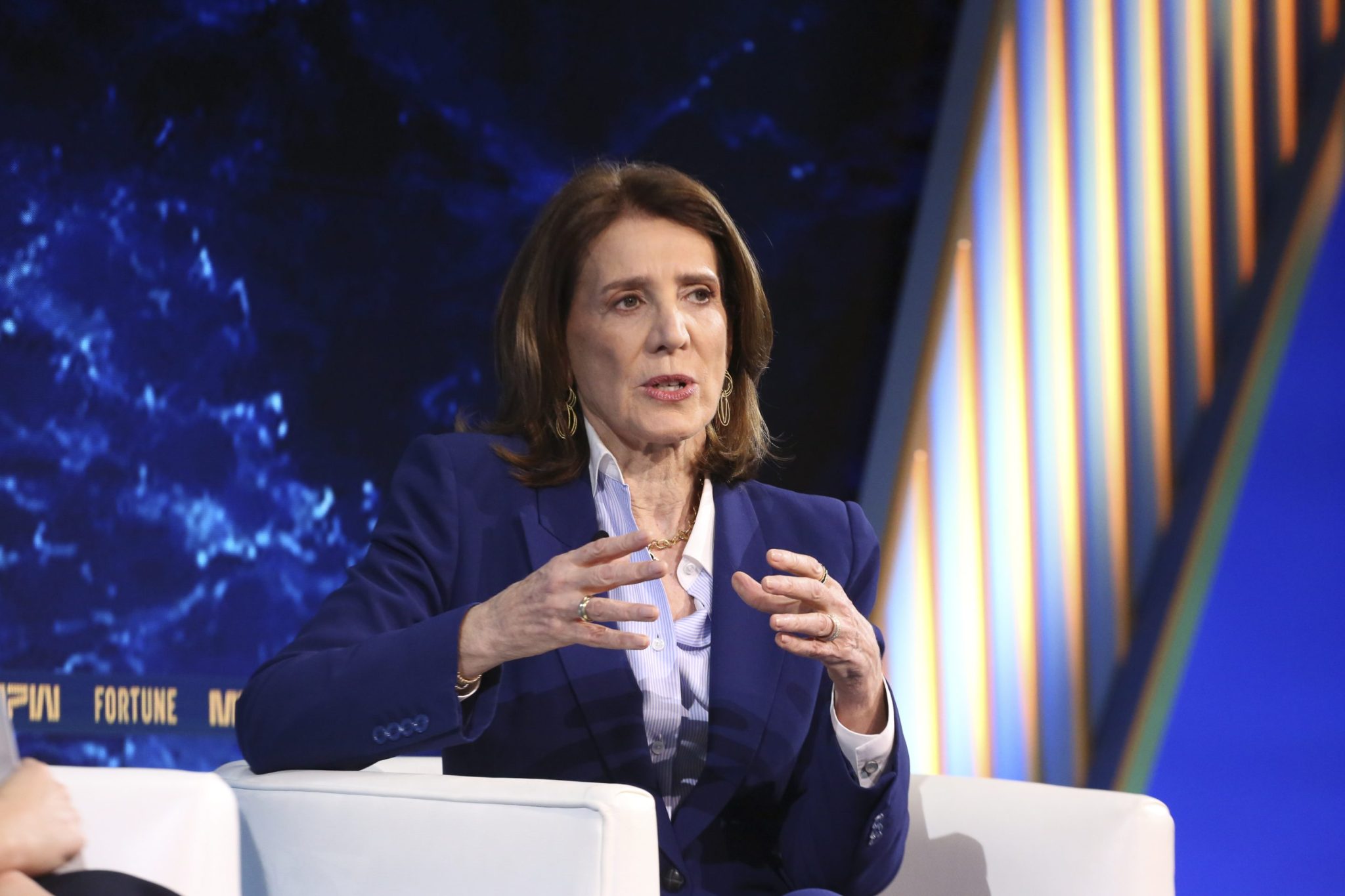
"It’s illogical to say we’re in a capacity-constrained position," Ruth Porat told Fortune's Editor-in-Chief Alyson Shontell.
A former OpenAI software engineer accused of secretly installing a recording device inside the company’s San Francisco offices has sought release from federal custody, rejecting prosecutors’…
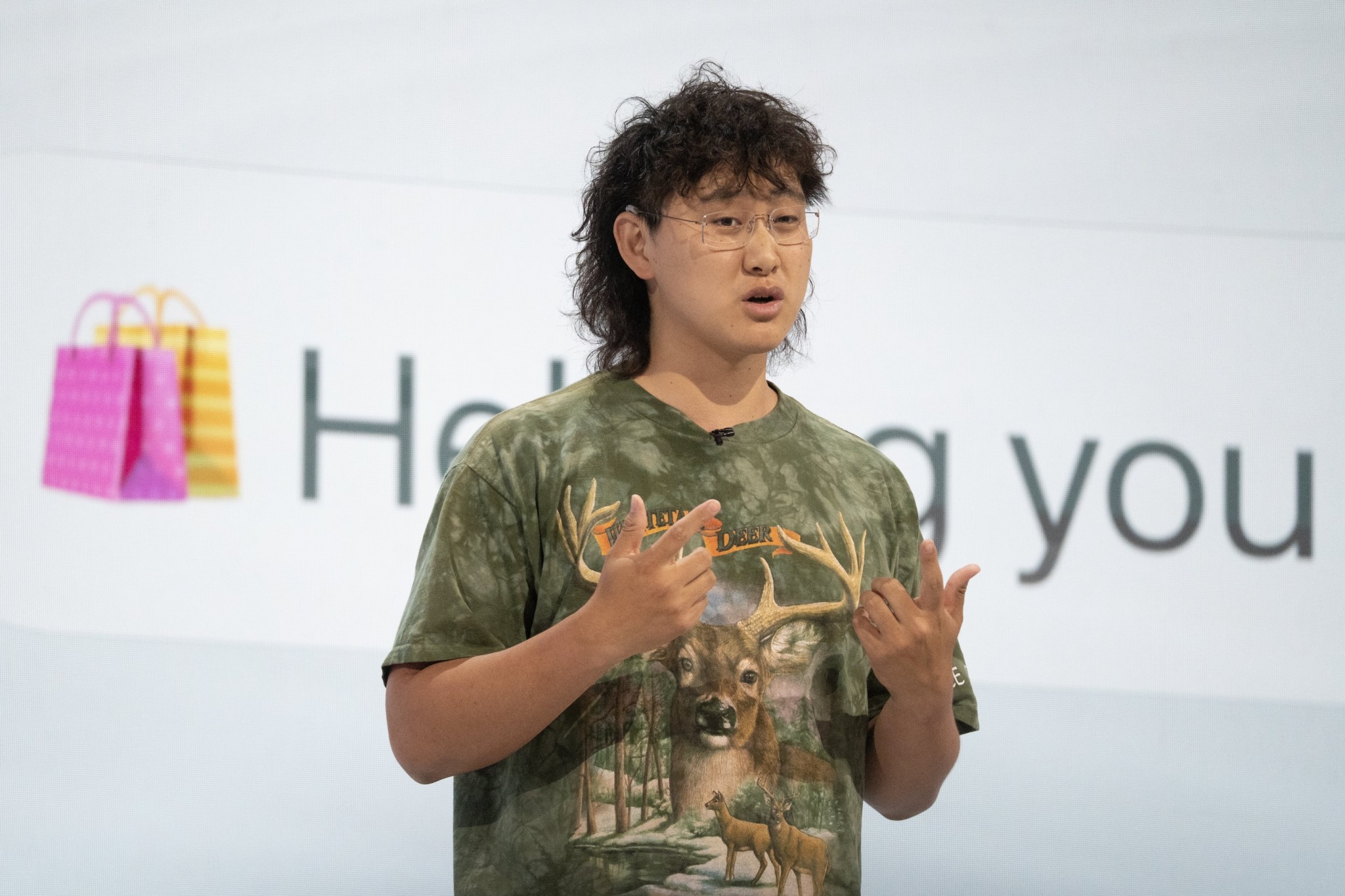
Meta’s CEO and his 29-year-old chief AI officer revealed on Stripe cofounder John Collison’s podcast how one phone call became Meta Superintelligence Labs, and why the company’s CFO warned that…
Anthropic says its Claude artificial intelligence model has reconstructed the origins of five cryptographic parameters supplied by the US National Security Agency, resolving a question that has…
Think of all the possibilities. The post Tesla Bros Using AI to Dream Up Improbable Scenarios Where the Flying Tesla Roadster Would Be Helpful appeared first on Futurism .
Red Bull is using an artificial intelligence system that recommends actions to the team during a grand prix. During an interview with CNBC, Red Bull head of technical and performance partnerships Jack Harington explained that the team built the tool with its title partner, Oracle.
The University of Lagos (UNILAG) and the University of Birmingham, United Kingdom, will commence two joint postgraduate programmes in artificial
Westminster appears to be waking up to warnings over AI safety, with concerns over its use by extremist groups and bad actors “I have this sense that, within a few months, AI is going to be all anyone…
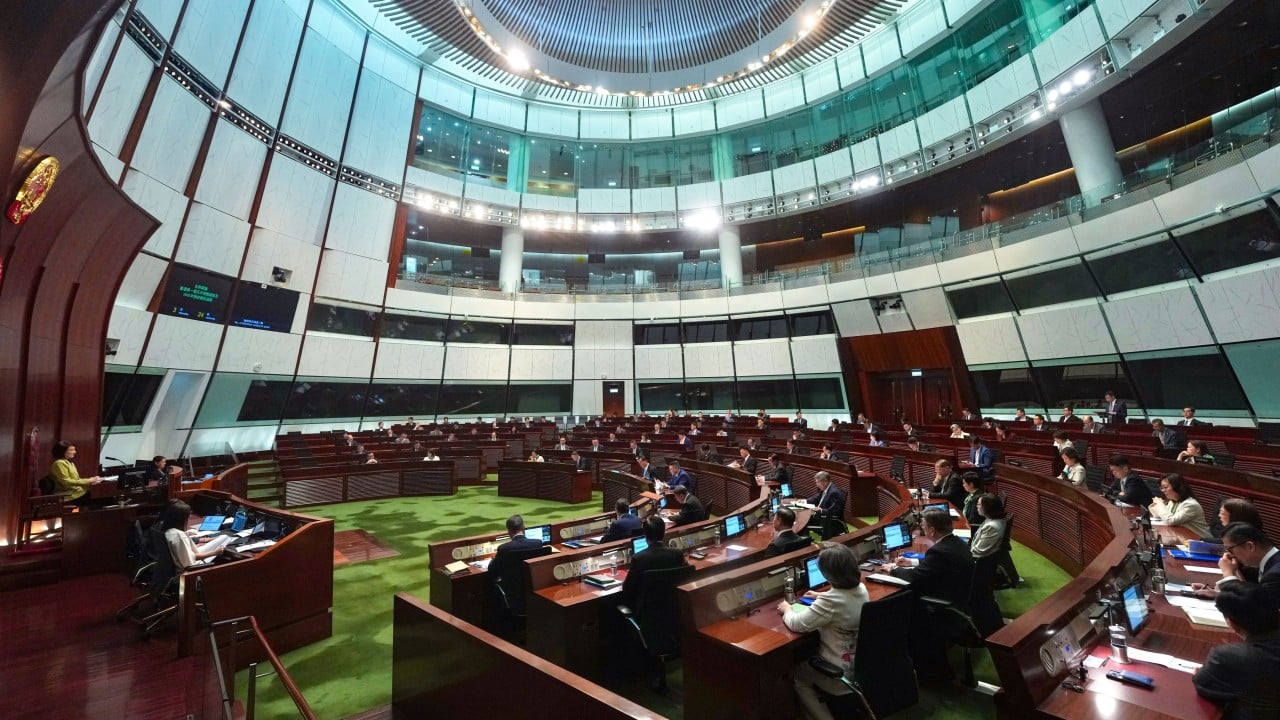
Hong Kong’s legislature has for the first time used artificial intelligence (AI) to analyse lawmakers’ remarks during a three-day debate on the city’s first five-year plan and the latest annual policy…
decomp.dev has closed its public index of game decompilation projects, saying AI-driven forks and ports broke the community.
Artificial intelligence company Anthropic has submitted a draft bill to US lawmakers proposing stricter safety regulations for advanced AI systems, including powers to prevent the deployment of models considered capable of causing catastrophic harm.
As the financial markets grapple with emerging pressures, substantial investments in artificial intelligence infrastructure are evident.
Pinterest trades at a 2.6x valuation discount to Reddit, but the latter's 69% revenue surge and 24% net margin reveal starkly different growth profiles.
According to Morgan Stanley's latest analysis, the burgeoning AI infrastructure market is on track to experience a dire electricity shortfall by 2028.
Asus ROG Xbox Ally X20 vs MSI Claw 8 EX AI+: We benchmarked gaming performance, OLED displays, and battery life to see which $1,200+ handheld wins.
It’s now possible to create AI chatbots of loved ones to interact with after their death. But that raises some difficult questions, like: If you do, how might the experience shape your grief?
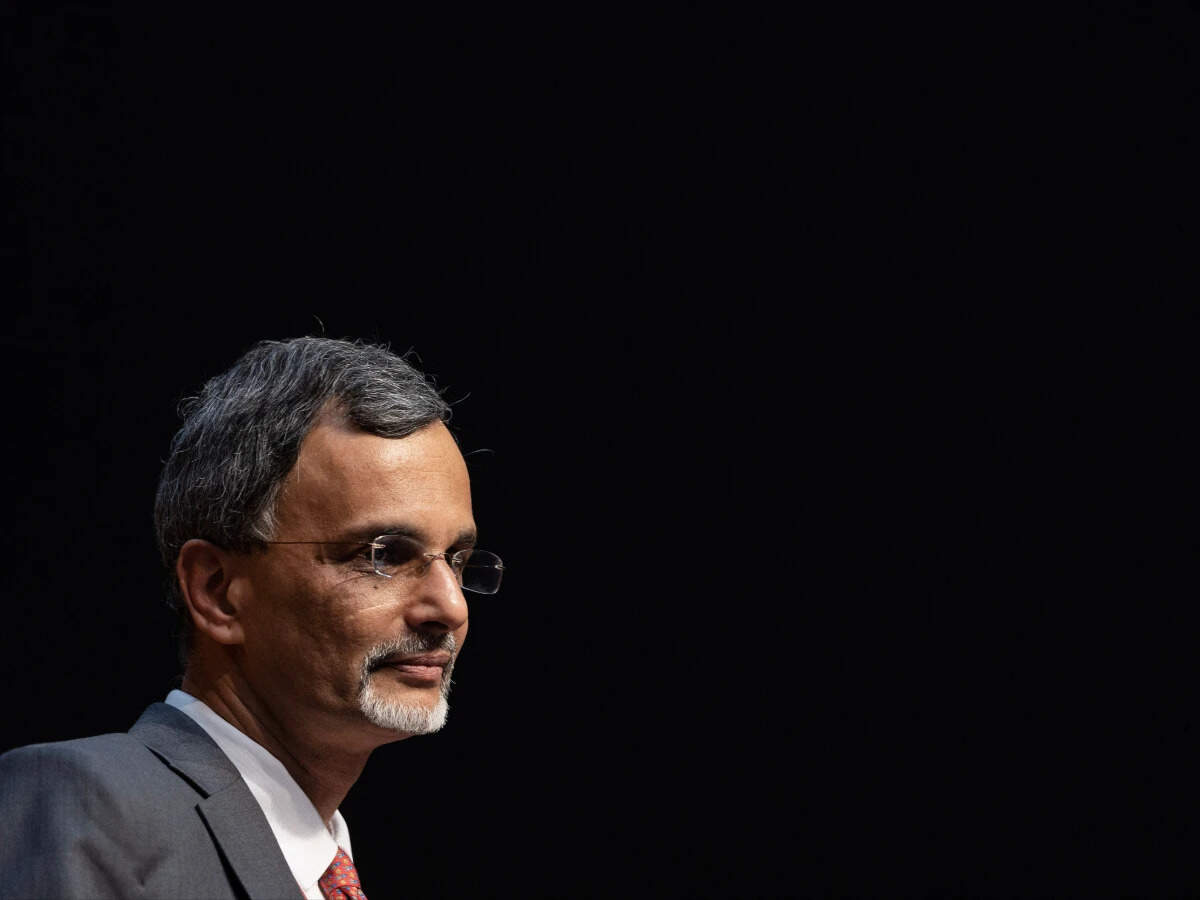
Chief Economic Adviser Anantha Nageswaran raised concerns over the financial risks linked to artificial intelligence. He stated that finance ministries, central banks, and households could face costs…
"Not good enough. It's over." The post Investors Disturbed by Anthropic’s Financial Data appeared first on Futurism .
Actress Neha Sharma has issued a warning on social media against the unauthorised use of her face and likeness in AI-generated videos and images. The actress warned that she would take legal action against those responsible if such content was not taken down.
" Every single company will be an AI company eventually. Every single industry will be impacted by AI," Jensen Huang says.
Artificial intelligence has moved quickly from a novelty on the job to a common workplace tool. Gallup found that 52% of U.S. employees and 68% of professional services workers were using AI by February 2026. Thomson Reuters similarly found in spring 2026 that 74% of professionals use AI several times a week for work.