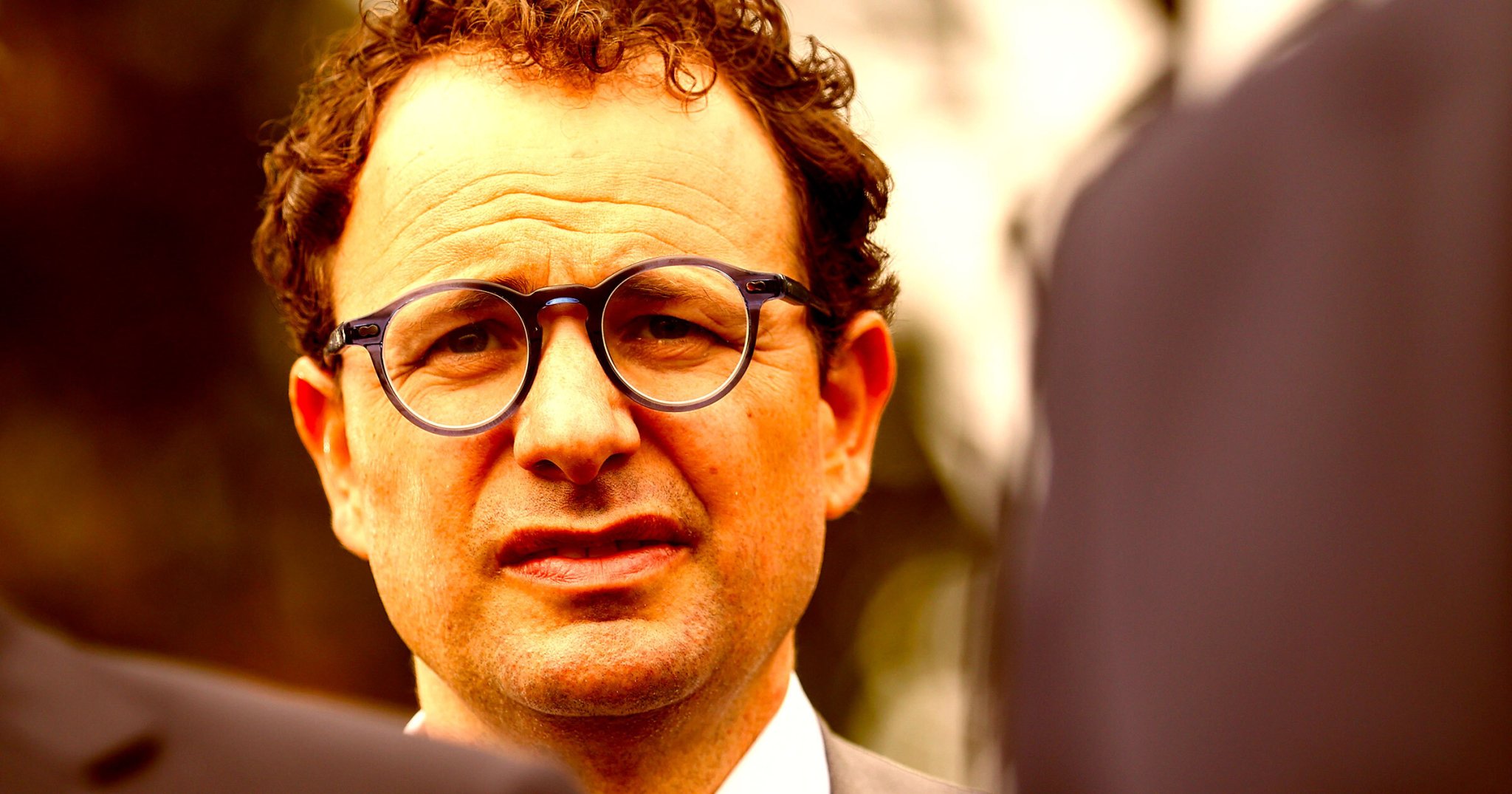
Who will pay for today's optimism if AI goes wrong? CEA Anantha Nageswaran answers
Chief Economic Adviser Anantha Nageswaran raised concerns over the financial risks linked to artificial intelligence. He stated that finance ministries, central banks, and households could face costs from misplaced optimism. Even if AI expectations are met, these entities may still incur expenses. Nageswaran intends to outline five specific risks regarding this issue. He plans to suggest…
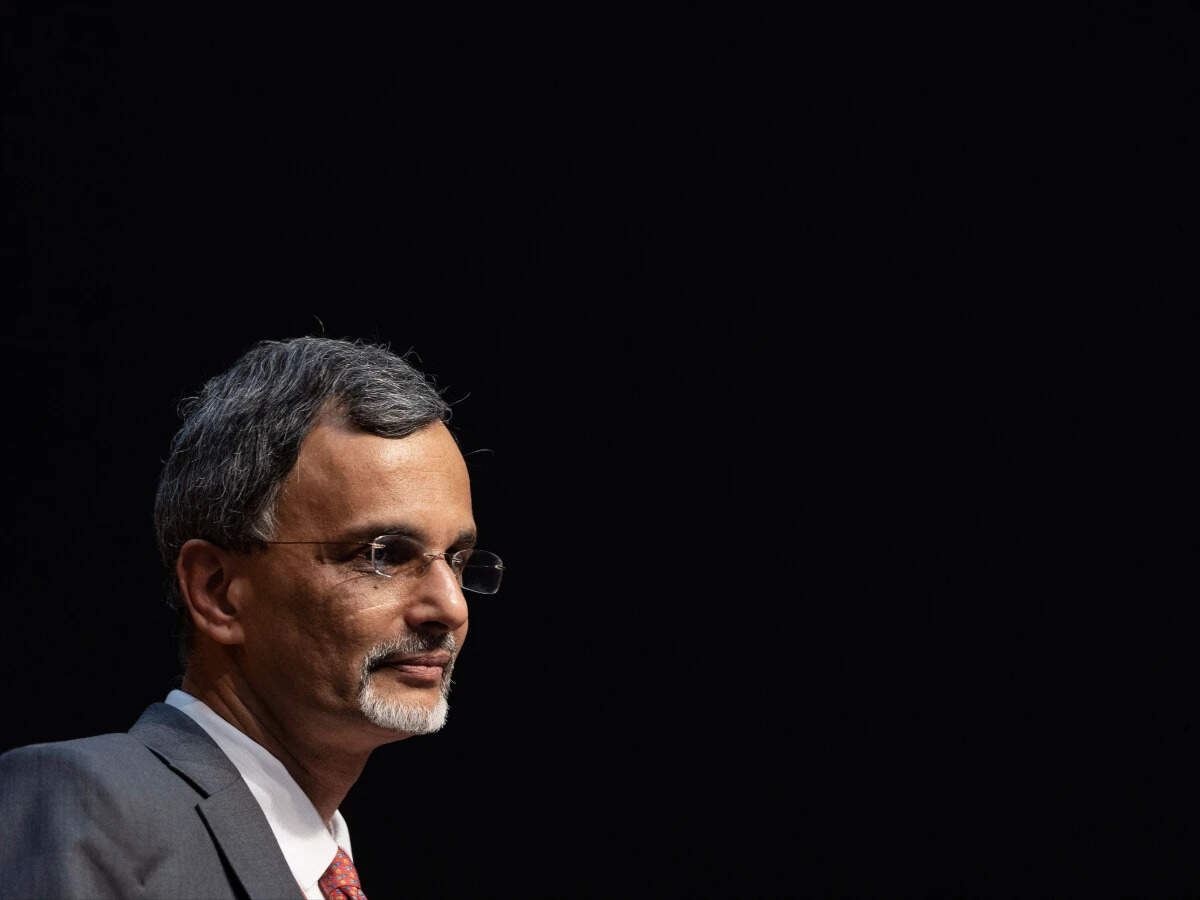
Chief Economic Adviser Anantha Nageswaran warns that finance ministries, central banks, and households could face the financial consequences if optimism surrounding artificial intelligence turns out to be misplaced. Even if expectations for AI are met, these entities may still bear part of the cost. Nageswaran outlines five potential risks associated with AI.
First, AI could disrupt entry-level jobs, as firms are hiring fewer junior employees. In a study of 41 countries, the junior workforce share fell in 23 of the 31 countries studied. In the United States, employment of 22 to 25-year-olds in exposed jobs has dropped about 19% compared to older workers in the same roles.
Second, extensive reliance on AI may weaken human capabilities. A study by researchers at MIT Media Lab found that participants' brain activity and connectivity weakened when using AI models for essay writing, describing this as "cognitive debt."
Third, there is a safety risk associated with AI. Fourth, the financing required for AI development is substantial. In the U.S., data center buildout may need over $10 trillion by 2032, which is approximately 3.6% of GDP annually. This year, cloud firms will spend more on capital expenditures than they generate in cash, leading to increased debt on their balance sheets.
Lastly, the fifth risk lies in public finances.
Written by urgent.news from The Economic Times - Economy's reporting — not their text. Machine-written — may contain errors; check the original before relying on it.