The pros and cons of using mechanical vs. membrane keyboards
Mechanical keyboards have certain advantages over membrane keyboards, but each has its strengths, and what works best for you depends on what you need.
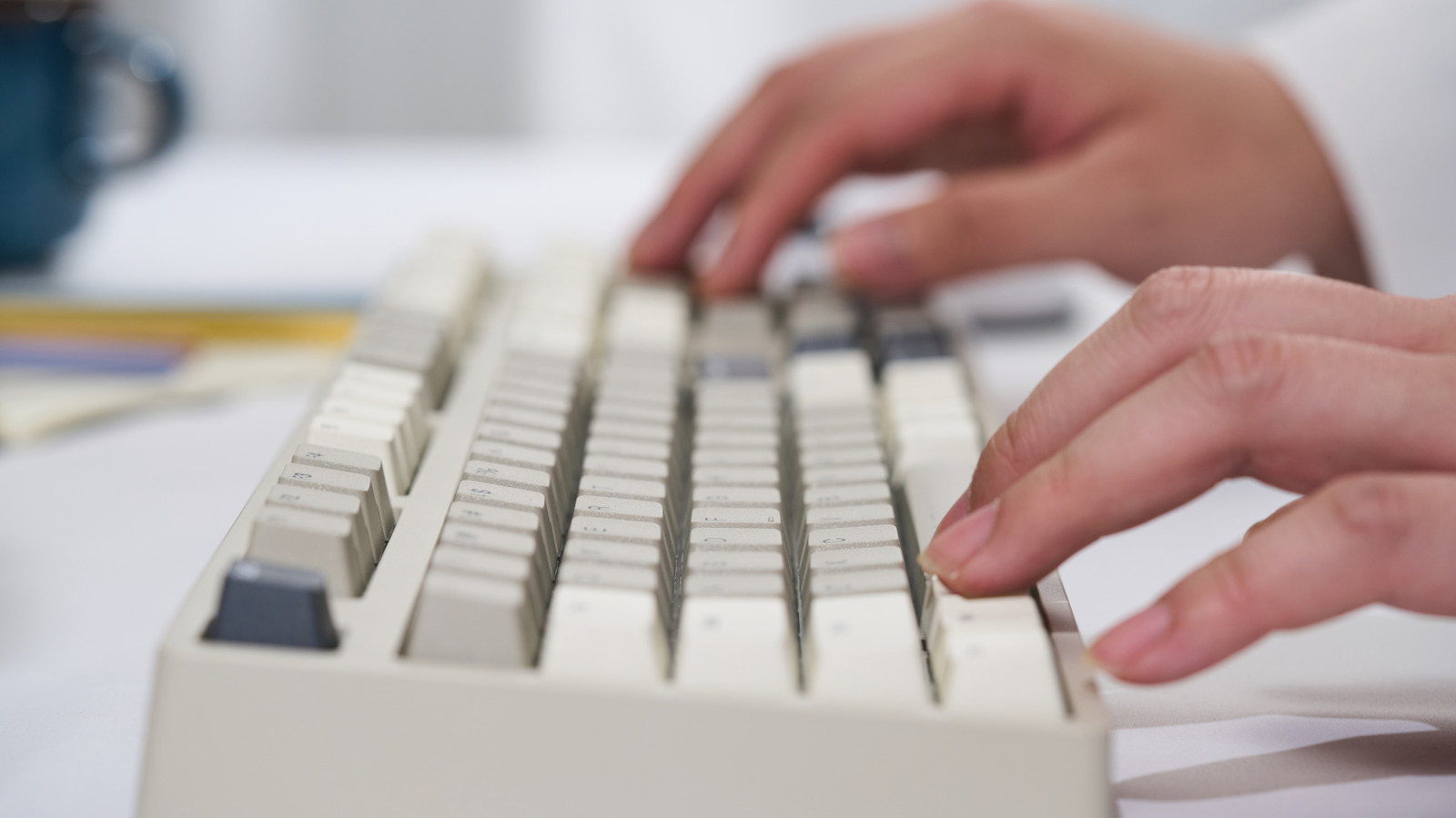
Mechanical keyboards have gained considerable popularity in recent years, transitioning from a niche interest to a mainstream choice. This shift means that more people are considering making the switch from traditional membrane keyboards. However, the decision can prove challenging due to the variety of options and higher price points, although the popularity of mechanical keyboards is helping to narrow the price gap.
The primary distinction between mechanical and membrane keyboards lies in the manner in which they register keystrokes. Membrane keyboards utilize a flexible layer of plastic and rubber, with keystrokes detected when a key touches the conductive surface beneath. Conversely, mechanical keyboards feature individual switches for each key, registering keystrokes at specific points within the switch's travel.
While membrane keyboards have their advantages, such as affordability and widespread availability, with many basic models costing under $20, they are primarily found in settings like schools and offices. Membrane keyboards are also favored for their quiet operation, making them ideal for environments where noise might be a concern.
On the downside, these keyboards are less durable, have shorter lifespans, and are challenging to repair if a single key malfunctions. Moreover, customization options are limited, leaving users with pre-set configurations.
Mechanical keyboards, on the other hand, offer superior durability and repairability. They can endure up to 100 million keystrokes, and keycaps or switches can be easily replaced or swapped. Mechanical keyboards also boast better key rollover, which is advantageous for fast typing and gaming, ensuring no crucial inputs are missed.
Furthermore, many mechanical switches provide tactile feedback, either through audible clicks, tactile bumps, or distinct actuation points, making typing more consistent and comfortable for some users.
However, mechanical keyboards have their drawbacks as well. They tend to be larger and heavier, potentially causing wrist fatigue or discomfort, especially if proper wrist elevation is not maintained. Additionally, their bulkiness makes them less convenient for travel compared to membrane keyboards. Ultimately, the choice between mechanical and membrane keyboards comes down to personal preference, as the auditory and tactile feedback of mechanical keyboards can be appealing to some while being distracting to others.
For those who appreciate customization and superior performance, exploring suitable mechanical keyboards could be a worthwhile endeavor.
Rewritten by urgent.news; may contain errors — check the original.
Source: engadget.com