How long is a new smart TV actually supposed to last?
If you're spending your hard-earned cash on a smart TV, you may want to have an idea how long it will last.
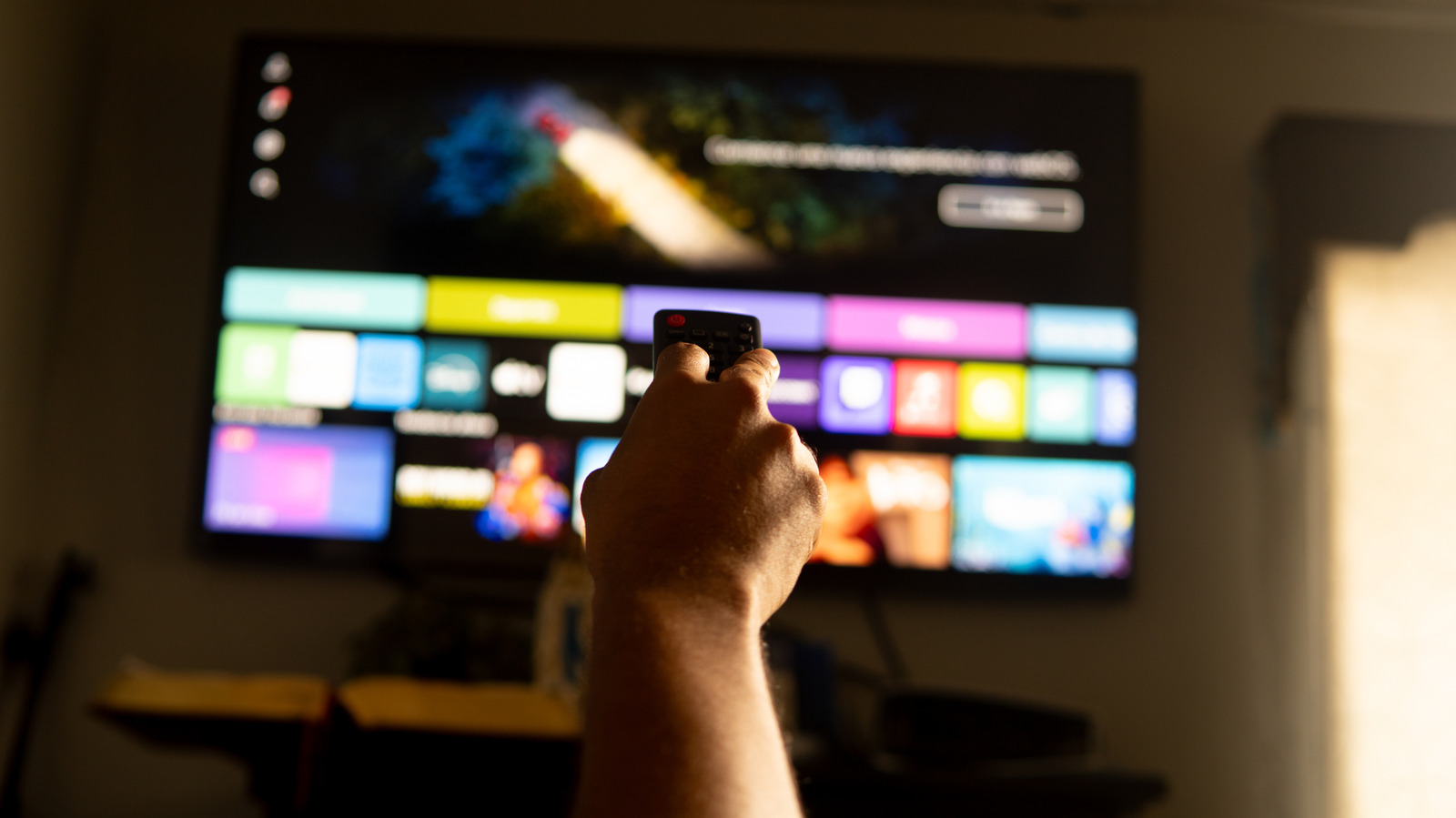
Determining the lifespan of a new smart TV can be a bit tricky, but experts suggest it typically ranges from seven to ten years. Proper care can significantly extend this period. Smart TVs come in various sizes and panel types, each with different lifespans. For instance, LCD TVs usually last between five to seven years, whereas OLED TVs can last 8-12 years. The way the TV is treated and used also plays a crucial role in its longevity. Leaving it on continuously can significantly reduce its lifespan.
The internal components, such as the logic board, tend to wear out before the panel does. While a standard LED/LCD TV is rated for 40,000-60,000 hours of usage, it generally lasts around five to seven years due to component failures like power or backlight. QLED/mini LED TVs, rated for 60,000-100,000 hours, typically last for eight to ten years.
OLED TVs, also rated for up to 100,000 hours, have a typical lifespan of 8-12 years, with a risk of burn-in. MicroLED TVs have the longest lifespan, rated for over 100,000 hours and a typical life of 11+ years.
Rated hours indicate gradual dimming, which is the time it takes for the TV panel's brightness to drop below 50 percent of its original output. However, due to various factors, TVs often stop working before their rated hours are up. These factors include heat, especially on LED/LCD TVs where heat concentrates around the panel's edges, accelerating backlight wear.
Brightness settings also impact longevity; keeping the TV at maximum brightness all the time accelerates component wear. Electrical fluctuations can slowly degrade the TV's logic board and power supply.
Software support is another crucial factor affecting the TV's lifespan. Major smart TV manufacturers offer four to eight years of support. Samsung offers seven years for models released since 2024 and some 2023 models, LG provides five years, and Hisense offers up to eight years of updates for TVs on VIDAA OS. Moderately using the TV, setting the brightness between 50 to 75 percent, can extend its backlight life by up to 67 percent.
Turning off the TV when not in use instead of leaving it in screensaver or standby mode is also beneficial. Avoiding static images on OLED screens for long periods is essential to prevent burn-in. Using surge protectors can guard against electrical fluctuations that might harm the TV. Proper ventilation is also important to ensure longevity.
Lastly, always install software updates when they are available. If updates have ceased but the TV's display is still functioning well, connecting it to a streaming box like Amazon Fire TV Stick or Roku can be a viable solution.
Rewritten by urgent.news; may contain errors — check the original.
Source: engadget.com