Silverio Palacios: el cine se ha convertido en una mentira
El actor ha tomado distancia del séptimo arte porque, afirma, ha perpetuado el personaje de víctima de los mexicanos
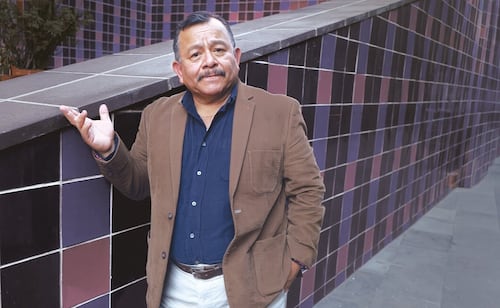
Silverio Palacios, a prominent face in Mexican cinema over the last two decades, is distancing himself from the industry for two main reasons: fewer roles and projects he finds uninteresting. Recently, he appeared in the comedy "Loco México mágico" as a mayor with political aspirations, and in the animation "Mi amigo el sol," both set for release.
However, these roles were shot three and two years ago, respectively. The 59-year-old actor from Colima, who previously played characters like Chuy in "Y tu mamá también" and Tony el Caníbal in "Matando Cabos," says, "I no longer live from making cinema." This weekend, he will perform in "Nunca he estado en Dublin," a drama with Mónica Huarte and Ari Albarrán, marking his third appearance in three weeks.
The play, alongside Duarte, reunites the actor with his daughter during Christmas, after being pressured to leave when they discovered them kissing a neighbor. Palacios has been dedicated to theater since 1982, when he debuted with the National Theater Company and other universities and independent groups, feeling a strong commitment to it.
"I live by teaching, I am a teacher, and I am a romantic who dreams of young generations wanting to learn, hoping they will eventually be interested in reviving the live, personal experience of theater," he explains. His distance from contemporary cinema is rooted in a growing social awareness, and a desire to stop perpetuating negative stereotypes of Mexicans as thieves, violent, or corrupt.
Palacios believes the industry has transformed into a falsehood, focusing more on special effects, political and social posturing, and profitability rather than storytelling. He criticizes the industry for perpetuating victimhood and farsical criminals, making honest people appear despicable. He urges a change in narrative and a refusal to participate in cinema that no longer offers meaningful content.
Even when defending certain anti-classist stances, Palacios acknowledges that he himself perpetuates them through his characters, causing a contradiction. He argues that actors should not claim they cannot be treated as ordinary people while charging exorbitant fees for playing villains. Palacios claims theater has become his refuge since the 1980s, offering more diverse roles and requiring the use of his full range of abilities.
He acknowledges that theater does not provide the same financial rewards as cinema and has shorter seasons, but he accepts the trade-off.
Rewritten by urgent.news; may contain errors — check the original.
Source: eluniversal.com.mx