Donald Trump, Foreign-Policy Intellectual
His likeliest heirs would turn “America First” nationalism into something more enduring.
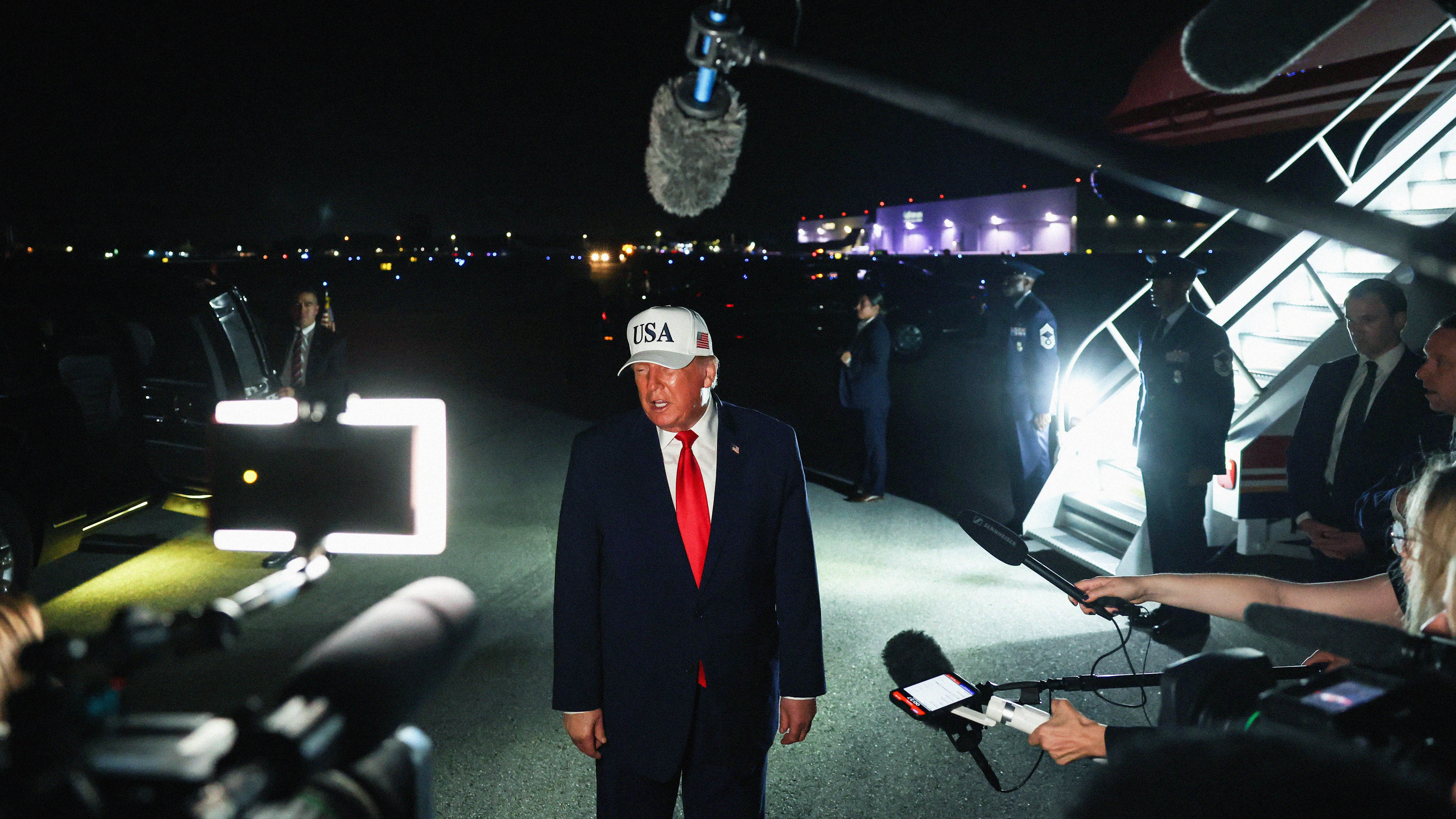
Donald Trump's foreign policy is driven by his own instincts rather than a coherent ideology. He has displaced the previous neoconservatives and free-traders, ushering in a new right that considers nationalism as America's paramount virtue and liberalism as its gravest fault. Despite his election losses, Trump remains unwavering in his stance, appointing Stephen Miller as his chief of staff, a staunch advocate for the notion that the strong must dominate the weak.
This mindset is unlikely to fade away even amidst the next Republican primary. Two probable nominees, Vice President Mike Pence and Secretary of State Marco Rubio, are heavily influenced by the New Right's ideas, albeit with differing perspectives. Both Pence and Rubio prioritize intellectual consistency over their boss's whims, potentially solidifying "America First" nationalism as a more permanent fixture.
Trump's foreign policy revolves around the belief that migrants jeopardize national culture, free trade is detrimental, and multilateralism diverts the U.S. from pursuing its interests. The New Right's factions—primacists, prioritizers, and restrainers—each offer distinct approaches to international affairs. Primacists, akin to the old neoconservatives, advocate for American dominance across multiple regions.
Prioritizers, like Elbridge Colby, argue for a more restrained foreign policy, focusing on containing China's rise. Restrainers, akin to pure isolationists, emphasize avoiding foreign entanglements whenever possible. While these factions may differ, they collectively shape the direction of Trump's foreign policy.
Rewritten by urgent.news; may contain errors — check the original.
Source: theatlantic.com