American farmers are paying the price for US aid cuts halfway across the world
Jim Darnell’s family has been farming beans in Nebraska for three generations, but he says the past few years have been some of the more difficult for his crops and his sales. And the future, the 77-year-old said, also looks tough. “It’ll be a difficult time in farming for the next year,” Darnell told CNN. … The post American farmers are paying the price for US aid cuts halfway across the world…
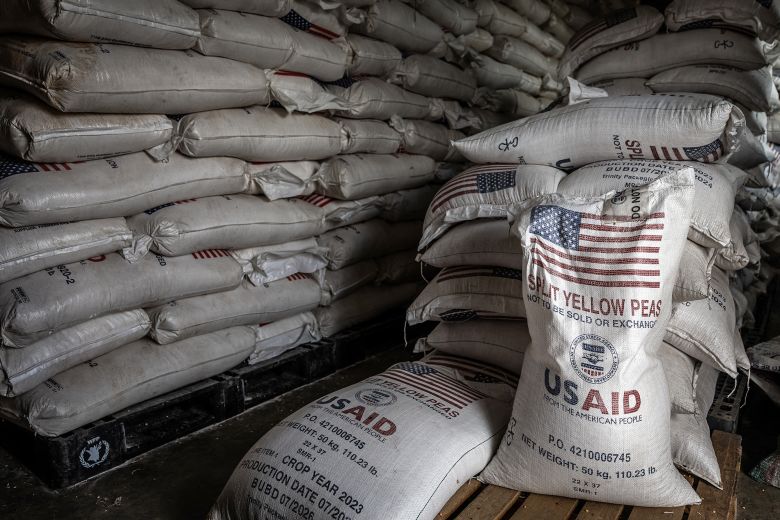
Jim Darnell, a 77-year-old farmer from Nebraska, has faced a challenging period for his crop business. Darnell attributes the difficulties to recent extreme drought, soaring fuel and fertilizer costs, and the disruption of market access for surplus crops due to US foreign food aid cuts. The US government's recent funding reductions for programs like Food for Peace and the McGovern-Dole Food for Education Program have negatively impacted farmers and crop elevator sales, ultimately affecting bean prices.
These programs have a history of bipartisan support and have helped feed billions of people worldwide since their inception in the 1950s.
Cathy Kaufman, whose family has been farming for five generations, echoes Darnell's sentiments, emphasizing that food assistance programs are beneficial, both for global hunger relief and domestic farmers. Nevertheless, recent congressional cuts to Food for Peace funding have resulted in a 25% decrease, from $1.62 billion annually to $1.2 billion for FY2026.
The Trump administration has also channeled less money into this program, with USDA food aid expenditures falling by about 55% compared to 2024 levels. According to Sam Vigersky, an international affairs expert, these programs have been pivotal in providing assistance to millions globally. When funds are withdrawn from such programs, it directly impacts the food supply for the world's most vulnerable populations.
Rewritten by urgent.news; may contain errors — check the original.
Source: egyptindependent.com