A world without Opec: Why the oil market may need to be reinvented
The Organisation of Petroleum Exporting Countries was born on September 14, 1960 , when a delegation from Venezuela encouraged Middle Eastern colleagues to join them for a meeting in Iraq . Could those two countries now spell the group’s doom? Reuters reports that the US has pushed its Venezuelan vassal and Iraq to leave Opec . Opec ’s obituary has, of course, been written many times. The…
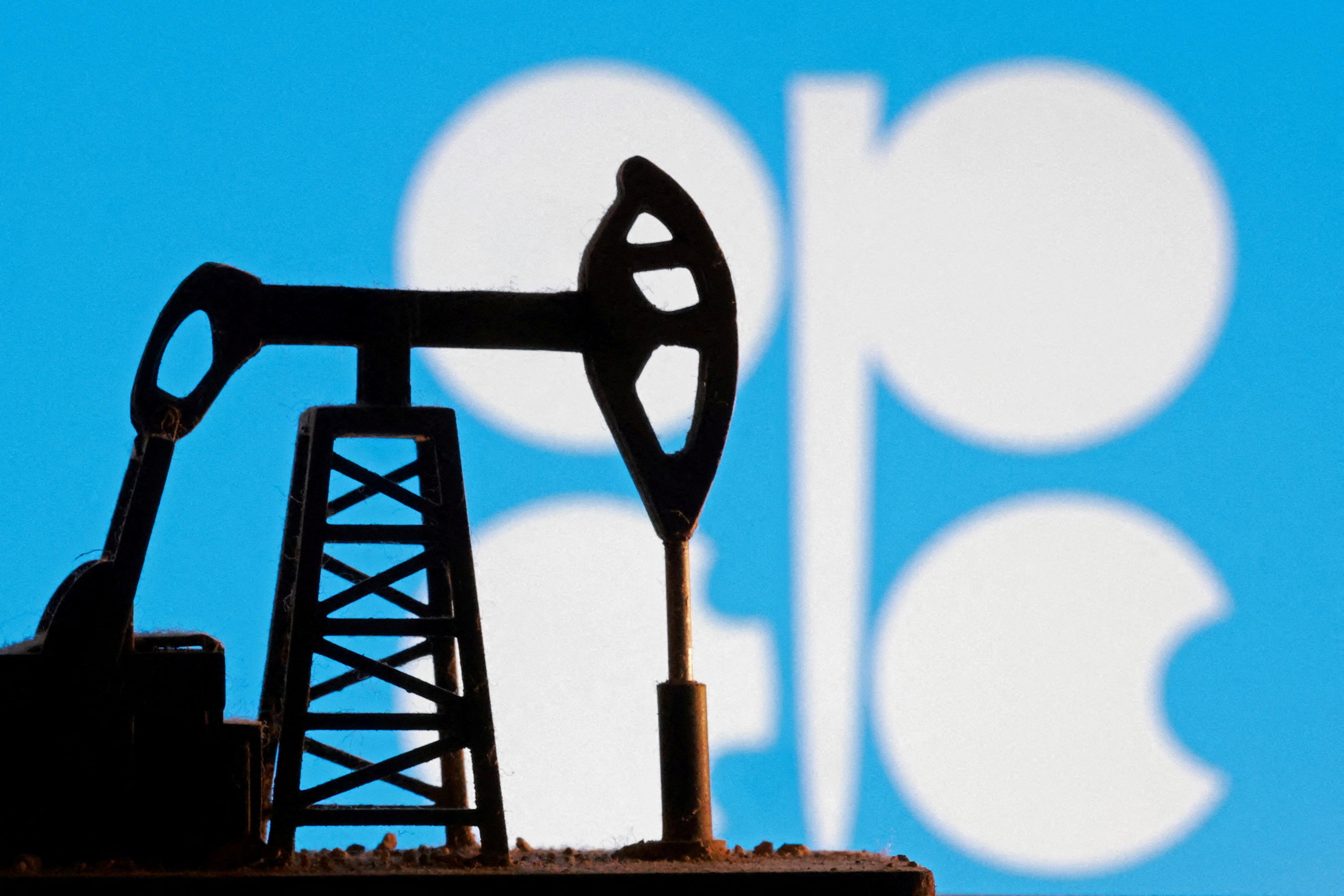
On September 14, 1960, Venezuela encouraged Middle Eastern colleagues to join them for a meeting in Iraq, marking the birth of the Organisation of Petroleum Exporting Countries (OPEC). The US has recently encouraged Venezuela and Iraq to leave OPEC, sparking concerns about the future of the oil market.
OPEC, initially ignored by the industrialized world, fought for better tax terms, higher prices, and greater national control in the 1970s. It took on the role of setting oil production quotas to boost prices in 1982, a role it still largely fulfills. Despite the loss and gain of members, OPEC has recently faced significant departures, with Qatar, Angola, and the UAE leaving in recent years.
The alliance faced challenges against US shale, causing a global oil price crash in 2014. In 2019, OPEC teamed up with Russia and other exporters in the OPEC+ alliance to address this issue. The US has historically loathed OPEC, a sentiment that dates back to the 1973 price shock.
OPEC's obituary has been written many times, but the alliance has adapted over the years. It fought for better tax terms, achieved higher prices, and gained greater national control. However, recent events suggest that OPEC may need to be reinvented to adapt to the changing oil market.
The oil market has always had a structure of cooperation, but it is not a free-for-all. In the past, there have been monopolies and factions, but OPEC has played a crucial role in moderating crude volatility. The absence of OPEC could lead to more volatility in oil prices, as producers would produce closer to their maximum capacity and global demand would increase. High-cost frontier areas might suffer long periods of low profitability. The industry would consolidate, with weaker players going bankrupt.
Rewritten by urgent.news; may contain errors — check the original.
Source: thenationalnews.com