A teenager’s 160-printer warehouse shows how 3D printing outgrew the hobby shop—and an expert says manufacturers should be nervous
Home print farms built on $299 machines are clearing real revenue, and a Western University professor warns cheap printers plus AI could let anyone copy and customize mass-market products.
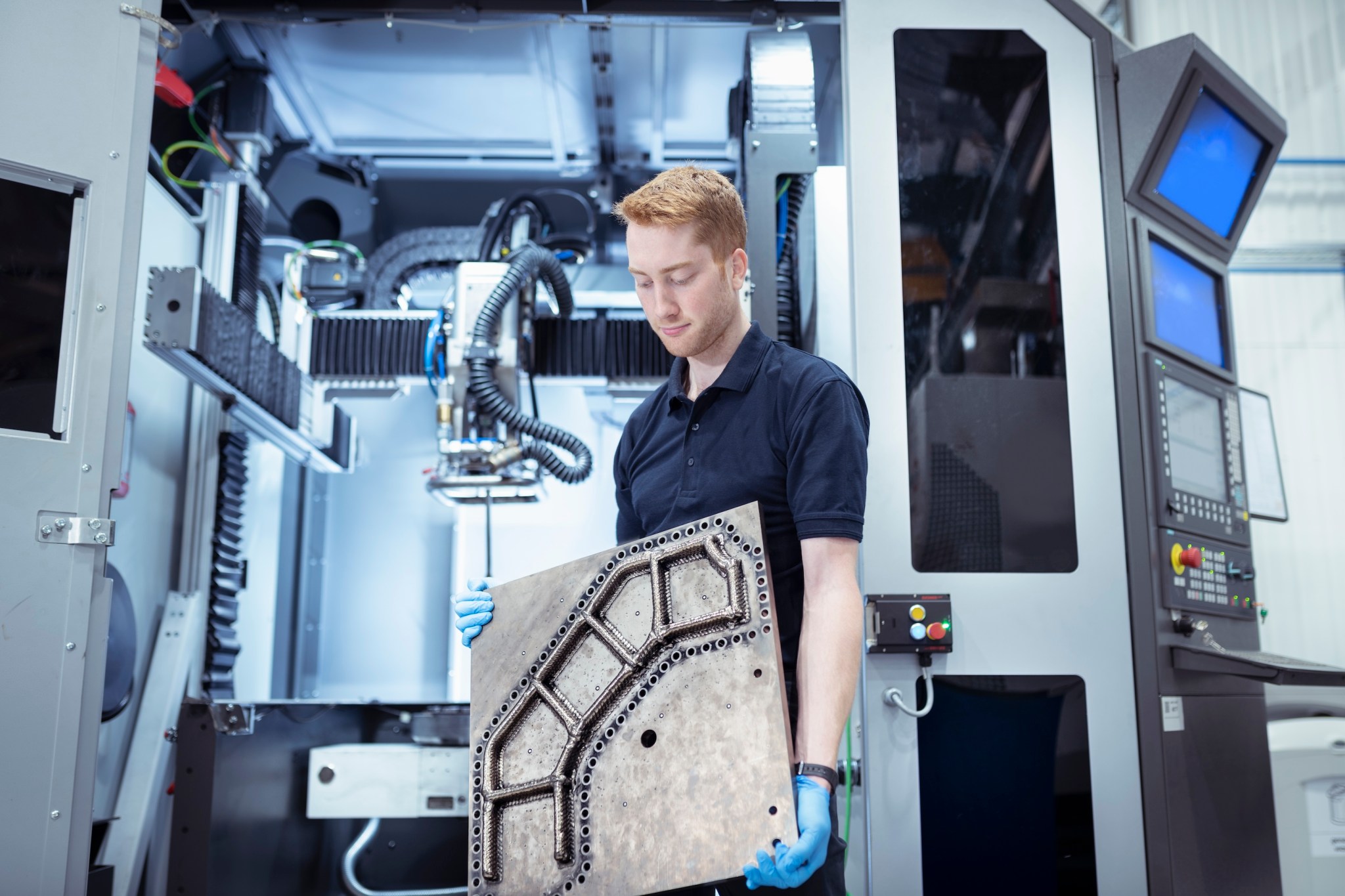
In Clifton Park, New York, Mike Satterlee, 19, operates a warehouse housing 160 desktop 3D printers primarily from Bambu Lab. These machines are used to create products such as CruiseCup can coolers, which can even eject empty cans. In 2025, CruiseCup generated $808,000 in gross revenue. While the success of CruiseCup is exceptional, it is not unique.
Since its inception more than four decades ago, 3D printing has transcended the hobbyist level and is now revolutionizing manufacturing. Large-scale printing operations are producing entire neighborhoods, while aerospace manufacturers are creating jet-engine parts en masse. This accessibility poses a threat to established manufacturers.
Joshua Pearce, an expert at Western University, predicts that the combination of inexpensive printers and artificial intelligence could enable anyone to duplicate and customize products currently sold by manufacturers. He emphasizes the rapid evolution of 3D printing from a 1983 laboratory experiment to a desktop machine costing only $299.
The technology, known as additive manufacturing, involves building objects layer by layer rather than cutting them from a solid block. Consumer-grade 3D printers became widely available in the early 2010s, including models from Elegoo, Creality, and Bambu Lab, which are now used by young individuals to create toys, figurines, and functional household items.
The economics of small-scale 3D printing businesses are favorable. For instance, Milla, a 11-year-old maker, started with a single Bambu Lab A1 printer in her basement, which eventually grew into a profitable business selling fidget toys and small printed goods on platforms like Etsy and Instagram. The low entry barrier allows businesses to become profitable with just a few machines.
As demand for 3D-printed products grows, platforms like Shopify report a 112% increase in sales over the past year. Additionally, Bambu Lab's MakerWorld platform hosts over three million public models and has more than 10 million monthly active users. This surge in demand and accessibility could disrupt traditional manufacturing processes, as Pearce warns that unskilled individuals could potentially reverse-engineer and produce products at a fraction of the cost, posing a significant risk to established manufacturers.
Rewritten by urgent.news; may contain errors — check the original.
Source: fortune.com