Black Friday shopping footfall slumps as high street suffers
Black Friday delivered a significantly lower boost for the UK’s retailers than usual this year, as cash-strapped shoppers held off despite bumper deals. This day usually delivers one of the year’s biggest uplifts in retail footfall and kicks off the so-called golden quarter, a crucial period of trading for retailers in the run-up to Christmas. [...]
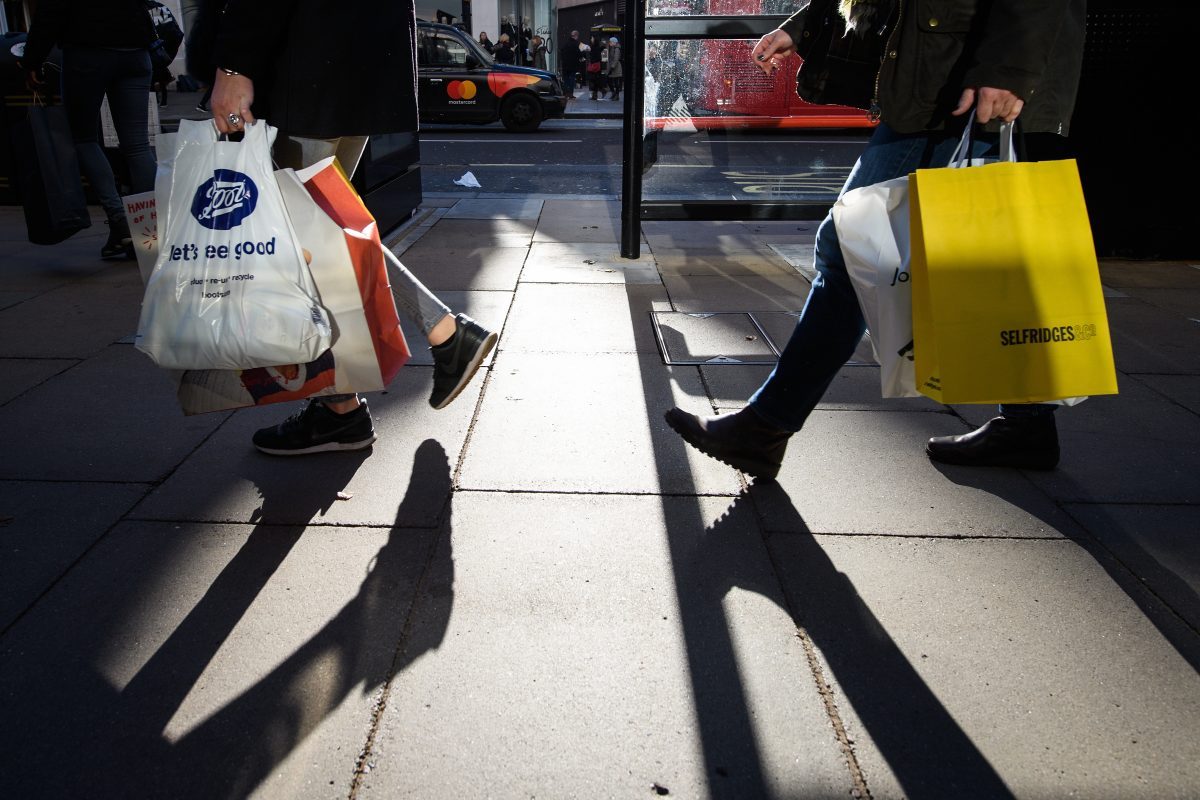
Black Friday saw a significant decline in retail footfall across the UK, with cash-strapped shoppers holding off despite attractive deals, according to retail data firm Sensormatic. This year's Black Friday delivered a much lower boost for the nation's retailers than usual, as fears of mounting inflation, escalating energy bills, and fragile consumer confidence near decade lows dampened consumer enthusiasm.
Footfall across the UK dropped by 9.9 percent compared to last year's Black Friday, with shopping traffic 51.7 percent higher than the previous week suggesting cautious shoppers held back on bargains. The trend continued into the weekend, with retail footfall on Saturday 11.6 percent lower than at the same time last year. The high street bore the brunt of this year's soft Black Friday, with footfall down by 15 percent.
Retailers are now looking ahead to the remainder of the Golden Quarter, which is a crucial period of trading for them in the run-up to Christmas. However, they are not only competing to attract footfall, but also to secure a share of an increasingly stretched consumer wallet. This means balancing discount demands with compelling reasons for customers to not just visit, but also convert.
UK consumer confidence plunged to its lowest level since Brexit in October, with the GfK index falling by 11 percentage points to -24. Although it improved slightly by two points to -22 in November, it still remains well in negative territory, indicating that consumer confidence remains fragile and vulnerable to further economic pressures in the months ahead.
Retail industry figures warned that a loophole enabling foreign e-commerce firms to avoid paying tax on small imports could disadvantage high street retailers. This 'de-minimis' threshold, which is set to close in October 2028, means online giants like Shein and Temu could capitalize on additional Black Friday sales due to the US and EU tightening up on similar tax loopholes.
Jeff Moody, chief operating officer of the British Independent Retailers Association, pointed out that the money retailers earn between now and Christmas is crucial to carry them through the quiet months of January and February. If this trade doesn't materialize, some retailers might struggle to survive into the spring.
Rewritten by urgent.news; may contain errors — check the original.
Source: cityam.com