Study finds home blood pressure monitoring effective in rural communities
NAIROBI, Kenya, Nov 28 – Home blood pressure monitoring, supported by community health workers, could improve hypertension detection in rural communities, particularly in areas where access to health facilities and…
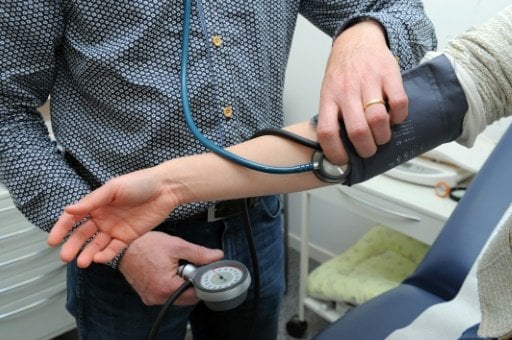
A recent study has revealed that home blood pressure monitoring, facilitated by community health workers, may significantly enhance hypertension detection in rural regions where access to healthcare facilities and advanced equipment is scarce, such as in Kilifi County, Kenya, and Kiang West, The Gambia. The research, published in The Lancet Global Health, demonstrated an age-standardized sensitivity of 82.6 percent in Kenya, accurately identifying 82.6 percent of individuals classified as having hypertension via daytime ambulatory blood pressure monitoring.
In The Gambia, the sensitivity was slightly lower, at 68.7 percent. The study involved 1,279 adults aged 30 and above, with 696 participants from Kenya and 583 from The Gambia, with women comprising more than half of the total. Participants were trained by community health workers to use digital blood pressure monitors at home, recording readings twice daily for three to seven days.
In addition to home monitoring, researchers equipped participants with ambulatory blood pressure monitoring devices that automatically recorded readings every 15 minutes during the day and every 30 minutes at night. The findings showed that home monitoring recorded a higher age-standardized prevalence of hypertension (32.5 percent in Kenya, compared to 23.1 percent through ambulatory monitoring) in Kenya and (31.2 percent in The Gambia, compared to 27.1 percent in ambulatory monitoring).
However, the researchers cautioned that the elevated prevalence from home monitoring does not necessarily indicate that all additional cases were correctly identified, as the positive predictive value of home monitoring was only 58.6 percent in Kenya and 59.9 percent in The Gambia. Conventional office blood pressure measurements continue to be the primary method of screening and diagnosing hypertension in sub-Saharan Africa due to their widespread availability in healthcare facilities and other settings.
Nonetheless, recent data from the region suggest that these measurements have low sensitivity, which may delay the identification of individuals with hypertension. While home monitoring could serve as a viable alternative in rural areas where ambulatory monitoring is costly and logistically challenging, several challenges must be addressed before its widespread adoption, including the cost of validated blood pressure monitors, ensuring consistent patient compliance, and enhancing health facility systems for downloading, reviewing, and interpreting the results.
The researchers also cautioned that the findings may not be universally applicable, as the study was conducted in only two rural areas and the cross-sectional design precludes establishing a causal relationship between home monitoring accuracy and long-term health outcomes, such as cardiovascular complications.
Rewritten by urgent.news; may contain errors — check the original.
Source: capitalfm.africa