Scientists Discovered a Mysterious Lost Human Species
Move over, Neanderthals and Denisovans. Human teeth unearthed from caves in southern China hint that multiple human lineages inhabited this region 100,000 years ago, including a new “unresolved” member of our family tree.
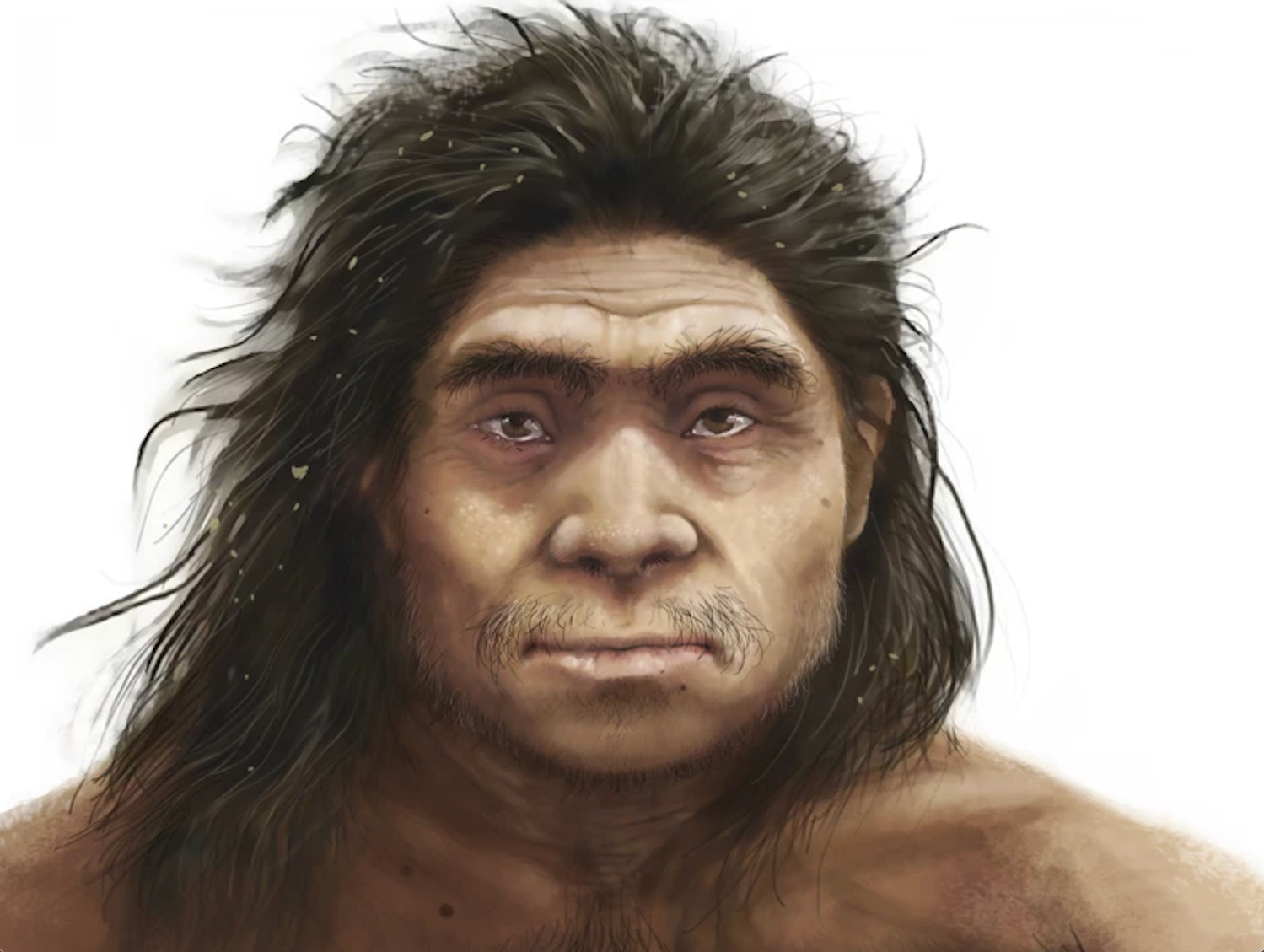
In a groundbreaking discovery, scientists unearthed ancient teeth in China that belonged to an unknown human lineage that existed 100,000 years ago. This find could represent a completely new species of human, distinct from Neanderthals, Denisovans, or Homo sapiens. The teeth were discovered in two cave sites, Chuanshandong and Longchuandong, in the subtropical Guangxi region of southern China.
This region has historically been underrepresented in the fossil record due to its warm, humid climate, which is not conducive to preservation. The discovery of these teeth, along with previously found Denisovan-affinity teeth in Chuanshandong, suggests that southern China may have been home to multiple populations of archaic humans during the Middle and Late Pleistocene.
The researchers caution that further fossil evidence and analysis are necessary to determine the exact identity of the Chuanshandong hominin, whether it belongs to a known lineage like Homo erectus or represents a novel species. This discovery adds to the puzzle of human evolution, highlighting the diverse range of our ancient relatives that once inhabited the world.
Rewritten by urgent.news; may contain errors — check the original.
Source: 404media.co