Scientists Find Evidence of Earth-Like Planet Hiding Beyond Neptune
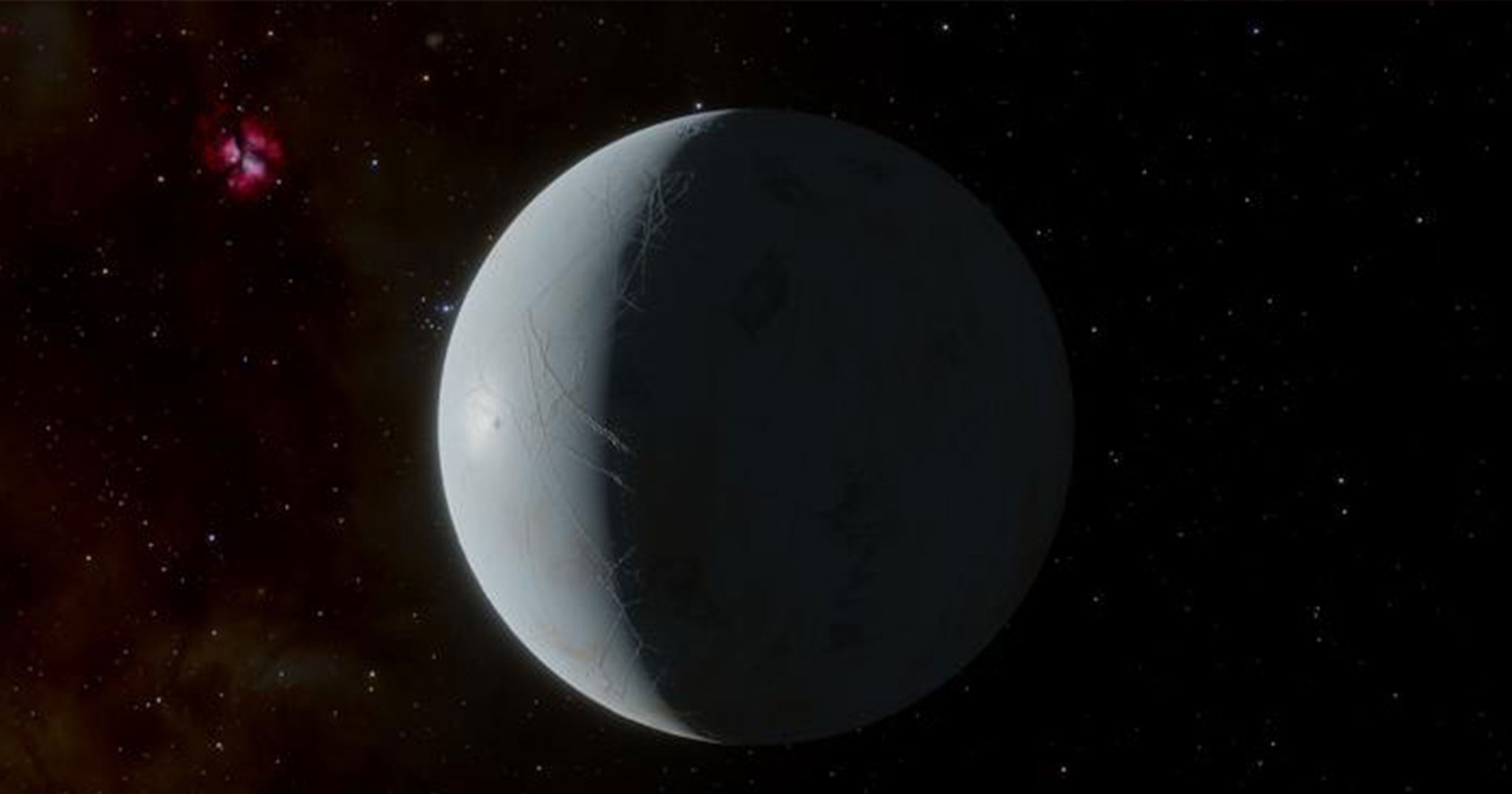
Scientists have proposed the existence of a hypothetical planet, dubbed Planet X2, which could account for the puzzling movements of trans-Neptunian objects beyond Neptune. This object would be significantly smaller, possibly 1.5 to two times the mass of Earth, and orbit the Sun at a distance of hundreds of times greater than our planet.
Led by University of Southern Queensland associate professor Patryk Sofia Lykawka, an international team of researchers published their findings in the Monthly Notices of the Royal Astronomical Society, suggesting that additional planets may be hiding within our solar system.
The idea of Planet X2 is not without controversy, as no telescope has been able to confirm its existence. However, its potential impact on our understanding of the history of our solar system and the behavior of distant objects is significant. Professor Jonti Horner, coauthor of the study, highlighted the possibility that both Planet Nine and Planet X2 could coexist, and that the current model still has differences from observations that need further investigation.
The team simulated the evolution of our solar system over billions of years to determine if a distant planet could explain the unusual behavior and orbits of trans-Neptunian objects. Planet X2's extreme elliptical orbit would bring it between 200 to 500 astronomical units away from the Sun, and the researchers hope that the new Vera C Rubin Observatory in Chile will provide more valuable data as it surveys the sky.
Rewritten by urgent.news; may contain errors — check the original.
Source: futurism.com