Running two GPUs in one PC is back, but this time, games have nothing to do with it
Local AI has taken the consumer GPU world by storm
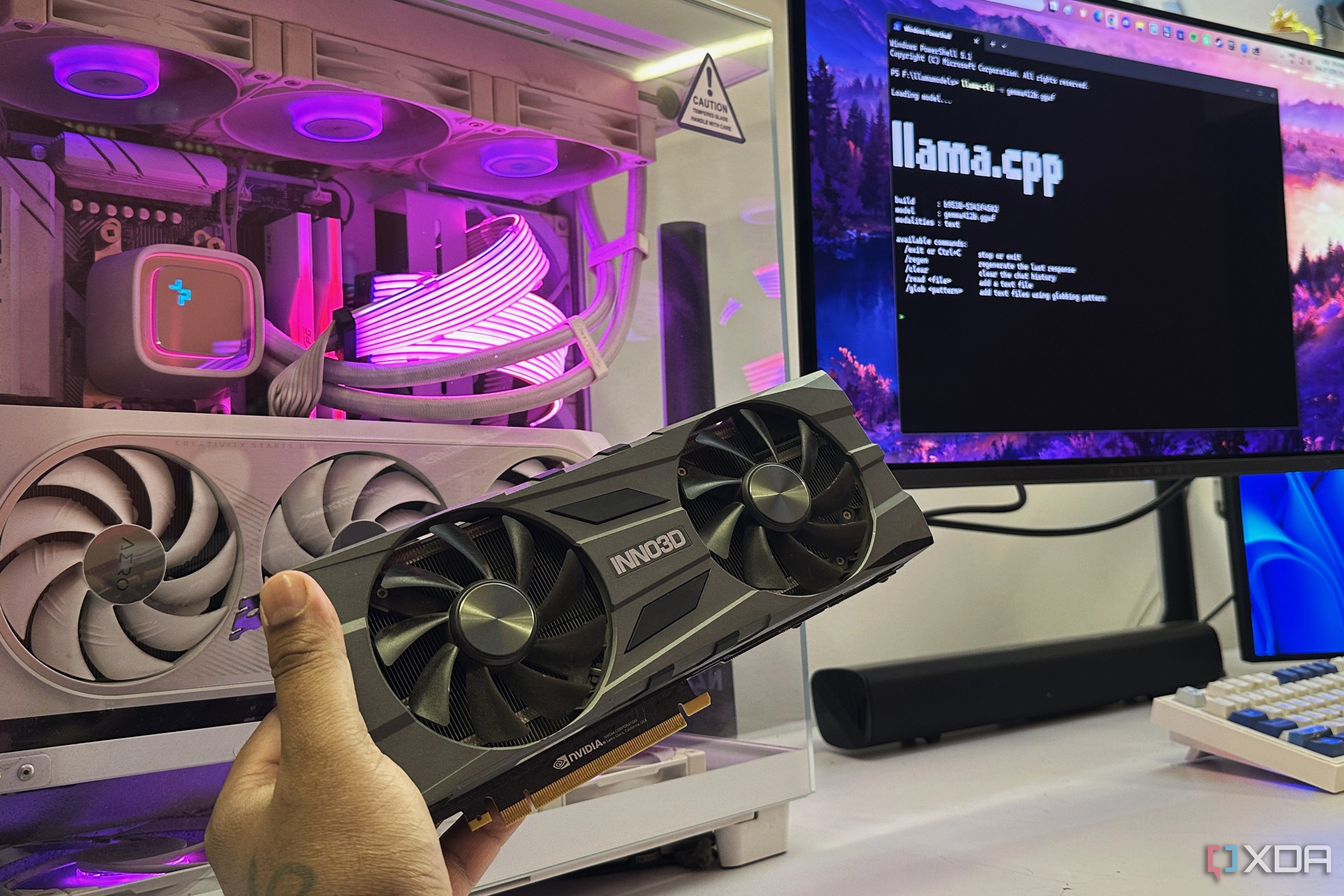
Running multiple graphics processing units (GPUs) in a single personal computer (PC) is making a comeback, but this time for non-gaming applications such as local artificial intelligence (AI) processing. In the past, gamers sought to connect multiple GPUs to achieve superior performance beyond what single-GPU setups could offer.
However, the trend waned by the end of the 2010s due to challenges like microstutters and inconsistent driver support. Nvidia and AMD discontinued support for multi-GPU setups around 2020-2021, focusing instead on single-GPU enhancements for AI applications. Recently, local AI enthusiasts have reignited interest in multi-GPU configurations, utilizing the increased VRAM capacity for training larger models.
While this setup does not double token performance, it allows users to fit significantly larger models, making it a viable option for those who already own a decent GPU. To address potential issues, users should consider PCIe bifurcation on their motherboard and distribute tasks between identical GPUs to avoid bottlenecks. This arrangement proves beneficial for tasks like image generation or continuous LLM processing, offering a cost-effective alternative to purchasing high-end single GPUs.
Rewritten by urgent.news; may contain errors — check the original.
Source: xda-developers.com