How moon dust and recycled cardboard could help NASA build its lunar base
The high cost of building on the moon has led to wide-ranging research on how to make use of the moon's most plentiful resource: the dusty regolith that covers its surface.
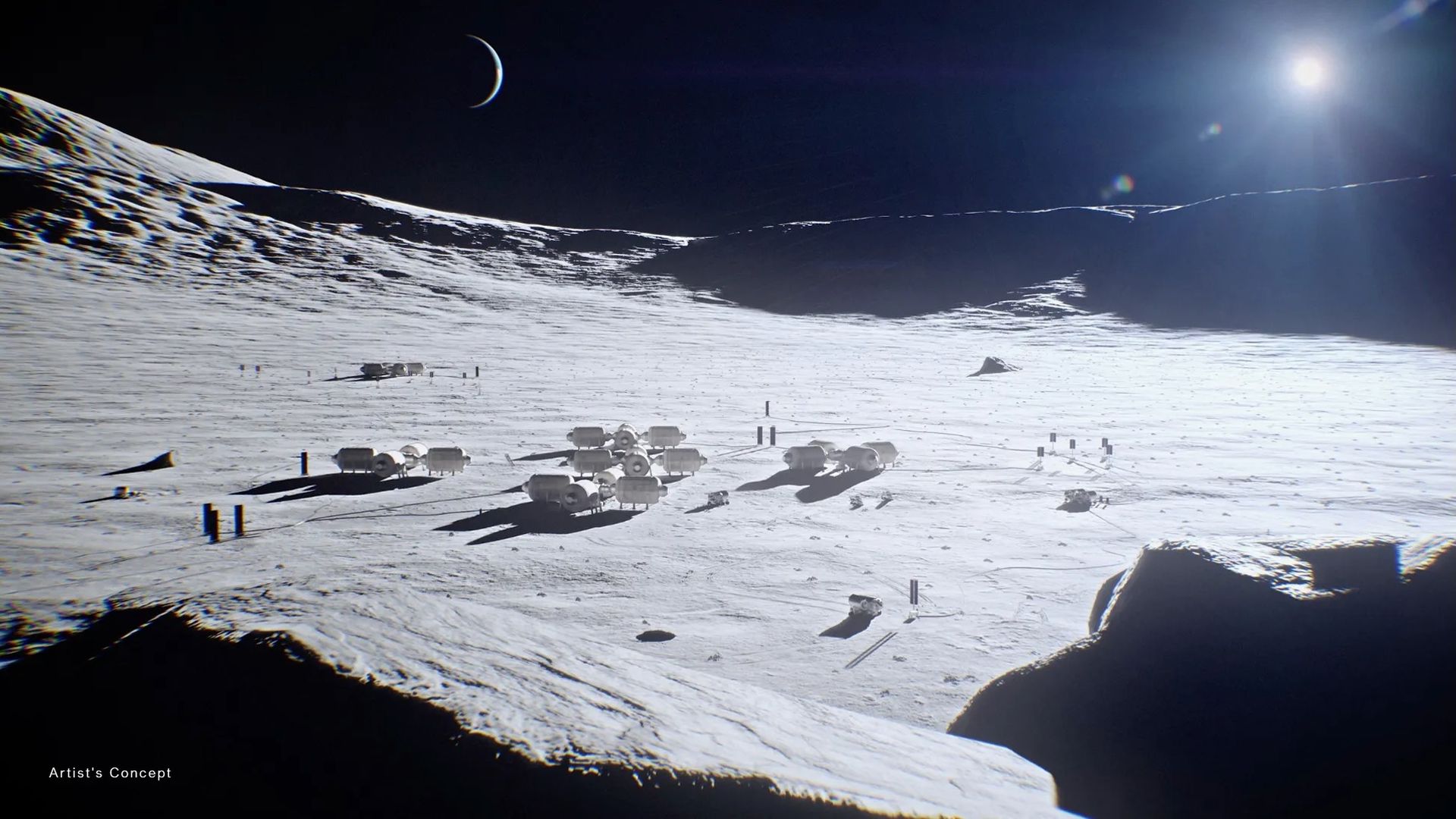
A Purdue University research team has developed an innovative aerogel composed of simulated lunar regolith and cardboard waste cellulose fibers as a potential solution to insulating future lunar habitats. The high cost of transporting materials to the moon, which averages $544,000 per pound, makes utilizing the moon's abundant regolith a promising avenue for sustainable construction.
NASA aims to establish a long-term, self-sufficient lunar base by 2032, necessitating the use of existing moon resources. Purdue researchers have created an aerogel that could protect inhabitants from temperature extremes on the lunar surface. By combining cellulose from recycled cardboard with a simulated regolith, the lightweight insulator maintains interior temperatures similar to a high-performance thermal lining.
This cost-effective approach seeks to strike a balance between desirable properties and the limited resources available on the moon.
Rewritten by urgent.news; may contain errors — check the original.
Source: space.com