An electric rickshaw boom is toxifying Bangladesh
Millions of e-rickshaws ply the country’s streets, powered by cheap lead batteries made in makeshift smelters that are poisoning the environment, livestock and children
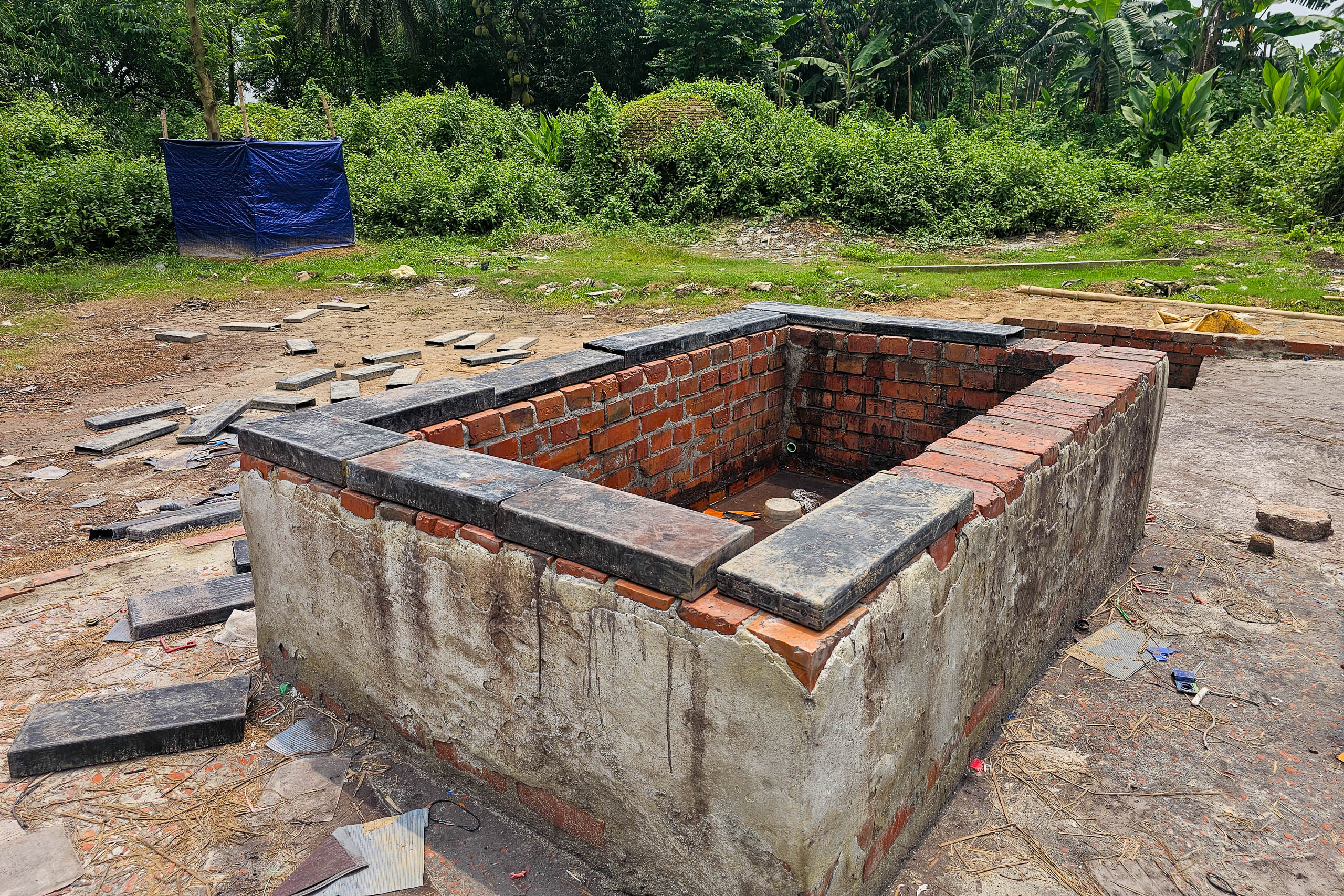
In a clearing near Bhawal national park, traces of an abandoned lead-smelting operation were discovered. The site, located less than a kilometre from a protected forest north of Dhaka, contained melted plastic from cell frames and dark, pungent liquid believed to be spent battery acid. The abandoned operation had been in use for a year, with workers arriving after 10 pm to dismantle and sort used batteries, which were then taken deeper into the forest for smelting.
Residents living nearby reported the presence of a smelter and tanks holding the same dark liquid in an open backyard, adjacent to four homes. Workers at a fish hatchery stated that six to eight people typically worked through the night, leaving at dawn, during the operation's intermittent activity over the past decade.
The informal recyclers dismantled used batteries in various locations, including workshops, homes, backyards, and small shops, extracting lead to create new cells for Bangladesh's growing fleet of electric rickshaws. Known as "Bangla Teslas," these vehicles have become a popular and affordable means of transportation, replacing pedal-powered three-wheelers.
They offer several advantages, including high demand, low operating costs, minimal physical labor, and few barriers to entry. Additionally, they provide employment opportunities in a time of economic uncertainty.
With nearly 80% of the sector operating outside the formal system, the lack of proper environmental clearance and recycling practices is a significant concern. The market for lead-acid batteries in Bangladesh is estimated at USD 870 million, with projections to reach USD 1.1 billion by 2031. However, this growth comes at a cost, as these batteries generate approximately 167,000 metric tonnes of lead waste annually, contaminating the environment and posing health risks to millions of people and the wider ecosystem.
Rewritten by urgent.news; may contain errors — check the original.
Source: dialogue.earth