The Brazilian social movement working with China to help family farms
The Landless Rural Workers’ Movement hopes to revolutionise the tractor market for smallholders, despite resistance from traditional manufacturers The post The Brazilian social movement working with China to help family farms appeared first on Dialogue Earth .
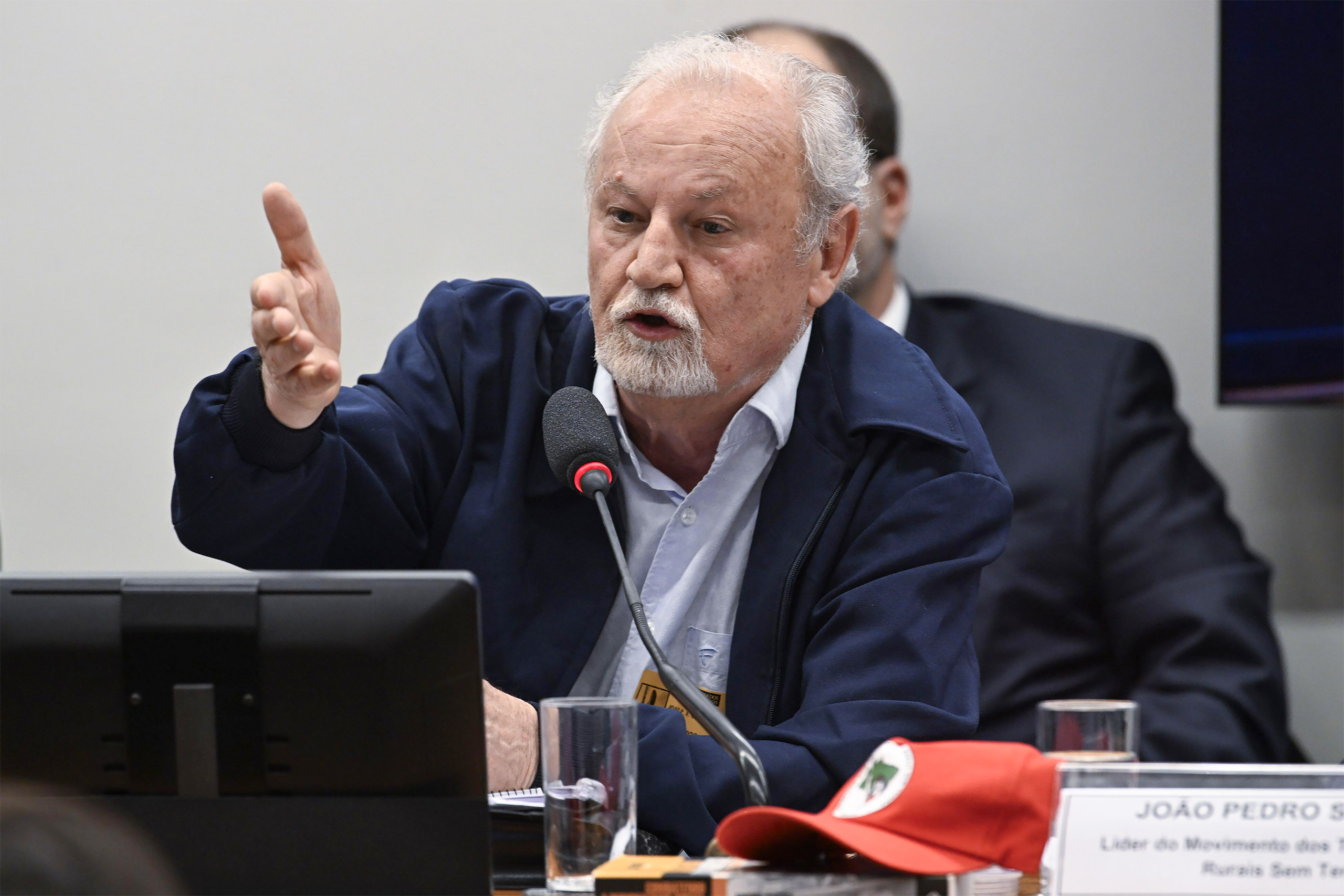
Family farmers in Brazil could soon have access to affordable tractors thanks to a partnership between Chinese manufacturers and one of Brazil's most prominent social movements, the Landless Rural Workers' Movement (MST). The MST, formed in the 1980s to campaign for agrarian reform, has helped thousands of small-scale farmers gain access to land. However, despite the large number of family farms in Brazil, the tractor market continues to favor larger agricultural producers.
The MST's co-founder, João Pedro Stedile, explains that the partnership with Chinese companies and universities aims to address the gap in access to technology for family farming. China's agricultural machinery industry developed to serve small plots, making it relevant to this effort. The MST is working to develop suitable, affordable tractors for Brazil's underserved family farming sector.
In 2022, a memorandum of understanding (MoU) was signed between China and Brazil, facilitating cooperation and knowledge-sharing. Since then, the MST has opened a demonstration and training centre dedicated to Chinese farming machinery in Apodi, Rio Grande do Norte. In 2024, 40 Chinese-made tractors were loaned to Brazilian farmers, monitored by the centre. In February 2025, a research centre was established in partnership with the University of Brasília, focusing on technological development for family farming.
In May 2025, 36 MoUs were signed between Brazil and China, including one on modern family farming and agricultural mechanisation. Plans are underway to open five factories in Brazil, with the first located in Maricá, Rio de Janeiro state. The factory, a partnership between the Chinese state-owned company Sinomach and the Brazilian company OZ.Earth, will reportedly cost BRL 200 million (USD 36 million) and produce up to 5,000 tractors per year. The MST and Maricá's municipal government will serve as key partners for the plant.
Rewritten by urgent.news; may contain errors — check the original.
Sources: livescience.com · dialogue.earth