Scientists may have discovered new branch on the human family tree, 100,000-year-old tooth in China suggests
One tooth from a cave in southern China may upend how we think about early human origins in Asia.
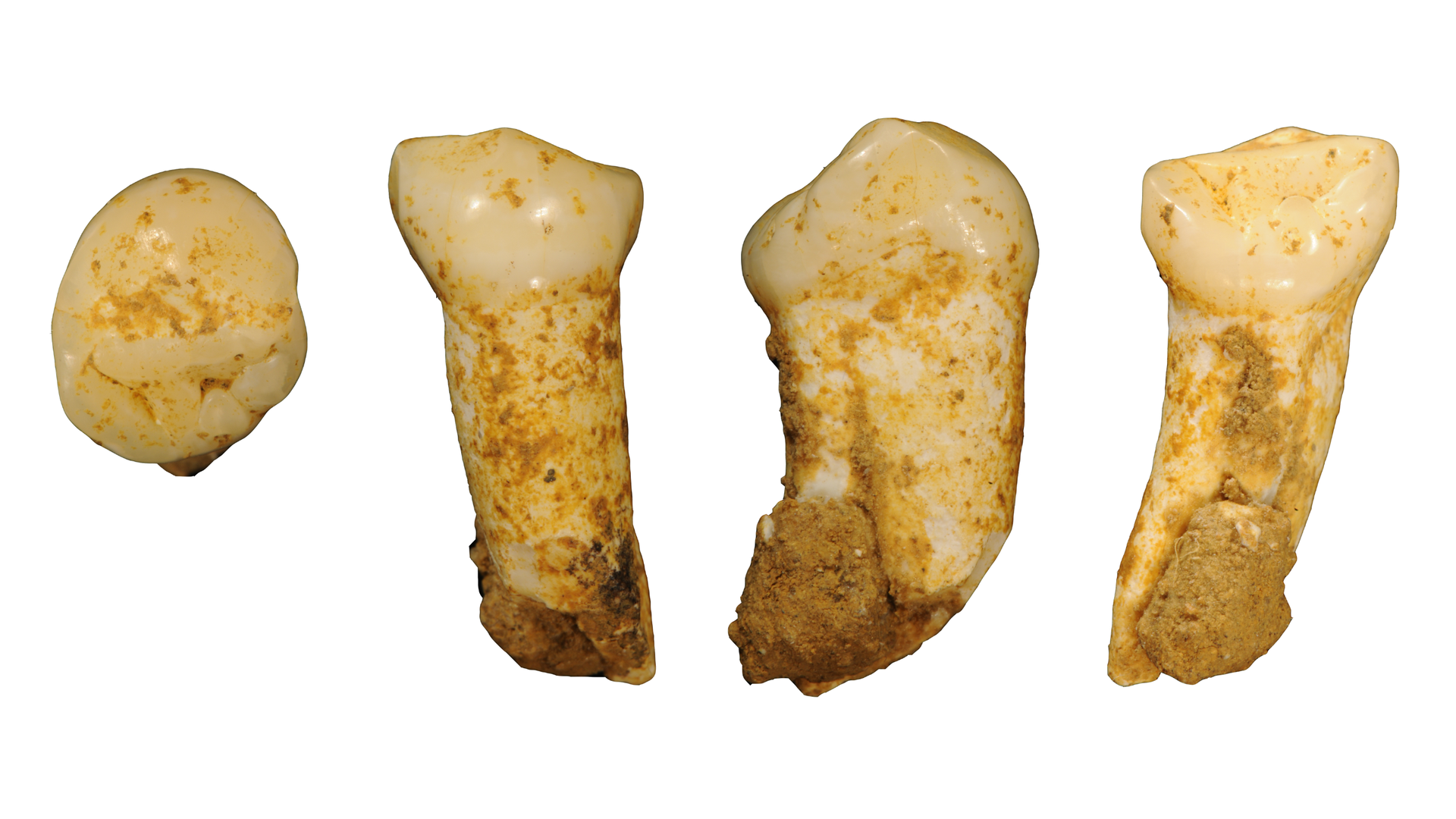
In a cave in southern China, scientists have uncovered a 100,000-year-old tooth that has sparked speculation about a previously unknown branch on the human family tree. Genetic analysis of the tooth's enamel suggests the tooth belongs to an individual from a distinct ancient human lineage. The study, published in the journal Nature, describes four isolated teeth recovered from two cave sites in Guangxi region, with two teeth from one site matching Denisovan teeth and another tooth from a second site exhibiting a unique shape and genetic variants.
The tooth from the second site is believed to be around 100,800 years old and may have come from an individual belonging to a primitive Homo lineage. While the researchers are cautious not to label it as a new human group, they acknowledge the unique ancient proteins could be explained by interbreeding with H. erectus. The Guangxi region is known for its caves, which have yielded various Pleistocene mammal fossils.
Rewritten by urgent.news; may contain errors — check the original.
Source: livescience.com