Logistics decentralization highlights potential of provincial hubs — Philexport
BUSINESSES are seeing to bypass the congested Port of Manila by making more use of alternative gateways, Sergio…
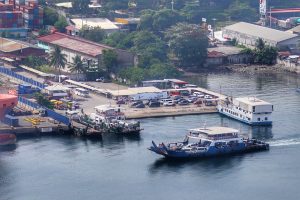
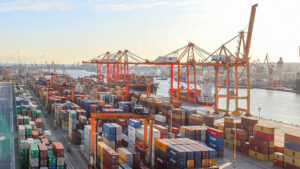
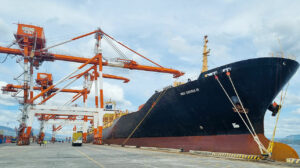
Businesses are increasingly utilizing alternative ports to avoid congestion at Manila's Port, according to Sergio R. Ortiz-Luis Jr., head of the Philippine Exporters Confederation, Inc. (Philexport). He expressed optimism about the potential of logistics projects that leverage hubs outside the capital, such as Clark, Cebu, and Davao, as well as the Luzon Economic Corridor, especially the Subic-Clark-Manila-Batangas freight railway.
Mr. Ortiz-Luis emphasized the importance of businesses having confidence in the ability to move cargo across various modes of transportation, citing the need for reforms to improve the permit and clearance issuance system. Achieving an efficient network will necessitate reliable infrastructure and predictable regulatory policies to reduce costs and attract private investment.
He stressed that a new route only becomes viable when it is commercially viable, connected to where goods are produced and consumed, and supported by dependable schedules and transparent charges. Neil Adrian S. Cabiles, an assistant secretary at the Department of Finance's Office of the Chief Economist, explained that decentralizing to provincial hubs will require them to function as interconnected networks, independent of operating autonomously.
The National Single Window-Integrated Trade Facilitation Platform is expected to streamline logistics and trade-related processes by consolidating trade requirements into a single digital portal, connecting over 72 trade-related agencies. According to Cabiles, the platform supports decentralization by allowing trade processes to be carried out regardless of location.
Jonathan L. Ravelas, Senior Economist at Reyes, Tacandong & Co., highlighted the strong dollar and the need for the Philippines to reduce its reliance on imports. He advocated for import substitution, suggesting that establishing domestic suppliers with scale could help lower the country's current account and trade deficits.
Rewritten by urgent.news; may contain errors — check the original.
Source: bworldonline.com