Damage from climate shocks takes long time to emerge — WB
THE FULL EXTENT of the damage inflicted by climate disruption can be imperceptible at first, only becoming apparent…
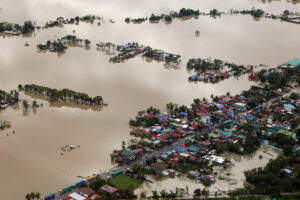
A World Bank official claimed that the full extent of damage inflicted by climate disruption can be subtle at first and only manifest as larger costs later on. Jaffar Al-Rikabi, a senior country economist for the Philippines at the World Bank, explained that the economic costs of climate shocks on businesses, households, and investment decisions often become apparent only later on. He stated that the visible damage is merely the first economic impact, while the larger costs often emerge gradually through a chain of events.
Al-Rikabi highlighted the potential consequences of climate-related disruptions, such as lower agricultural output, higher food prices, increased input costs, and reduced purchasing power. He added that the increasing frequency of climate shocks could prompt both domestic and foreign businesses to delay their investment decisions due to rising anxiety.
Small and medium enterprises are particularly vulnerable to climate shocks due to their limited access to financing and information, which limit their ability to adapt. According to Al-Rikabi, a single day of heavy rainfall could decrease an SME's productivity by 1% and lead to a 1.4% decline in wages. To tackle these vulnerabilities, he suggested that the government provide critical infrastructure, enhance access to climate risk information, and establish land use and building standards to assist businesses in adapting to climate change.
The official also emphasized the need to improve the efficiency of public investment, citing a delay in government projects as they undergo a review to enhance their integrity. He urged the government to expedite the implementation of these public investment projects and provide targeted subsidies to promote the adoption of disaster-resilient crops and investments in research and development of climate-resilient solutions.
Furthermore, Al-Rikabi suggested that the government explore adaptive social protection measures to ensure assistance is provided promptly to vulnerable households during a crisis. He also urged private sector businesses to invest in commercially viable climate adaptation measures, particularly in integrating physical risk into lending by financial institutions.
Assistant Secretary for Operations at the Department of Agriculture, U-Nichols A. Manalo, highlighted the crucial role of the private sector in bolstering the agriculture sector's resilience during El Niño. He stressed that food security is an economic stability concern, a national development priority, and a fundamental pillar of the country's resilience.
Manalo mentioned that the Department of Agriculture's priorities for 2027 include enhancing domestic food production, boosting agricultural productivity through science and innovation, expanding irrigation and water management interventions, and integrating climate resilience into its major agricultural programs. However, he cautioned that increasing agricultural production alone would not guarantee food security and stressed the importance of building resilience across the entire agricultural value chain.
Asian Science Diplomats Chairman and President Glenn S. Banaguas called for businesses to incorporate long-term climate projections into their corporate strategies, particularly for infrastructure located in areas vulnerable to climate-related hazards. He stressed that understanding the potential changes in food, energy, and water resources over the next 30 to 60 years is essential for government and businesses to allocate resources effectively in the face of climate-related disruptions.
Banaguas also emphasized the necessity of establishing baseline data on various resources to help inform decision-making and identify areas requiring assistance.
Rewritten by urgent.news; may contain errors — check the original.
Source: bworldonline.com