Fewer crashes in 2026 won’t necessarily make December any safer
The federal crash file has spent most of 2026 telling the trucking industry a comforting story, one in which the number of serious commercial vehicle crashes keeps sliding from its 2022 peak, the safety spending fleets made during the freight recession appears to be paying off, and the holiday stretch ahead reads like a few […] The post Fewer crashes in 2026 won’t necessarily make December any…
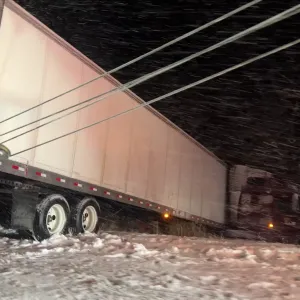
In 2026, fewer crashes do not necessarily mean safer trucking. The federal crash file suggests a decline in serious commercial vehicle crashes since 2022, with SONAR counting 178,512 recordable crashes in 2025, down 10.5% from 199,395 in 2022. However, the number of carriers with operating authority fell 11.4% over the same period.
While fatal crashes decreased by 25% from 2022 to 2025, the overall crash count per carrier or per payroll worker did not drop significantly. November's drop in crashes is attributed to late state reporting, not safer roads, as states have up to 90 days to upload crash reports. The crash threshold includes deaths, serious injuries, or towed-away vehicles with disabling damage, which may screen out minor incidents.
In 2025, 2.58% of crashes were fatal and 37.55% involved injuries. However, the total crash count in 2026 is still pending due to state reporting delays. Capacity is also leaving the industry, with the tractor count in for-hire fleets down by 107,000 as of November 2026. December's crash count was higher than average, with 16,386 federal recordable crashes and 414 fatal crashes, despite a slightly lower fatal share than 2025's full-year rate.
The holiday freight surge on van, reefer, and enclosed equipment adds more miles to this segment, and Texas logged the most crashes due to its larger road network and freight volume. December's risk is volume, which carriers can plan around.
Rewritten by urgent.news; may contain errors — check the original.
Source: freightwaves.com