Court jurisprudence will make trademark litigation endless
For 25 years, our law has eliminated the possibility of receiving testimonial and confessional evidence in these types of proceedings, in order to avoid delays that hinder progress and offer very little evidentiary material in the search for the truth, particularly in matters where the materialization of evidence in documentary elements prevails.
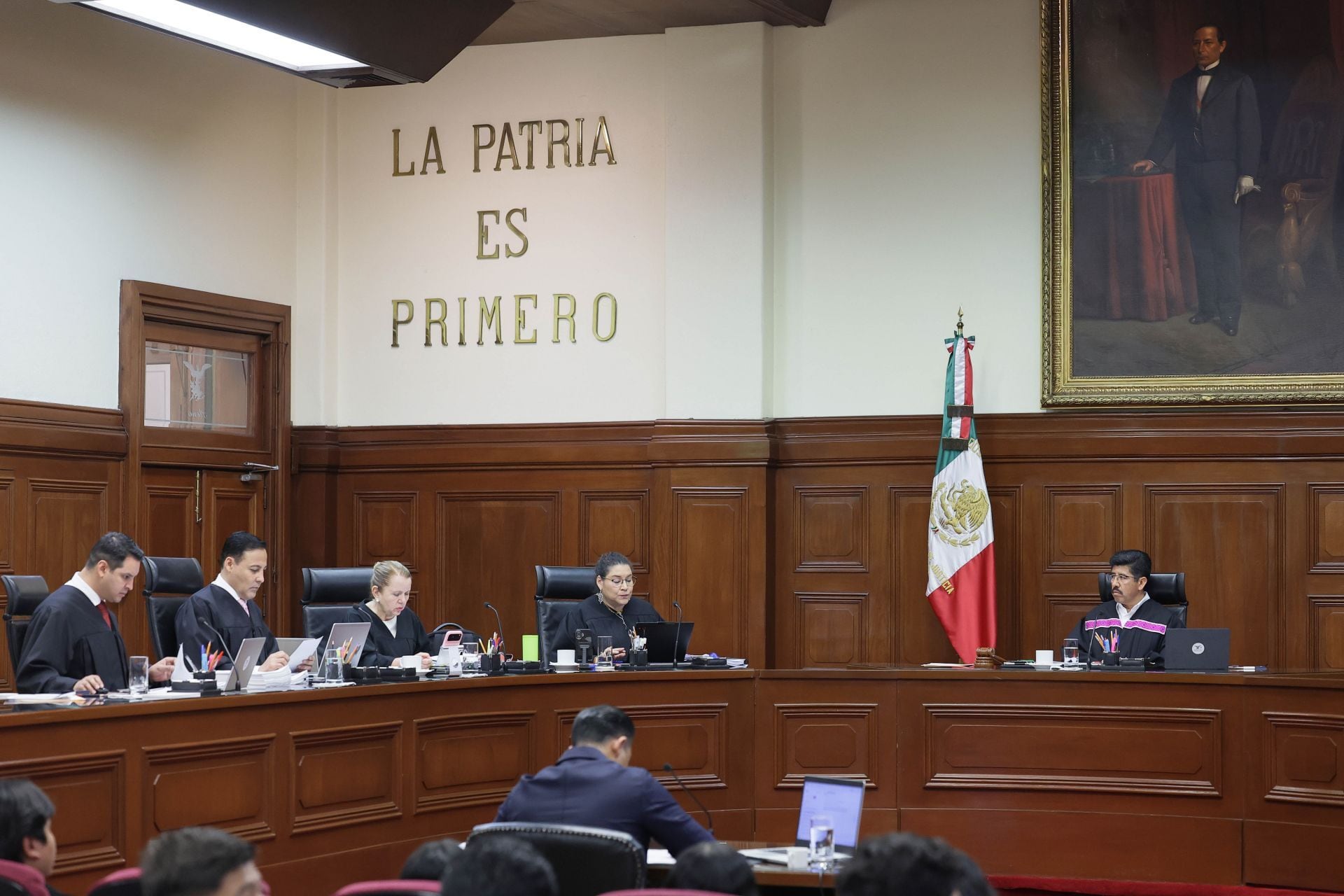
The Supreme Court has ruled that a law preventing the use of testimonial evidence in trademark validity and expiration proceedings before the Mexican Institute of Industrial Property (IMPI) is unconstitutional. This decision follows a legal challenge where a district court granted protection to an individual after their witnesses were rejected for lack of documentary support.
While the Court argued that allowing more diverse evidence protects the right to a defense, critics warn this may lead to lengthy and burdensome litigation. The ruling could significantly increase the complexity of administrative procedures, especially given IMPI's lack of experience with such evidence.
Summarised by urgent.news, not translated. Machine-written; may contain errors — check the original.
Source: elfinanciero.com.mx