Jurisprudencia de la Corte volverá interminables los litigios de marcas
Desde hace 25 años, nuestra ley eliminó la posibilidad de recibir pruebas testimoniales y confesionales en este tipo de procedimientos, a fin de evitar demoras que entorpecen el avance y ofrecen muy poco material probatorio a la búsqueda de la verdad, particularmente en temas en los que domina la materialización de las pruebas en elementos documentales.
The upcoming indeterminacy in trademark litigation will prolong legal disputes, according to a recent Court ruling. Two primary cases frequently emerge before the IMPI regarding the validity or continuity of a trademark registration. The first involves potential invalidity due to prior use or prior registration of a similar or identical mark, while the second group comprises suits for lapsed trademarks not in use.
On average, such disputes could consume at least three years, including appeals against IMPI decisions. A recent Court decision threatens to significantly disrupt this timeframe. In a case involving a claim of lapsed registration for lack of use, testimonial evidence was dismissed for lack of documentary support. For the past 25 years, Mexican law has prohibited testimonial and confessional evidence in such proceedings to prevent unnecessary delays and provide limited probative value.
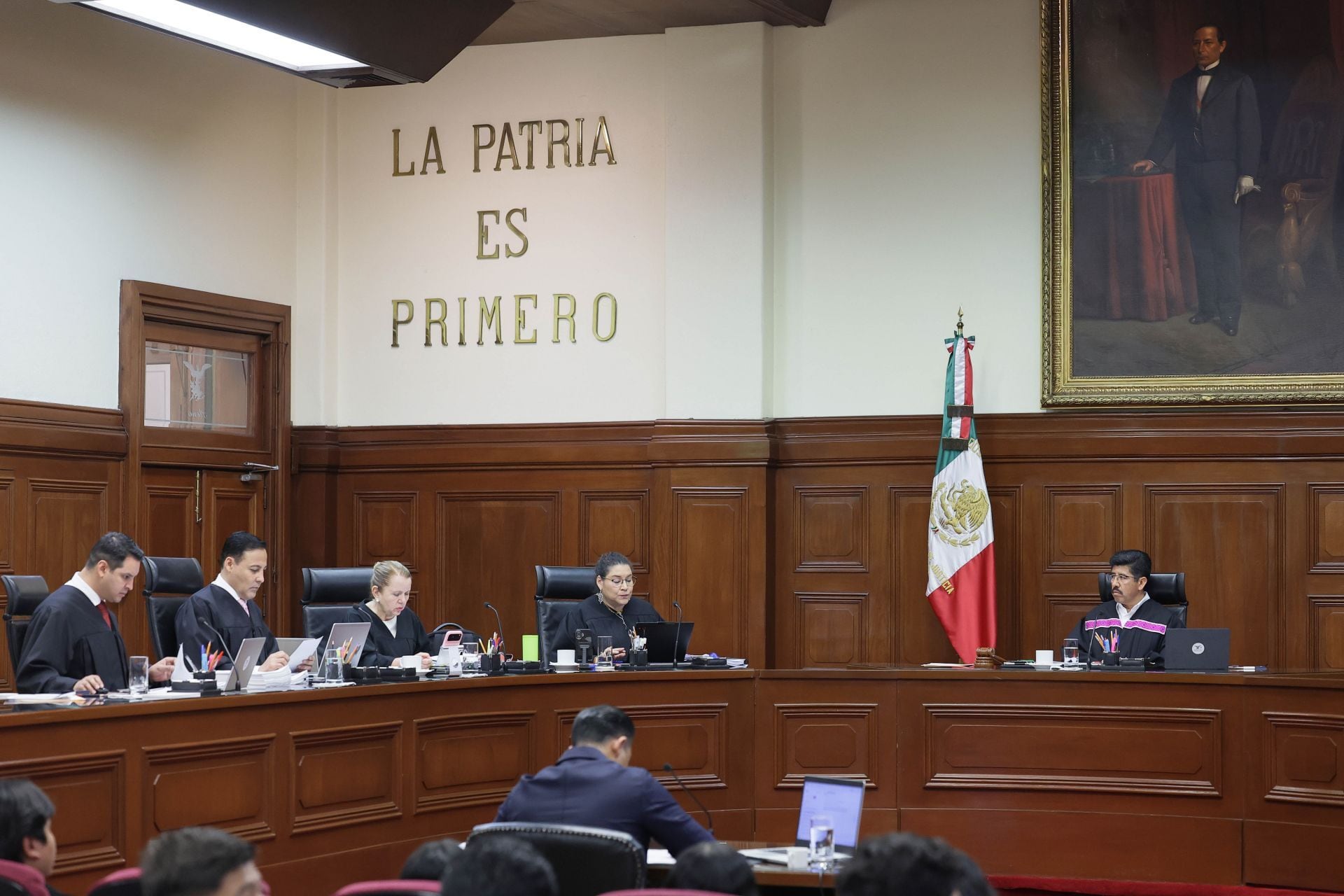
The affected party challenged the constitutionality of the relevant article in court, arguing it restricted their ability to effectively prove and defend themselves. The district court granted the injunction, and the case was appealed to the Supreme Court, which ruled 6-3 that the article is unconstitutional. The Court justified its decision, stating that individuals have the right to prove or disprove facts that carry legal consequences, and administrative procedures should aim to obtain the most complete set of evidence possible, considering that authorities' errors in determining facts diminish with more information.
Supposing the admission of testimonial evidence only if it's documented is incompatible with the right to a hearing because it undermines the defense that individuals can present in administrative proceedings that could lead to a negative act on their trademark rights. The jurisprudence resulting from this Court decision marks a clearly "protective" trend, emphasizing the principle of certainty in any legal procedure that must rely on the greatest number of proofs to resolve justly.
However, the requirement of testimonies will lead to cumbersome and interminable procedures, mainly benefiting fraudsters and counterfeiters. Imagine a case involving an offense committed in Tijuana that ends up in the IMPI, requiring notification of witnesses in that location, or requiring them to appear in Mexico City, or relying on local authorities to provide their statements.
Even if digital means were accepted as valid, the issue would become a significant burden in so-called "summarized" disputes. The uncertain landscape following this Court decision must be added to the IMPI's lack of experience in handling such a proof. Much remains to be seen in the coming months.
Rewritten by urgent.news; may contain errors — check the original.
Source: elfinanciero.com.mx