Africa's clothing industry opportunity is bigger than AGOA
The duty-free arrangement is a boon but the unpredictability of US trade policy should encourage African suppliers to look elsewhere.
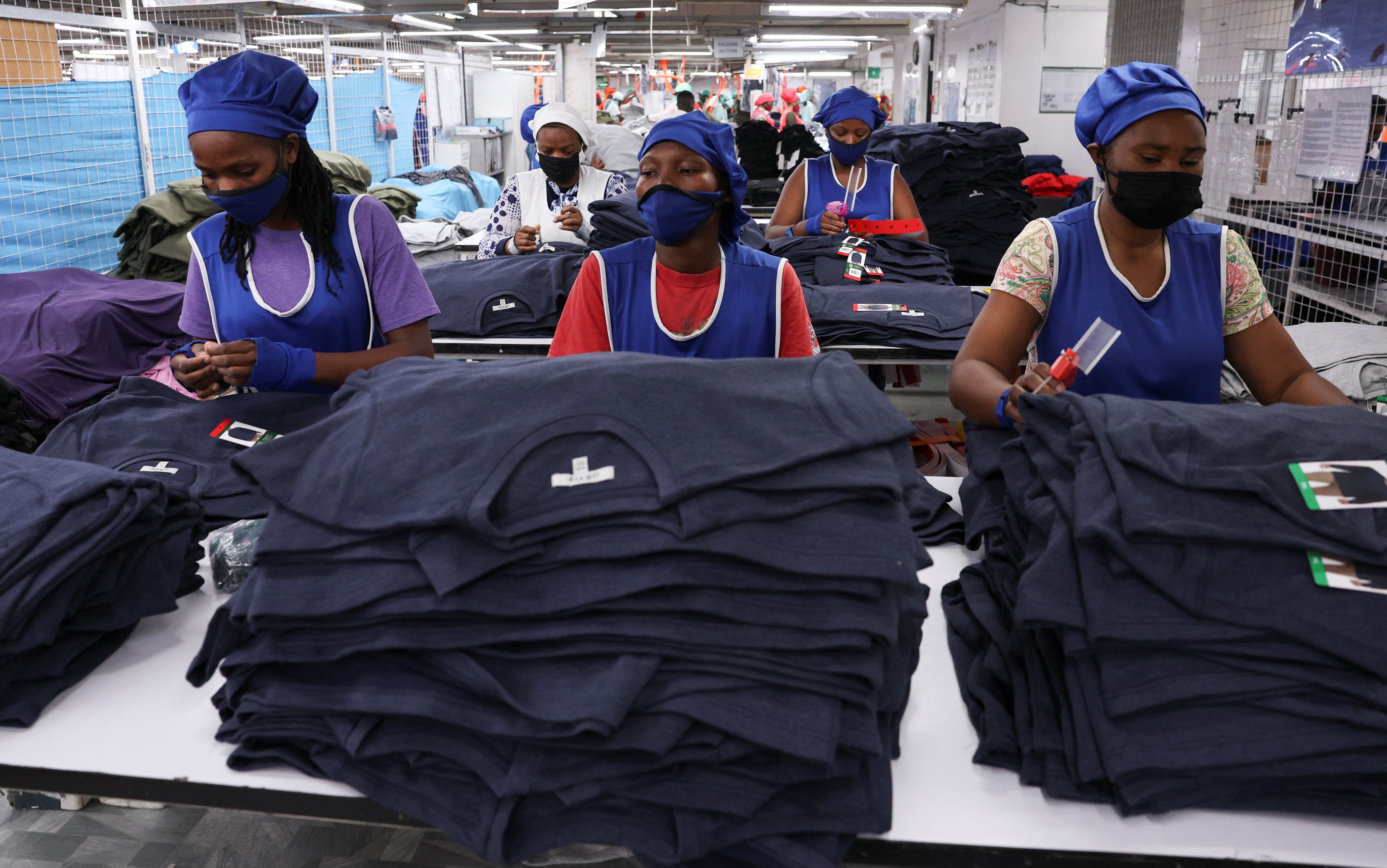
Africa's clothing manufacturing sector is poised for growth, presenting an attractive opportunity for global brands seeking to diversify their supply chains away from China. While preferential trade access under the African Growth and Opportunity Act (AGOA) has helped improve prospects for African manufacturers, the extent to which African economies can capture a lasting share of global manufacturing will depend on more than just trade preferences.
Despite China's dominance in global clothing manufacturing, its position has weakened over the past 15 years as brands seek alternative sourcing options. Several African countries have emerged as promising alternatives, thanks in part to AGOA, which grants duty-free access to the US market for eligible sub-Saharan African countries, including clothing.
Lesotho, Madagascar, and Mauritius have particularly benefited, ranking fourth and sixth respectively in a recent Coface ranking of countries well-positioned to expand their role in global apparel and footwear manufacturing. However, African manufacturers must acknowledge the limitations of relying solely on AGOA. The program is a unilateral US initiative that allows Washington to withdraw benefits from countries that fail to meet economic, governance, and foreign policy criteria.
For example, South Africa and Rwanda were recently excluded from AGOA eligibility, highlighting the need for African nations to diversify their export markets. One attractive option is to strengthen trade ties with the European Union, the world's largest clothing consumer market, to mitigate exposure to unpredictable US trade policy.
Moreover, Africa's manufacturing prospects extend beyond AGOA. Countries like Morocco and Tunisia, which have never benefited from the program, also feature in the top 20. Rwanda's continued presence in the ranking, despite losing preferential treatment under AGOA in 2018, underscores the importance of other factors such as labor costs, logistics, social stability, and production capacity.
While AGOA continues to help attract manufacturers, it cannot guarantee long-term retention. The real opportunity lies in building industries that international brands choose for their commercial competitiveness, rather than relying solely on tariff advantages. South Africa's exclusion from AGOA presents an opportunity for the country to find new markets. President Cyril Ramaphosa has recognized this potential.
Rewritten by urgent.news; may contain errors — check the original.
Source: semafor.com