China says Japan must take back its words on Taiwan after Takaichi APEC snub
China was perceived to have snubbed Japanese PM Takaichi at the recent APEC summit.
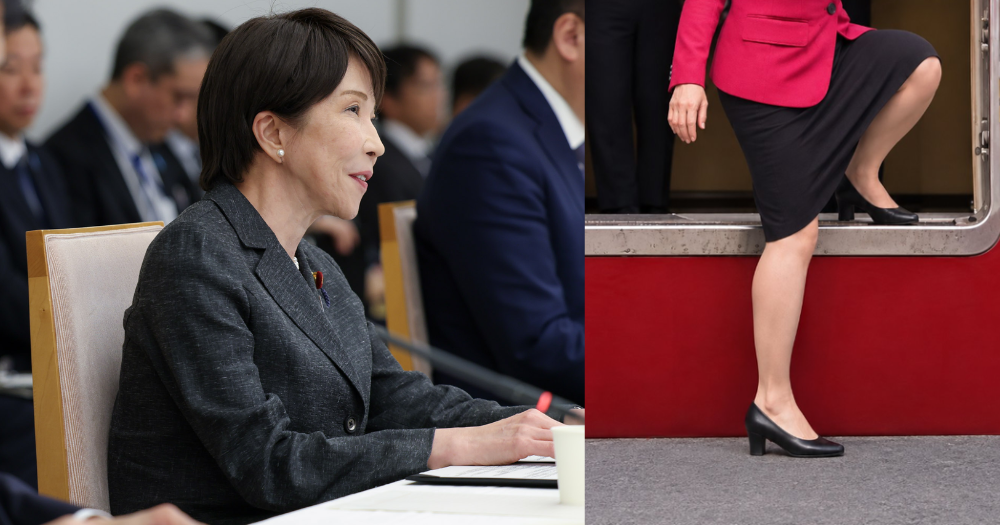
China has urged Japan to revise its stance and rectify its statements regarding Taiwan. The Chinese Foreign Ministry spokesman, Guo Jiakun, emphasized on November 20 that the priority for Japan should be correcting its erroneous words and actions concerning the Taiwan issue. Guo highlighted the necessity to adopt an appropriate attitude towards historical matters and to foster a rational comprehension of China.
The remarks were made in response to Japanese Prime Minister Sanae Takaichi's visit to Shenzhen for the 33rd Asia-Pacific Economic Cooperation (APEC) summit. Takaichi had earlier proposed in 2025 that Japan might intervene in the event of a China-initiated attack on Taiwan, describing it as a "survival-threatening situation." This comment sparked significant diplomatic tensions, leading China to impose a ban on Japanese seafood products and advising its citizens to avoid travel to Japan.
China had also cautioned the United Nations (UN) that it would employ its right to self-defense if Japan attempted military intervention in Taiwan.
At the APEC summit, China was perceived to have slighted Takaichi. Reports indicated that she was received by lower-ranking officials in Shenzhen and did not receive the elaborate ceremonies given to other global leaders. Video footage showed Takaichi struggling to descend from the plane due to an apparently significant gap between the plane's door and the boarding stairs, leading to speculations that this was a deliberate act by China.
South Korean media suggested that China had deliberately arranged the uncomfortable aircraft stairs for Takaichi.
Notably, Takaichi was not granted a formal meeting with Chinese President Xi Jinping. Takaichi explained on November 19 that engaging in dialogue and maintaining communication was crucial due to the ongoing issues and challenges between Japan and China. Despite shaking hands for 11 seconds, with Takaichi speaking a few words, Xi did not respond.
The song played during the welcoming banquet in Shenzhen, identified as the 1961 Japanese hit "Ue o Muite Arukou" or "Sukiyaki," was analyzed by The New York Times. This song originated from protests against the American military presence in Japan.
Rewritten by urgent.news; may contain errors — check the original.
Source: mothership.sg