An American Tail captured something universal about the immigration experience
40 years ago, the family-friendly animation An American Tail depicted the somber realities of moving to a new country.
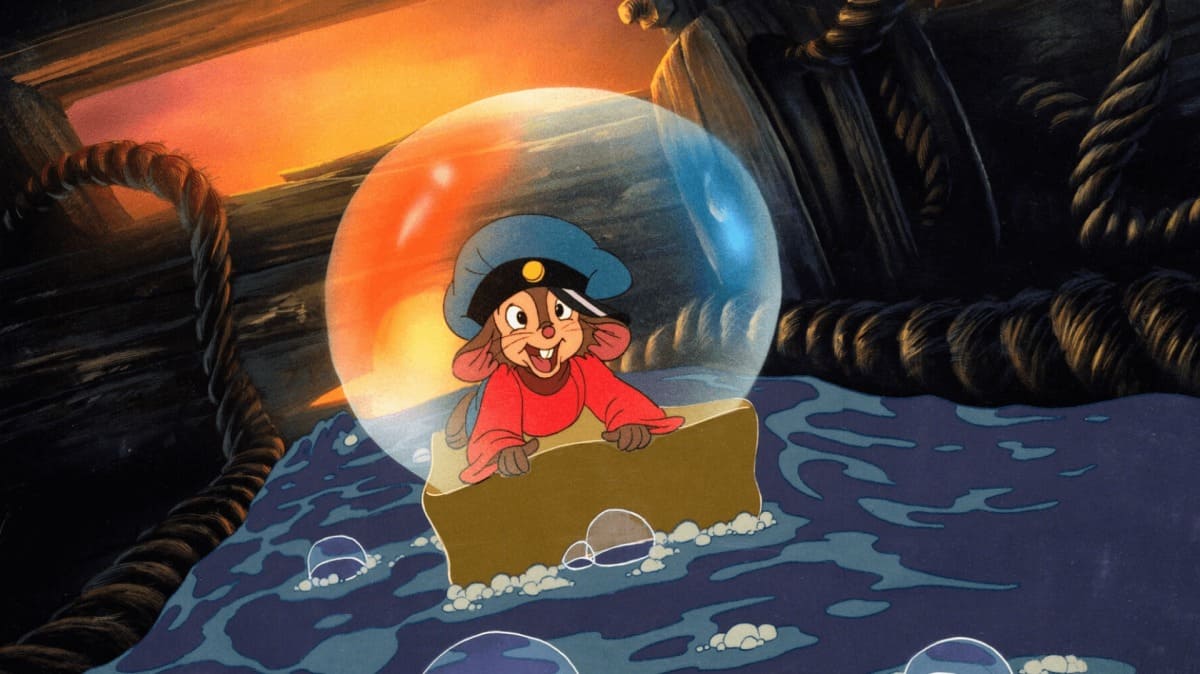
In 1986, during Thanksgiving week, an animated film titled An American Tail made its debut, alongside a Star Trek sequel and a re-release of Disney's Song Of The South. This unique film, featuring talking mice as its protagonists, told a story vastly different from Mickey Mouse adventures or James Bond's The Great Mouse Detective.
Instead, it delved into the grim reality of immigrant experiences, following a family of mice who fled persecution in Russia, embarked on a dangerous journey to the United States, and sought to build a life in the city they believed promised "streets paved with cheese."
The film was dark, gritty, and emotionally resonant, portraying the Mousekewitz family's struggle as they adapted to their new environment, which was far from the utopian dream they had envisioned. They found themselves in a dirty, cramped, and perilous urban landscape plagued by cats and swindlers, far removed from the idealized American Dream.
Fievel Mousekewitz, played by Phillip Glasser, was separated from his family during a storm at sea and must navigate the treacherous journey back to them while dealing with the harsh realities of immigrant life in New York City.
Steven Spielberg, who executive produced the film, drew inspiration from his own family's experience as an immigrant, giving the main character Fievel his grandfather's Yiddish name. Former Disney animator Don Bluth was commissioned to bring the film to life, infusing it with the moody palettes and somber themes of his earlier work, The Secret Of NIMH.
Bluth's vision was not a romanticized depiction of the past but a raw and honest portrayal of the period, featuring the various immigrant groups that arrived in the late 1800s, including Jewish, Irish, and Italian communities, as well as corrupt politicians and the challenges faced by labor organizers.
While the film was aimed at a younger audience, it delivered a powerful message about the immigrant experience, resonating deeply with viewers like the author of this account, who grew up hearing stories of their own family's journey to the United States. An American Tail captures the essence of displacement, fear, and the hope for a better life that many immigrants face, all while maintaining a sense of optimism and the importance of community.
As the film celebrates its 40th anniversary, it takes on a new level of poignancy, reflecting on the current challenges faced by immigrants, such as ICE raids and deportations, and highlighting the importance of empathy and understanding in building a more inclusive society.
Rewritten by urgent.news; may contain errors — check the original.
Source: avclub.com