Donald Trump’s Crackdown on International Students Is Working
Courts have blocked some of the harshest restrictions proposed by the Administration, but international enrollment—and interest from students abroad—has dropped anyway, leaving schools such as the University of Illinois in a precarious position.
Donald Trump's administration has taken aggressive measures against international students, which has had a significant impact on campuses across the United States. In mid-2025, the U.S. Department of Homeland Security revoked the legal status of thousands of foreign students, citing criminal records checks and suspending entry for those seeking to attend prestigious institutions like Harvard.
Secretary of State Marco Rubio vowed to aggressively revoke visas for Chinese students, particularly those with connections to the Chinese Communist Party or studying in critical fields.
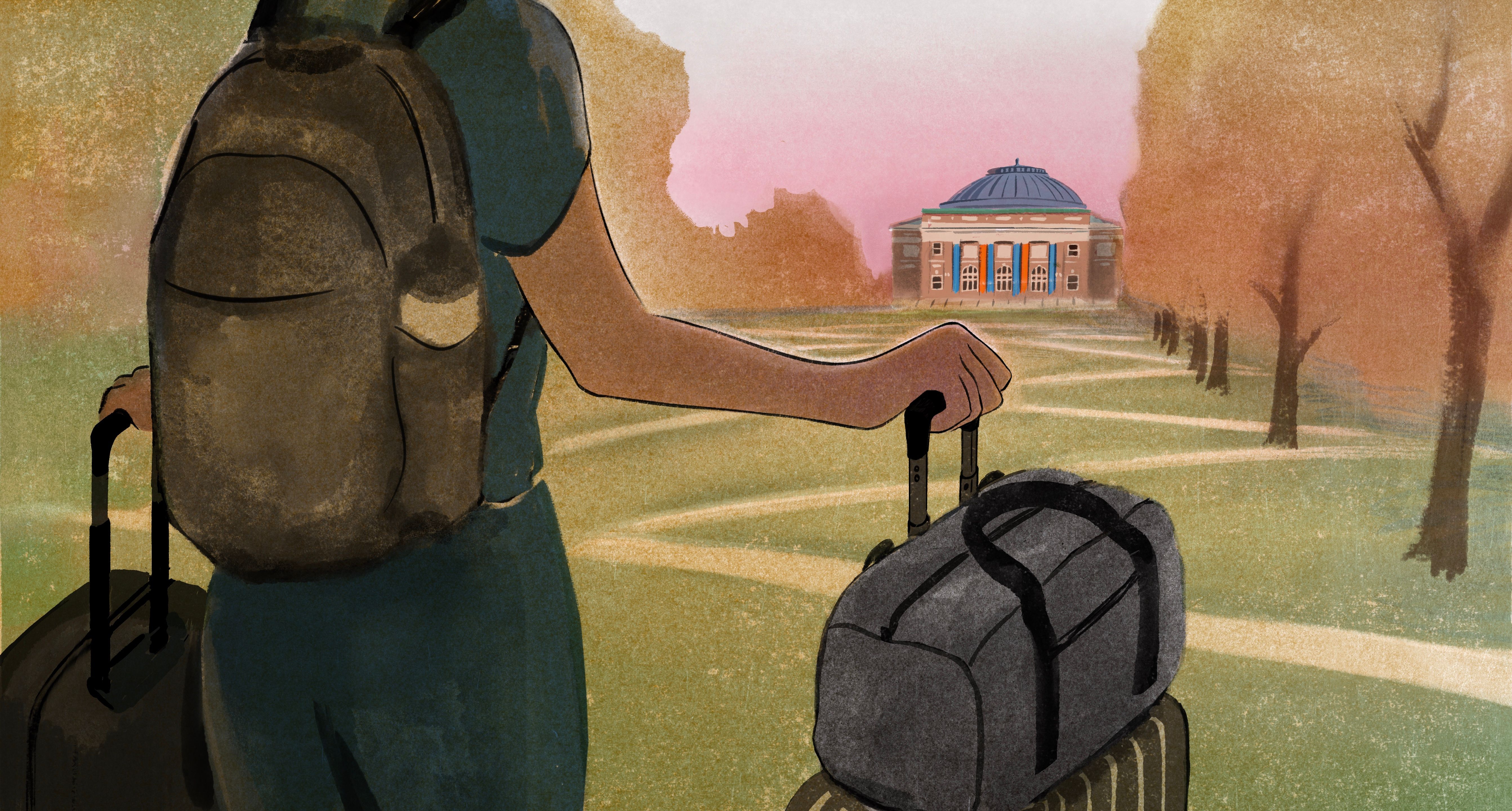
The University of Illinois in Urbana-Champaign, which houses nearly eighteen thousand international students, became a focal point of the crackdown. In March, the House's China select committee sent a letter to the university's president, Timothy Killeen, expressing concerns about Chinese students posing a national security risk. The letter requested information on the students' tuition sources, lab work, and areas of study, particularly in fields like quantum computing and artificial intelligence.
Racheal Liu, a nineteen-year-old engineering major from Shanghai, arrived at the university the previous fall and initially faced concerns over the visa restrictions. However, she quickly immersed herself in campus life, joining a sorority, serving as an officer in the Chinese Students and Scholars Association, and making the dean's list in her engineering program.
Liu currently resides in an apartment with three other Chinese students on Green Street, the historic main drag of the university. While enjoying a vibrant social life as part of campus organizations, Liu remains cautious about the restrictions that limit her time outside the campus and interactions with American peers.
As the restrictions tightened, the decision to stay in the U.S. became less appealing for many international students. The administration announced that international students would be allowed to remain in the country for a maximum of four years instead of the duration of their status. This decision, coupled with legal challenges brought by higher-education organizations and labor unions, led to the University of Illinois Urbana-Champaign submitting testimony in support of immigrant rights.
The Pentagon also ordered thirty U.S. universities, including Illinois, to review their ties to hundred and thirty international research institutions, or face the loss of federal research funding.
Despite the crackdown, international students continue to make up twenty percent of the Urbana-Champaign campus enrollment. Liu believes that while the restrictions might deter some students from studying abroad, the U.S. remains an attractive destination for higher education.
Rewritten by urgent.news; may contain errors — check the original.