Wars and cost of living have pushed climate change off the priority list
We’re heading past 1.5 degrees. What will it take to put COP climate summits back on the global agenda?
The COP31 climate summit in Antalya, Turkey has seen climate change overshadowed by global conflicts and cost-of-living concerns. Large-scale wars in Iran, Ukraine, and Gaza have prompted discussions about energy security, indirectly reducing emissions. Meanwhile, the downfall of the liberal world order has shifted focus towards state security over global issues like climate change.
Australia, the COP31 president, has prioritized security partnerships like AUKUS at the expense of climate action spending. The Australian government has also provided more subsidies for fossil fuels than investments in renewable energy or electrification. Internationally, Australia has committed only $50 million to the Green Climate Fund, far less than its commitments to fossil fuel subsidies.
Cost-of-living issues, particularly in developed countries, have also pushed climate change down the domestic political agenda. In Australia, annual reports show increasing concerns about cost of living and decreasing support for strong climate action. The leaders summit at COP31 clashed with the Asia-Pacific Economic Cooperation (APEC) meetings, resulting in key world leaders prioritizing APEC over climate change.
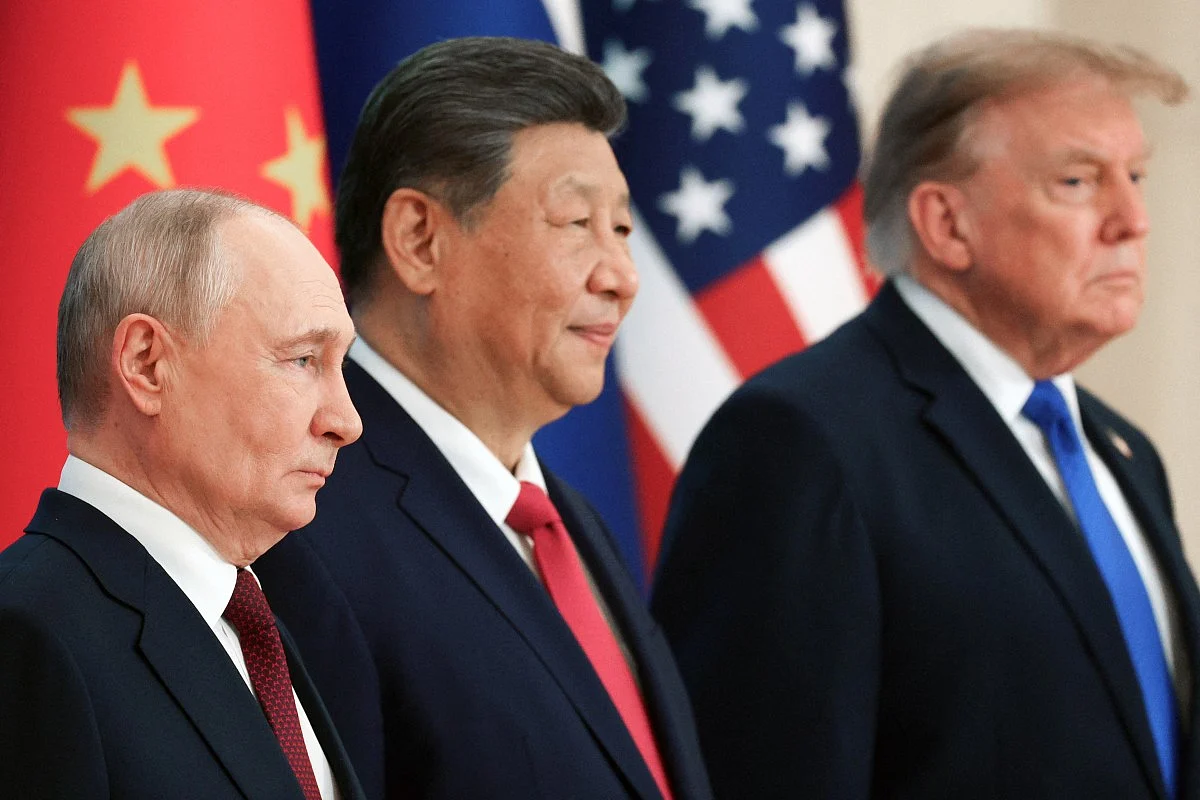
With China's leadership absent, crucial climate targets may be compromised. The COP31 summit may fall victim to the crowded agenda of global tensions and economic anxieties.
Written by urgent.news from The Conversation AU's reporting — not their text. Machine-written — may contain errors; check the original before relying on it.