Heart health in polluted cities: What you need to know about PM2.5 and microplastics
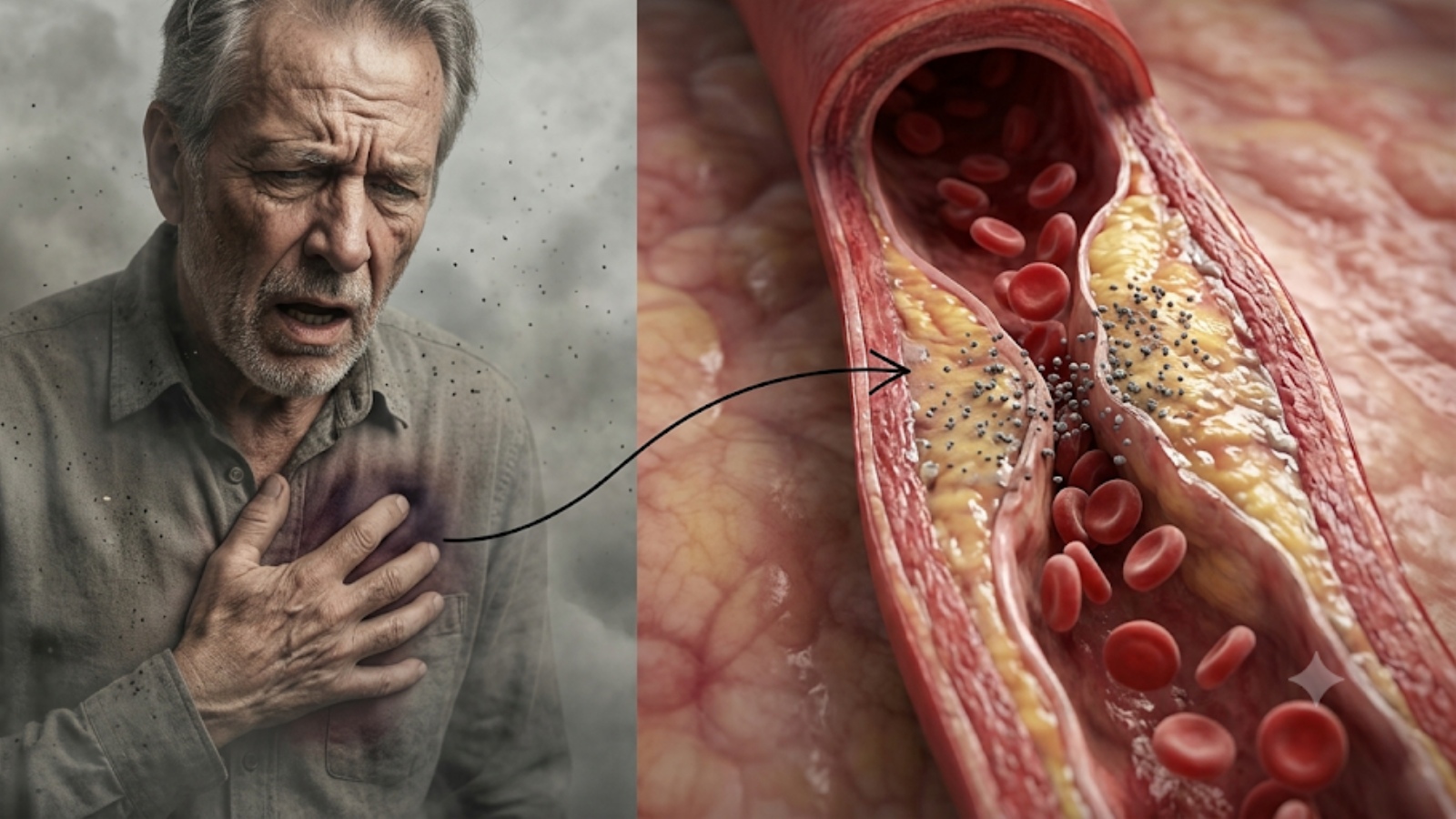
Cardiovascular health is becoming increasingly linked to exposure to air pollutants like fine particulate matter (PM2.5) and microplastics. While the impact on the lungs is well-known, emerging research suggests these tiny particles may silently damage the heart and blood vessels. An Italian study found microplastics in the blood supply to the hearts of certain patients.
PM2.5 and microplastics can trigger inflammation and oxidative stress in the body, potentially damaging blood vessels over time. PM2.5 enters the lungs and reaches the bloodstream, damaging blood vessels and promoting atherosclerosis. Microplastics, which can be inhaled or ingested, may also contribute to inflammation and oxidative stress.
The combined exposure to these pollutants may increase the risk of cardiovascular events by causing endothelial dysfunction and damaging arteries. However, the exact interaction between these exposures in humans is still being studied.
Dr Sukriti Bhalla, a cardiologist, explains that persistent inflammation can weaken the fibrous cap covering arterial plaque, potentially making it more likely to rupture and cause a heart attack or stroke. However, the presence of microplastics does not directly prove they cause plaque rupture or clot formation. More research is needed to establish a direct cause-and-effect relationship.
Air pollution affects everyone, not just those with pre-existing heart conditions. Prolonged exposure to PM2.5 can trigger chronic inflammation and oxidative stress, damage blood vessels, and contribute to high blood pressure, potentially leading to heart attacks, strokes, and other cardiovascular complications.
While maintaining a healthy lifestyle cannot completely offset the effects of long-term air pollution, there are steps individuals can take to protect their heart. Monitor air quality levels and avoid outdoor activities during high pollution periods, wear a well-fitted mask when outside, improve indoor air quality with HEPA air purifiers, and limit exposure to indoor pollutants like incense smoke and tobacco.
To reduce microplastic exposure, avoid heating food in plastic containers, use glass or stainless-steel containers, limit single-use plastics, manage cardiovascular risk factors through regular monitoring and medical guidance, and maintain a healthy lifestyle with a balanced diet and regular exercise.
Written by urgent.news from The Indian Express's reporting — not their text. Machine-written — may contain errors; check the original before relying on it.