The surprising cancer connection at the heart of Alzheimer's
People say "the body keeps score"—but it might be more accurate to say our neurons do. In healthy people, neurons accumulate about 17 single-nucleotide variants each year, a pattern that holds from birth through a person's final years, according to research from HHMI investigator Chris Walsh and others.

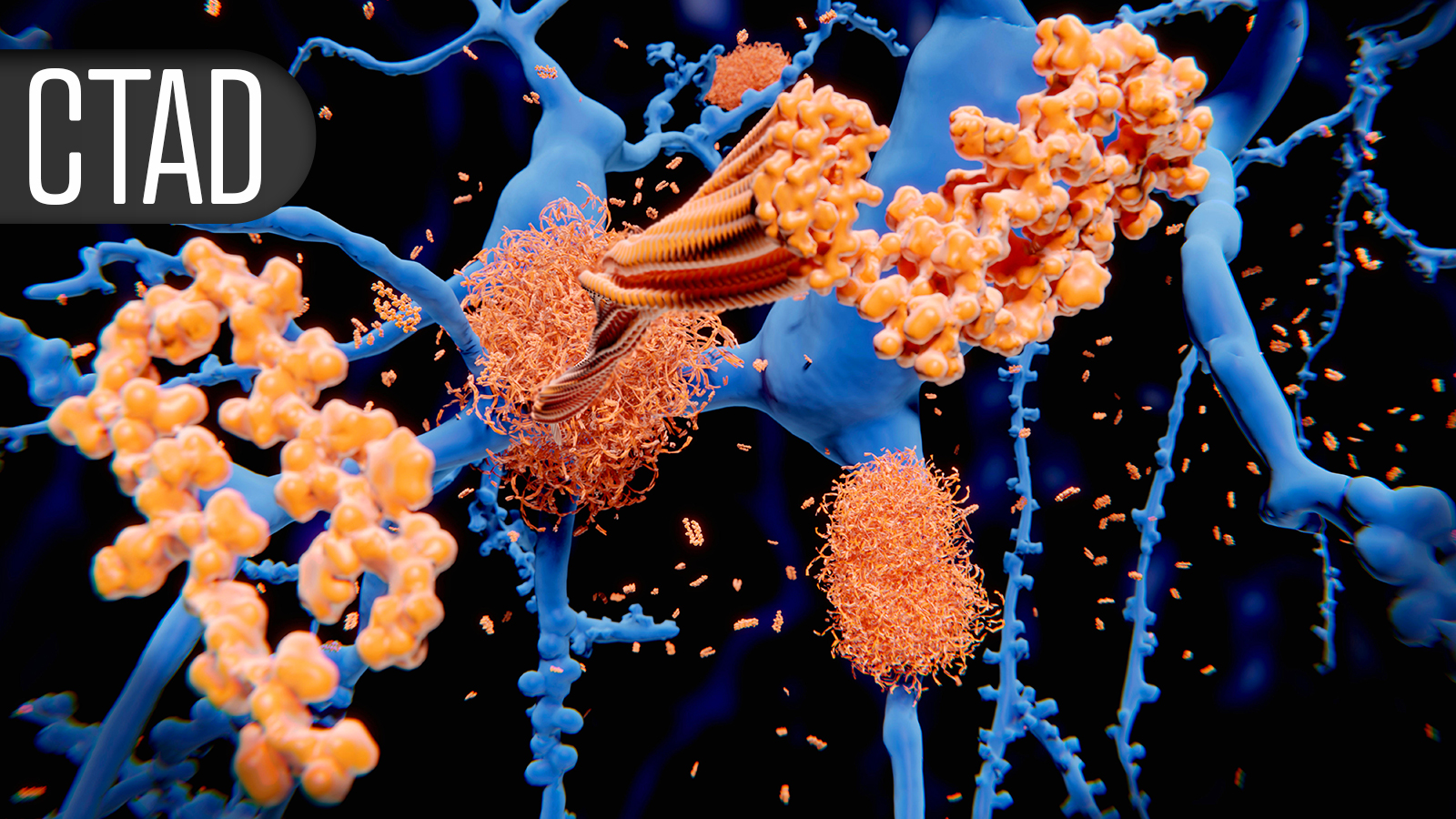
The accumulation of mutations in neurons is a key factor in Alzheimer's disease, according to research from HHMI investigator Chris Walsh and his team at Boston Children's Hospital. In healthy individuals, neurons acquire around 17 single-nucleotide variants each year, creating a precise clock that can reveal a person's age. However, in Alzheimer's patients, these clocks are broken and often smashed, with neurons carrying thousands of mutations that would normally take centuries to accumulate in a normal brain.
These damaging mutations were initially discovered in cancer-related RAS variants in neurons that rarely form tumors. This discovery led Walsh to investigate whether these same mutations could cause dementia in Alzheimer's patients. His team examined postmortem brain tissue from Alzheimer's patients and found cancer-driving mutations not only in neurons but also in microglia, the brain's immune cells. This suggests that cancer-like mutations could be driving microglia to cause dementia in Alzheimer's disease.
The researchers also found these cancer-driving mutations in the blood of Alzheimer's patients, suggesting that these mutations begin in the body and travel to the brain via cells that can cross the blood-brain barrier. This finding may help explain why exercise, which reduces cancer-related mutations in the blood, could be a protective factor against Alzheimer's.
Another mechanism contributing to neurodegeneration in Alzheimer's patients is the presence of frequent, brief insertions and deletions of DNA, known as indels. These indels were found in coding regions, promoters, and enhancers, where they could cause significant harm. The indels were concentrated in the cerebral cortex, which is ravaged by Alzheimer's disease, but not in the cerebellum, which is spared. This suggests a direct link between these indels and neurodegeneration in Alzheimer's patients.
These findings suggest that the genome's evolution, rather than just genetic risk factors, may play a significant role in Alzheimer's disease. Walsh believes that a simple blood test could potentially flag Alzheimer's risk years before symptoms appear, allowing for earlier and less invasive diagnostic tools. Additionally, targeting these cancer-driving mutations directly, rather than clearing amyloid as many current drugs attempt to do, could be a more effective treatment strategy.
The same RAS-pathway mutations found in Alzheimer's microglia are targets of cancer drugs already in clinical use, offering a promising avenue for developing new treatments for this devastating disease.
Written by urgent.news from Medical Xpress's reporting — not their text. Machine-written — may contain errors; check the original before relying on it.