Light-activated nanoparticles may help treat head and neck cancer
For patients with head and neck cancer, treatment can come at a high cost to their quality of life, affecting their ability to speak, swallow and even breathe due to invasive procedures. Now, Penn State researchers have developed a light-activated nanoparticle system with the long-term goal of shrinking tumors while limiting exposure to healthy tissue and improving patients' quality of life after…

Head and neck cancer patients often endure significant quality of life impacts due to invasive treatment methods. Penn State researchers have developed a novel light-activated nanoparticle system aimed at shrinking tumors while minimizing harm to healthy tissue and enhancing patients' post-treatment quality of life.
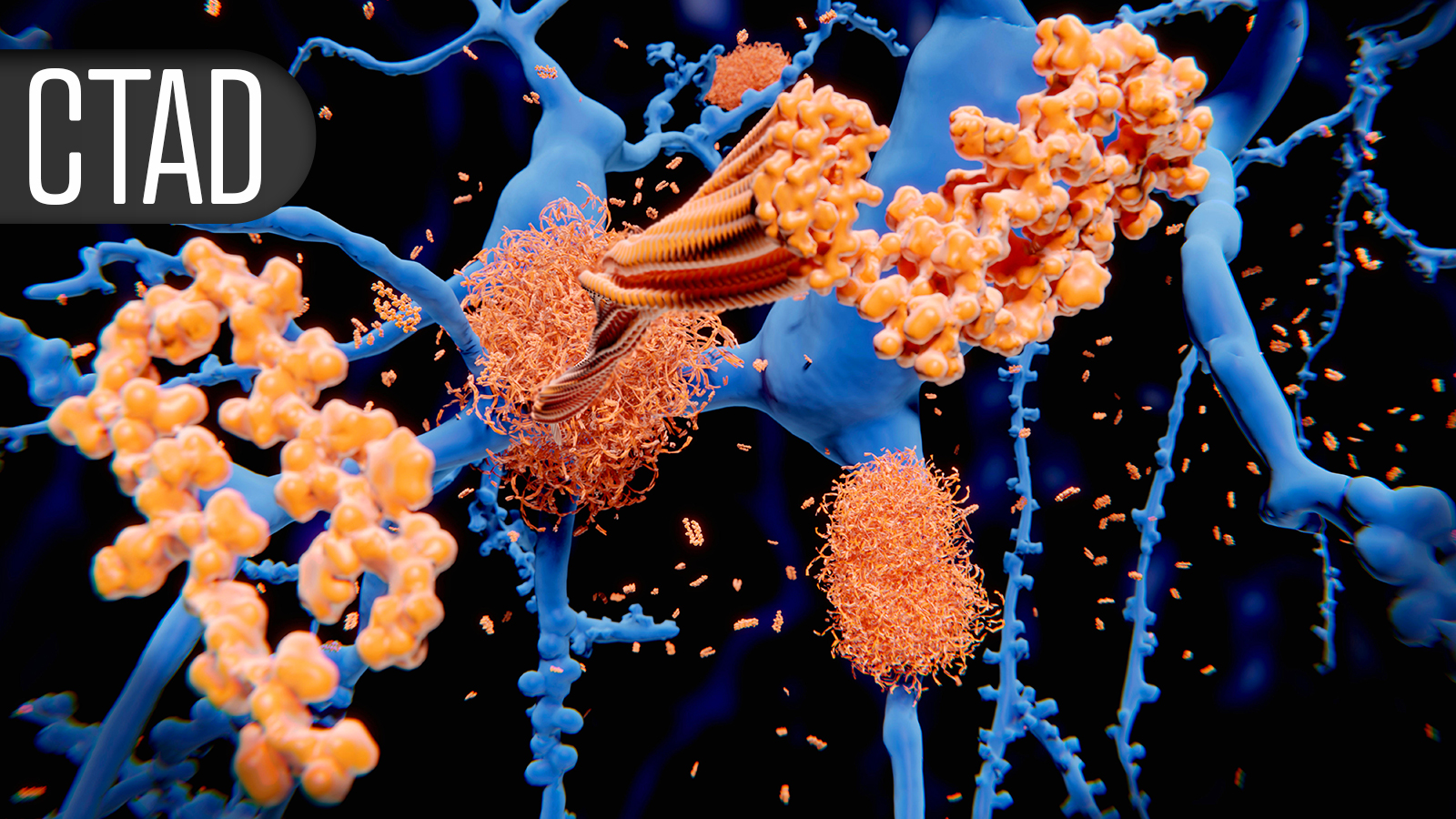
The technology, licensed to Illuminate Therapeutics, utilizes gold and silver nanoparticles to deliver a lab-made version of the microRNA-20a-5p molecule. These nanoparticles release the microRNA only when exposed to near-infrared light, enabling targeted control over its distribution within the body.
In mouse studies, a single dose of the nanoparticle system, followed by light activation, reduced tumor volume by approximately 95% within 48 hours. This approach could potentially preserve critical tissues and organs, such as the tongue or jaw, which are often affected during head and neck cancer treatment. By shrinking tumors before surgery, the technology may facilitate easier reconstruction and potentially improve patients' overall quality of life by reducing side effects from treatment.
The development of this technology stemmed from a challenge in delivering cancer therapies effectively without harming healthy areas of the body. The researchers' solution involves a precise control mechanism, converting light into localized heat that triggers the release of microRNA at the targeted site. Initial tests in human cancer cells and mouse models showed promising results, although further research and clinical trials are necessary to validate the technology's safety and efficacy in humans.
Written by urgent.news from Phys.org's reporting — not their text. Machine-written — may contain errors; check the original before relying on it.