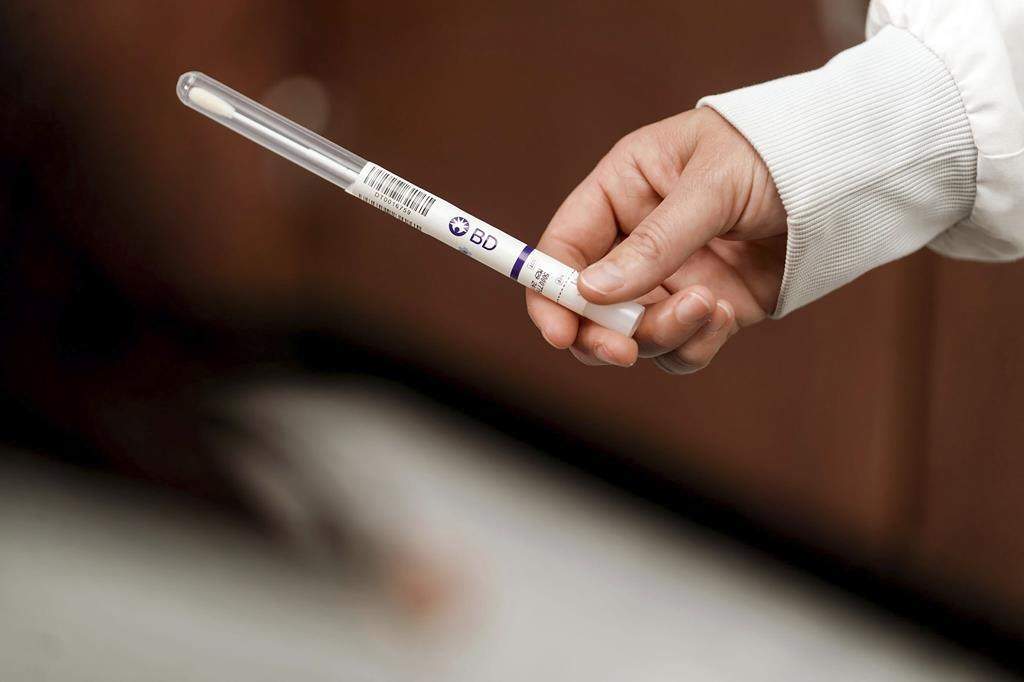
Blood Test May Detect CTE During Life, Study Shows
(MedPage Today) -- Detecting chronic traumatic encephalopathy (CTE) in living patients may soon be possible, according to preliminary data from a case series. CTE, a neurodegenerative disease associated with repetitive head impacts from contact...
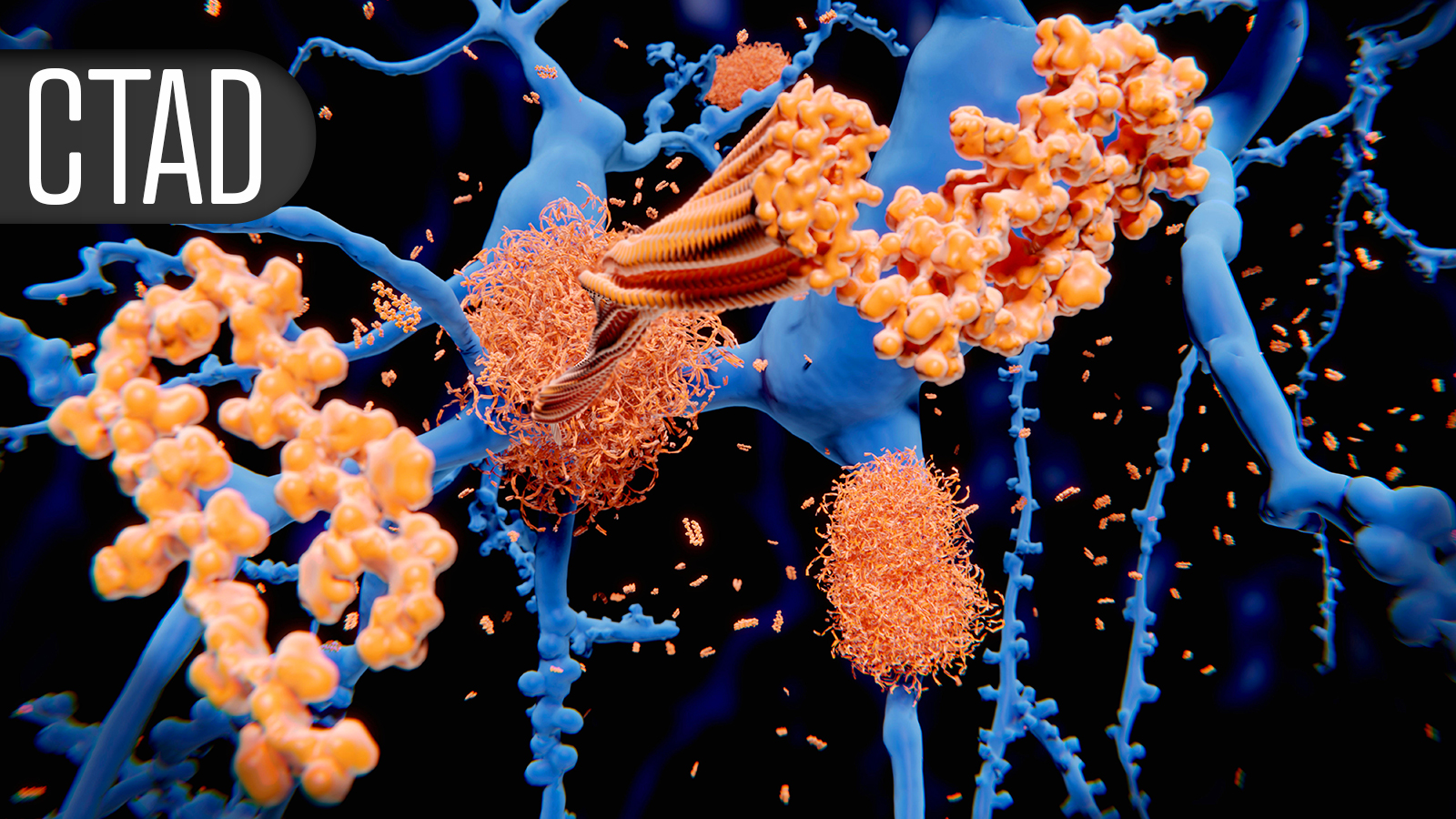
A blood test capable of detecting chronic traumatic encephalopathy (CTE) while an individual is still alive has shown promising results in a recent study. This groundbreaking discovery could pave the way for early detection and potentially life-saving interventions for those affected by the neurodegenerative disease linked to repetitive head impacts from contact sports.
The study, conducted by researcher Annalise Miner and her team at Boston University, analyzed blood levels of a specific protein called endogenously cleaved microtubule-binding region tau (eMTBR-tau) in 21 former American football players who had donated their brains for research. The findings revealed that CTE-positive participants had higher levels of eMTBR-tau compared to those without CTE (β=1.61, 95% CI 0.51-2.70).
The concentrations of eMTBR-tau were notably higher in players who had also exhibited Alzheimer's pathology at autopsy, while those with advanced stages of CTE without Alzheimer's pathology showed intermediate levels. Importantly, the blood test performed better in identifying high-stage CTE than low-stage or no CTE cases.
While the study focused on former American football players, the implications extend beyond this population. The blood test's accuracy in detecting CTE could open doors to clinical trials and treatment options for individuals suffering from the condition. However, researchers caution that this is still a small sample size and further studies are needed to validate these findings.
The study's co-author, Michael Alosco, emphasized the significance of this development, stating that if future research confirms these results, it would be a game-changer for the field. He highlighted the potential for this blood test to detect CTE with high accuracy and the subsequent opportunities it would present for clinical trials and therapeutic interventions.
The findings of this study align with a similar case-control study published in JAMA by researchers from Washington University in St. Louis. That study also identified elevated plasma eMTBR-tau in late-stage CTE and other tauopathies. Both studies support the biological relevance of this immunoassay in measuring key features of CTE.
While the discovery of this blood test is a significant step forward, experts emphasize that it is just the beginning. Carla Palleis and Günter Höglinger, both from LMU University Hospital in Munich, noted that a biomarker capable of identifying CTE-associated tau pathology could greatly benefit research, clinicopathological studies, and the evaluation of preventive and therapeutic interventions.
They also pointed out that detecting CTE at an early stage could be particularly valuable when clinical symptoms are nonspecific.
The potential for this blood test to improve the diagnosis of traumatic encephalopathy syndrome, a clinical syndrome associated with CTE, is another promising aspect of this research. However, future studies will need to determine whether eMTBR-tau can enhance the criteria for diagnosing traumatic encephalopathy syndrome and accurately identify individuals with CTE neuropathology, even in the presence of coexisting Alzheimer's disease.
Overall, this study represents a critical first step towards a comprehensive framework for detecting CTE through blood tests. The integration of plasma eMTBR tau with other established Alzheimer's biomarkers, such as p-tau217, could provide complementary information to aid in the diagnosis of CTE during an individual's lifetime.
As the research community continues to explore this promising avenue, there is a growing hope that this blood test will eventually lead to earlier detection, more effective treatments, and ultimately, a better understanding and management of CTE.
Written by urgent.news from MedPage Today's reporting — not their text. Machine-written — may contain errors; check the original before relying on it.