Leonid meteor shower thrills stargazers worldwide with colorful sky show (photos/video)
From colorful meteors to lingering trails, the Leonids put on a great show this year.
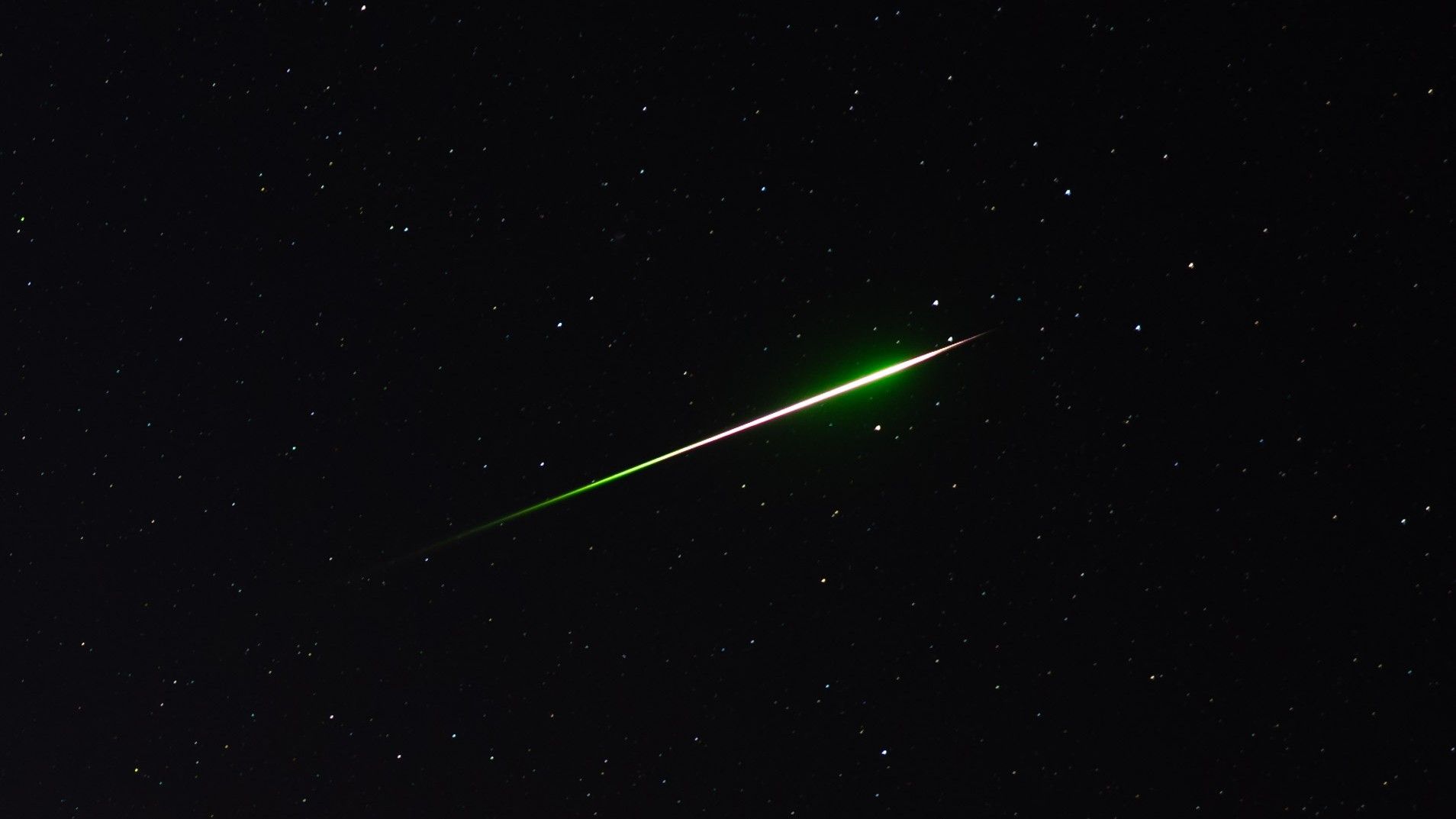
The Leonid meteor shower dazzled skywatchers around the globe with vivid streaks of light, as reported in photos and videos. This annual celestial event occurs when Earth traverses debris left behind by Comet 55P/Tempel-Tuttle, which orbits the sun roughly every 33 years. As fragments of comet material plunge into our atmosphere at speeds up to 44 miles per second, they incinerate, creating brilliant flashes of light.
This year marked the 60th anniversary of the legendary 1966 Leonid meteor storm, during which observers reported a staggering 40 meteors per second at peak activity. To commemorate this milestone, we spoke to those who witnessed the extraordinary spectacle firsthand, and you can find their accounts in our special feature.
Photographer Austin Rebello braved cold temperatures and foggy conditions to reach Nubble Lighthouse in York, Maine, to photograph the Leonids. He joined fellow astrophotographer Rob Wright, who managed to capture a particularly bright meteor's lingering trail for a remarkable 12 minutes, a phenomenon known as a persistent meteor train. This occurs when a bright meteor leaves behind a trail of ionized gas that continues to glow long after the meteor itself has vanished.
Meanwhile, photographer Greg Gage in Deming, New Mexico, faced cloud cover and fog during the meteor shower's peak, but still managed to capture a colorful Leonid meteor that exhibited multiple colors as it traversed the atmosphere. The meteor's vibrant display was particularly striking against the starry backdrop above Deming, creating a stunning visual experience for those lucky enough to witness it.
Written by urgent.news from Space.com's reporting — not their text. Machine-written — may contain errors; check the original before relying on it.