US AI chip curbs threaten Southeast Asia data centre boom, shares slump
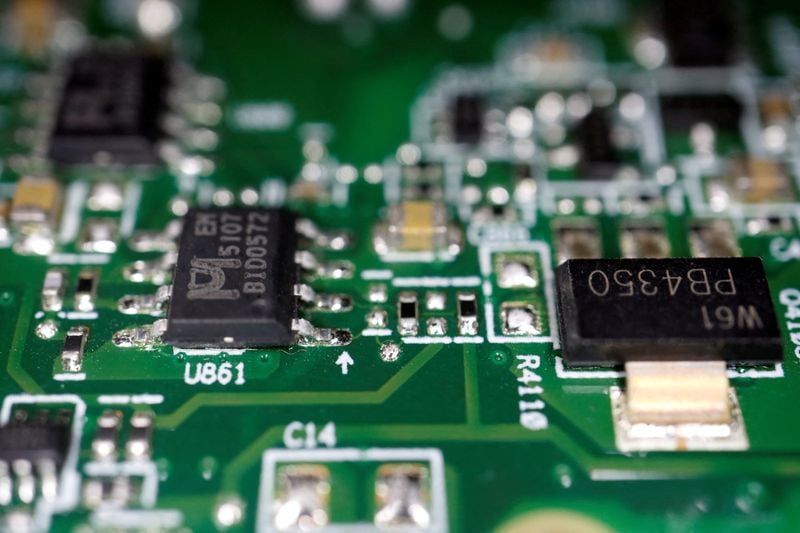
Shares of data center and chip supply chain companies in Southeast Asia fell sharply on Tuesday as new US restrictions on advanced chip exports threatened the region's $100 billion-plus AI industry, a key driver of economic growth. The US rule limits shipments of advanced chips to major economies like Malaysia, Singapore, and Thailand, which Chinese companies have used to access computing power for AI model training.
It also imposes new requirements on overseas data centers providing significant computing power to Chinese firms. Chinese AI developers can no longer bypass hardware embargoes by renting US compute power from overseas data centers. Neil Shah, a VP at Counterpoint Research, said the regulatory burden has shifted from hardware manufacturers to cloud service providers and enterprises, with data center firms facing massive "Know Your Customer" requirements.
Shares in Malaysia's MN Holdings and Critical Holdings fell nearly 20%, while YTL Power, an Nvidia partner on AI infrastructure, dropped almost 10%. Overseas data center operators reliant on Chinese customers could face weaker utilization, pricing pressure, and delayed expansion. Chinese AI developers may face rising costs and slower development timelines.
The selloff extended to data center material suppliers and semiconductor-related stocks across China, South Korea, Japan, and Taiwan. However, SMIC, China's top contract chipmaker, saw a 7% jump. The new rule identifies Singapore, Thailand, Malaysia, Indonesia, and Brazil as countries with an unacceptable risk of chip diversion, requiring shipments of covered chips to obtain US export licenses.
This measure comes after Nvidia CEO Jensen Huang's resignation amid allegations of an affair with a suspected Chinese spy who worked at an Nvidia partner in Singapore. Southeast Asia has become one of the fastest-growing data center markets, attracting billions in investment as global tech companies race to build AI capacity.
Written by urgent.news from Investing.com's reporting — not their text. Machine-written — may contain errors; check the original before relying on it.
This story
This is one outlet's version. Read the fullest account.