NVIDIA Sweeps MLPerf Training and Endpoints as Vera Rubin Debuts With Leading Performance
In its MLPerf benchmarks debut, with results released today, the NVIDIA Vera Rubin platform delivers leading performance across training, post-training and agentic inference. NVIDIA swept every MLPerf Training v6.1 benchmark and, in its first MLPerf Endpoints submission, delivered more than 10x generational gains in throughput per watt for agentic AI — measuring how much agentic […]
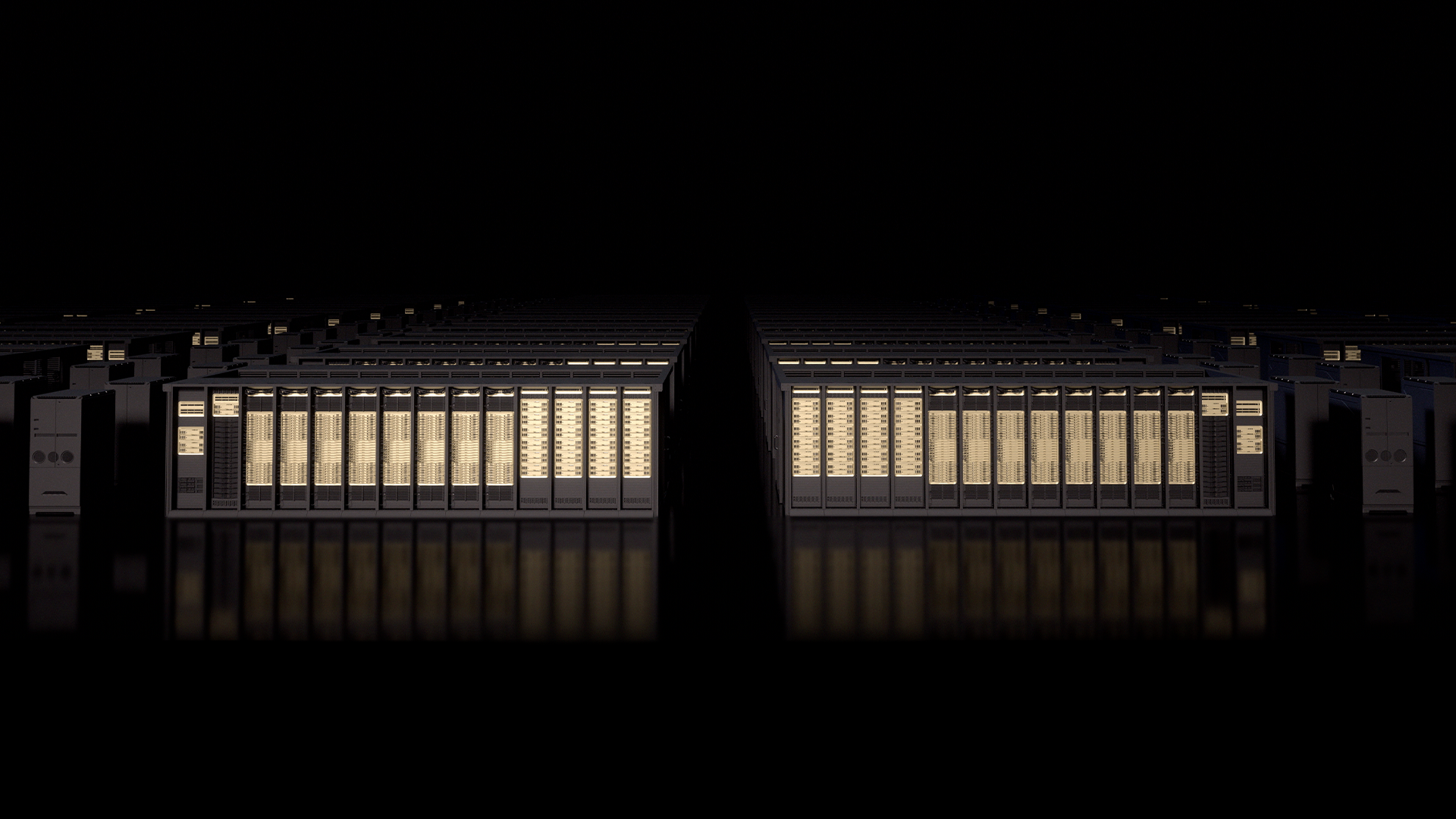
NVIDIA's new Vera Rubin platform has made a strong debut in MLPerf benchmarks, showcasing leading performance across training, post-training, and agentic inference tasks. The platform claimed victory in every MLPerf Training v6.1 benchmark, while delivering more than 10 times the generational gains in throughput per watt for agentic AI in its first MLPerf Endpoints submission.
This performance is expected to continue improving through continuous optimization of NVIDIA’s CUDA-powered software stack. AI agents, which are increasingly being used for tasks like writing code, running workflows, answering customer questions, and advancing scientific research, benefit from faster training times, enabling them to reach users sooner and adapt to new data or threats more quickly.
The NVIDIA platform was the only one to achieve results on every MLPerf benchmark in this round, demonstrating up to 2 times more performance per GPU than the highly optimized NVIDIA GB300 NVL72 system. Additionally, NVIDIA showcased the scale of Vera Rubin by running the DeepSeek-V3 benchmark efficiently with 10,240 GPUs, matching Microsoft Azure's scale with 10,240 NVIDIA GPUs in GB200 systems.
NVIDIA emphasized that the power efficiency of their system allows it to serve more AI agents while maintaining fast response times, giving it a significant edge in the agentic inference space.
Written by urgent.news from NVIDIA Blog's reporting — not their text. Machine-written — may contain errors; check the original before relying on it.