CUDA at 20: How the Platform Transformed Scientific Computing
This week at SC26, NVIDIA is marking two decades of CUDA by honoring the researchers, developers and engineers who helped make GPU computing a foundation for modern science and AI. CUDA’s 20th anniversary presents an occasion to reflect across computing eras, from the people who wrote the very first CUDA programs to the AI developers […]
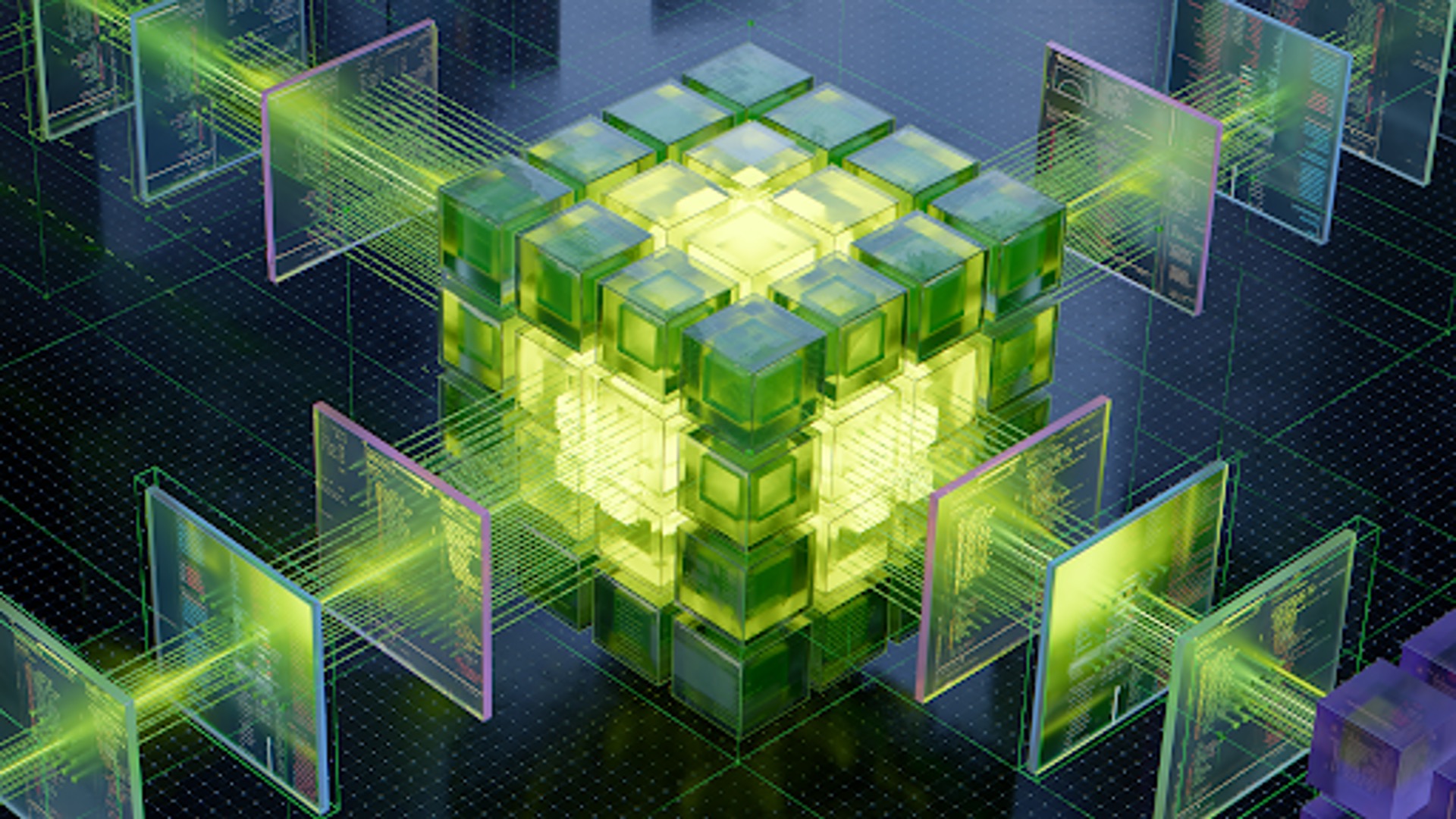
This week at SC26, NVIDIA is commemorating the 20th anniversary of CUDA, the GPU computing platform that has become a cornerstone of modern science and AI. The platform's enduring impact stems from the dedicated community of developers, researchers, and engineers who have pushed its boundaries over the past two decades. Since its launch in November 2006 at SC06, CUDA has expanded beyond graphics applications to power demanding scientific simulations, AI breakthroughs, and visual effects in award-winning films.
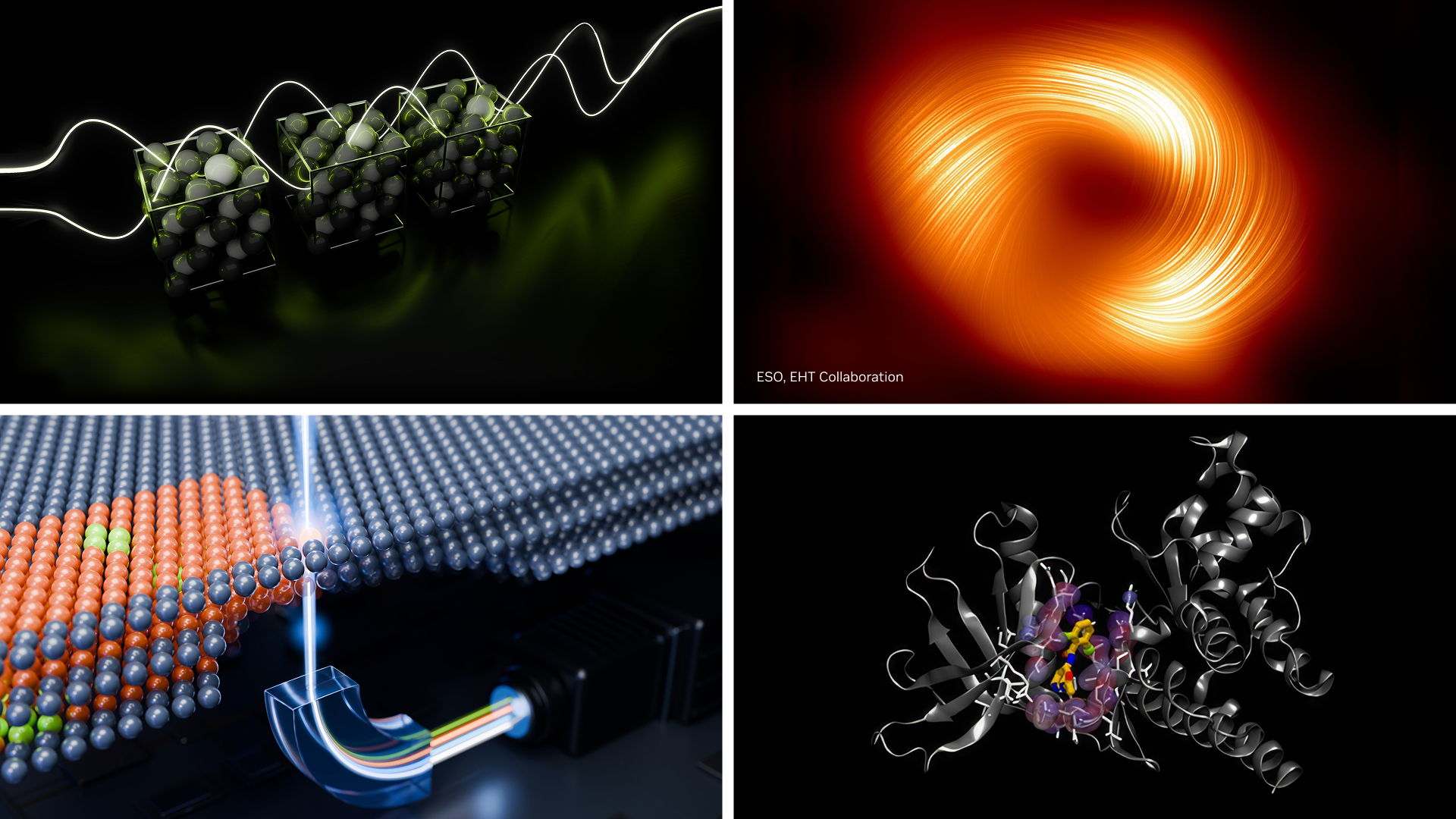
Over 11 million developers worldwide now build upon CUDA across the computing stack. At SC26, NVIDIA highlights several CUDA luminaries whose pioneering work has transformed fields such as molecular biology, AI, and protein structure prediction. At the University of Illinois Urbana-Champaign, biophysicist Klaus Schulten's team developed tools like Nanoscale Molecular Dynamics and Visual Molecular Dynamics, enabling molecular simulation and visualization on GPUs.
In 2013, researchers at Illinois, the University of Pittsburgh, and Vanderbilt University leveraged CUDA-accelerated tools to determine the atomic structure of the HIV capsid using Blue Waters, one of the world's most powerful supercomputers at the time.
A landmark achievement in AI came from University of Toronto researchers Alex Krizhevsky, Ilya Sutskever, and Geoffrey Hinton, who used CUDA to train AlexNet on just two NVIDIA GPUs, winning the 2012 ImageNet competition. This success showcased the potential of GPU computing for deep learning. More recently, AlphaFold, developed by Demis Hassabis and John Jumper, utilized CUDA for GPU execution and was awarded the 2024 Nobel Prize in Chemistry for its groundbreaking protein structure prediction software.
These milestones illustrate how each generation of CUDA developers builds upon the work of their predecessors, unlocking new possibilities in science, AI, and technology. With over 1,000 NVIDIA CUDA-X libraries, developers can now reshape industries and equip machines with the ability to see, learn, and reason. To start building with CUDA, visit the 20-Year CUDA Celebration Event Wall at NVIDIA's booth at SC26.
Written by urgent.news from NVIDIA Blog's reporting — not their text. Machine-written — may contain errors; check the original before relying on it.