NASA's Voyager 1 probe is about to reach 1 light-day
We haven't written up this one. Live Science has the full story — the link below goes straight to it.
What's breaking now, across thousands of outlets.
We haven't written up this one. Live Science has the full story — the link below goes straight to it.
From helping fellow tourists find their way to recommending independent shops and local businesses, visitors can play a part in supporting rural communities.
A highly lethal pathogen is responsible for the mass death of tadpoles and the rapid decline of amphibian populations in the Atlantic Forest.
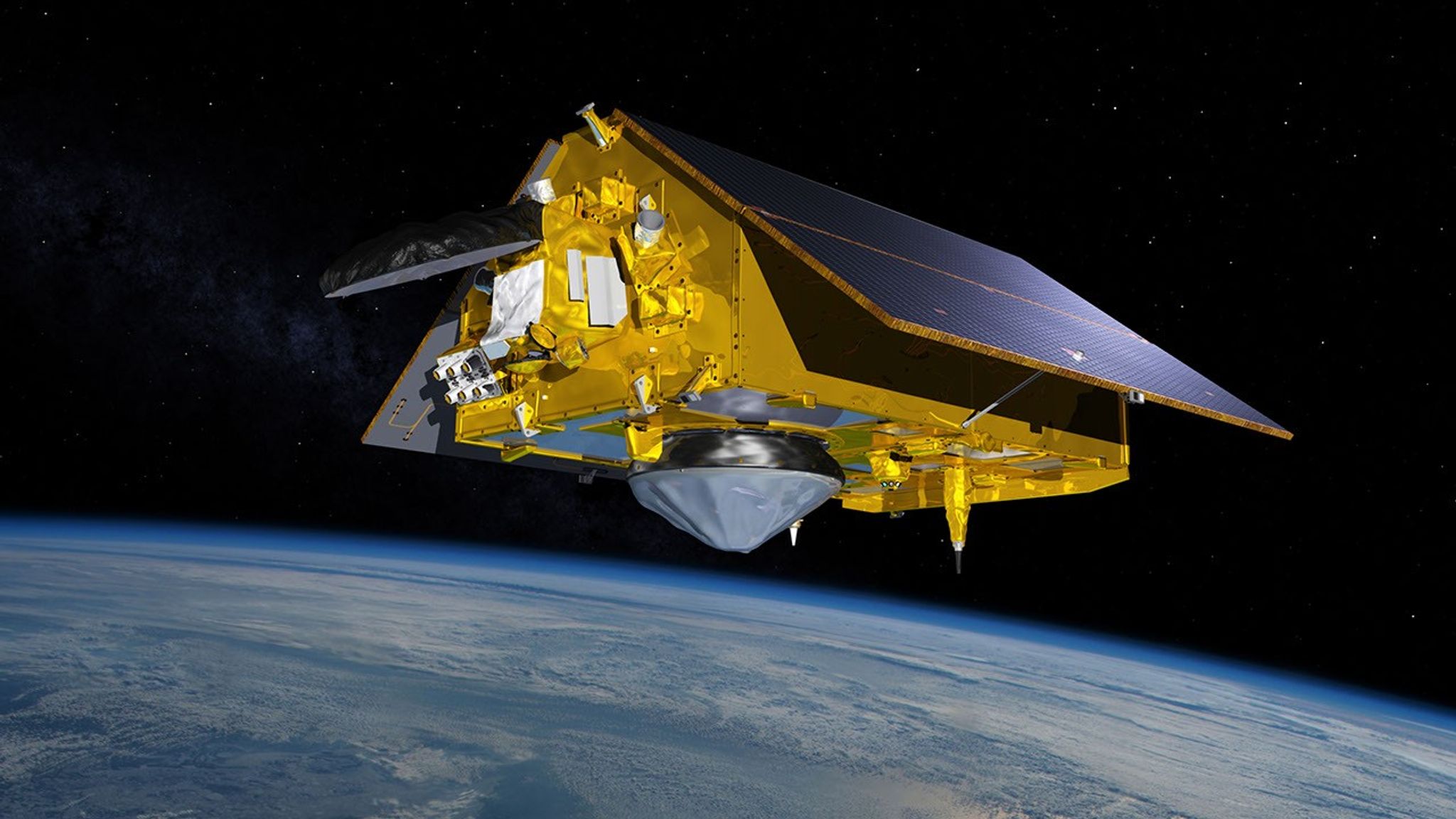
As of Oct. 30, the Sentinel-6B satellite has been calibrated to serve as the world’s go-to data source on sea level rise.
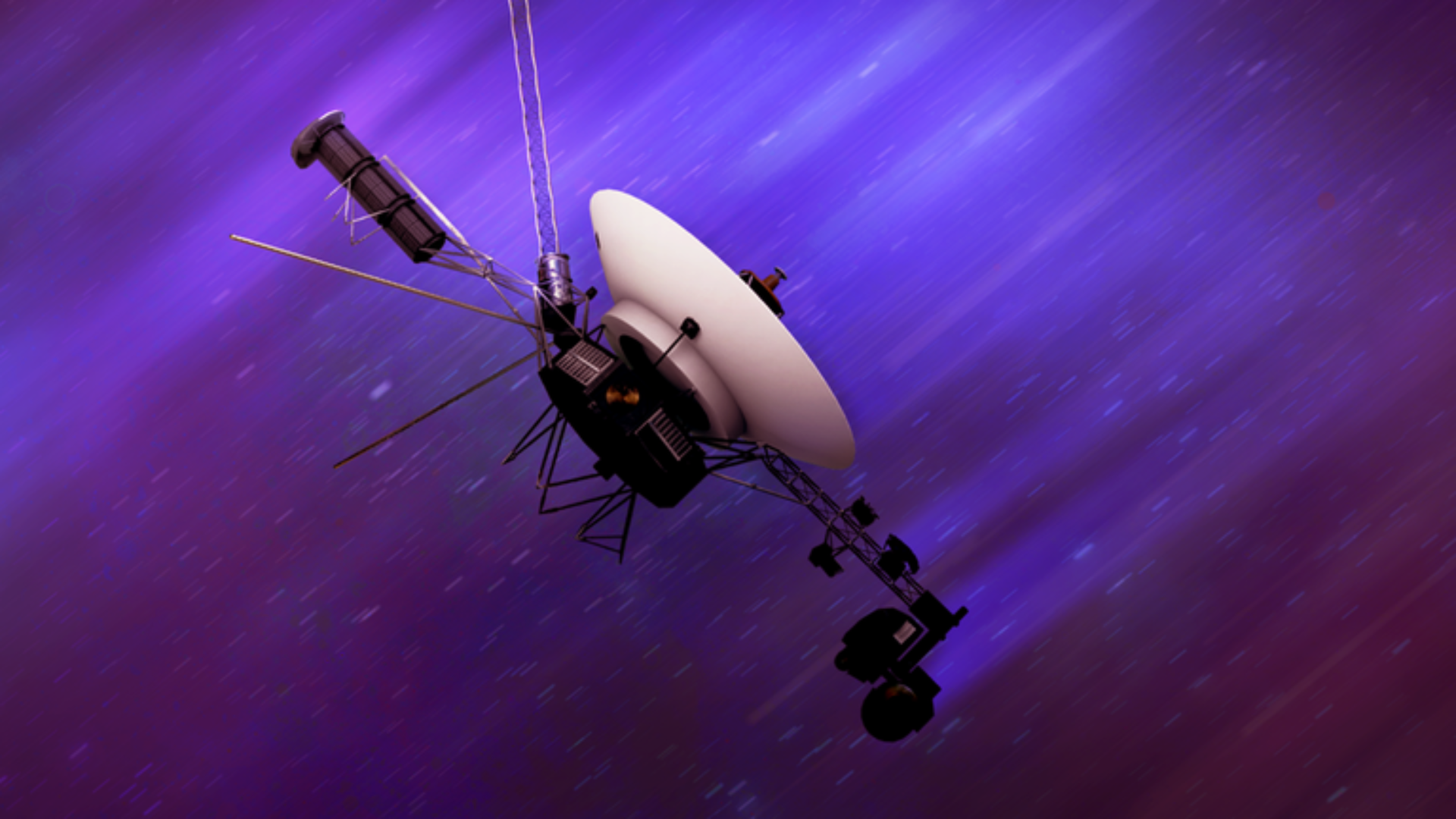
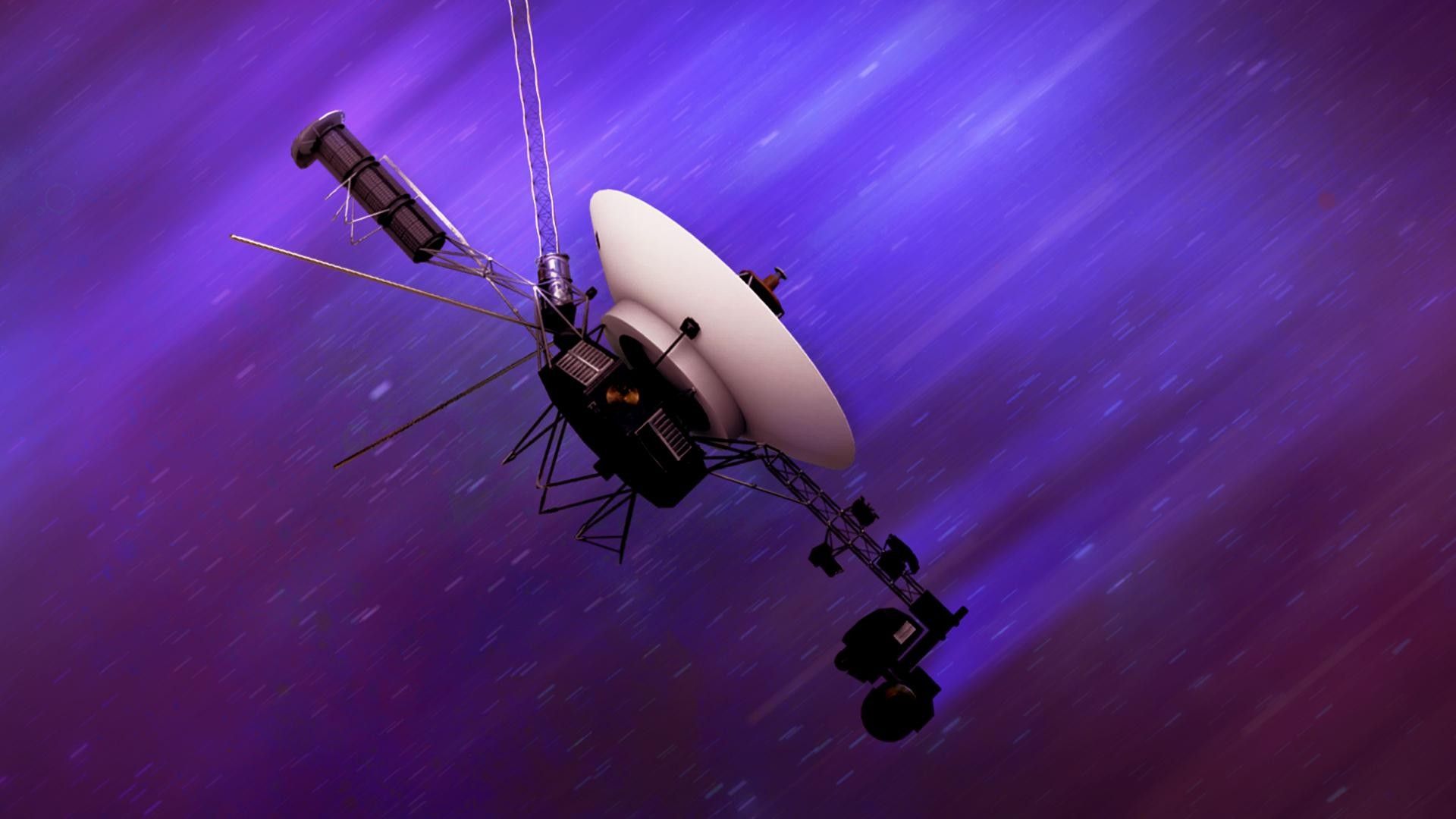
It took the space probe nearly 50 years to get to one light-day, with NASA scientists and engineers going through lengths to ensure that it could keep operating for as long as possible.
Nearly 50 years after launch, NASA's Voyager 1 probe will pass the one light-day mark on Nov. 18, a symbolic milestone for the agency's longest-running mission.
Learn more about Voyager 1, how far it has traveled, and how the Voyager team is keeping the probe going.