Voyager 1 probe to hit historic one light-day distance from Earth in 17 days — 49-year-old spacecraft travels 16 billion miles and survives nearly ten times the length of its original five-year mission
It took the space probe nearly 50 years to get to one light-day, with NASA scientists and engineers going through lengths to ensure that it could keep operating for as long as possible.
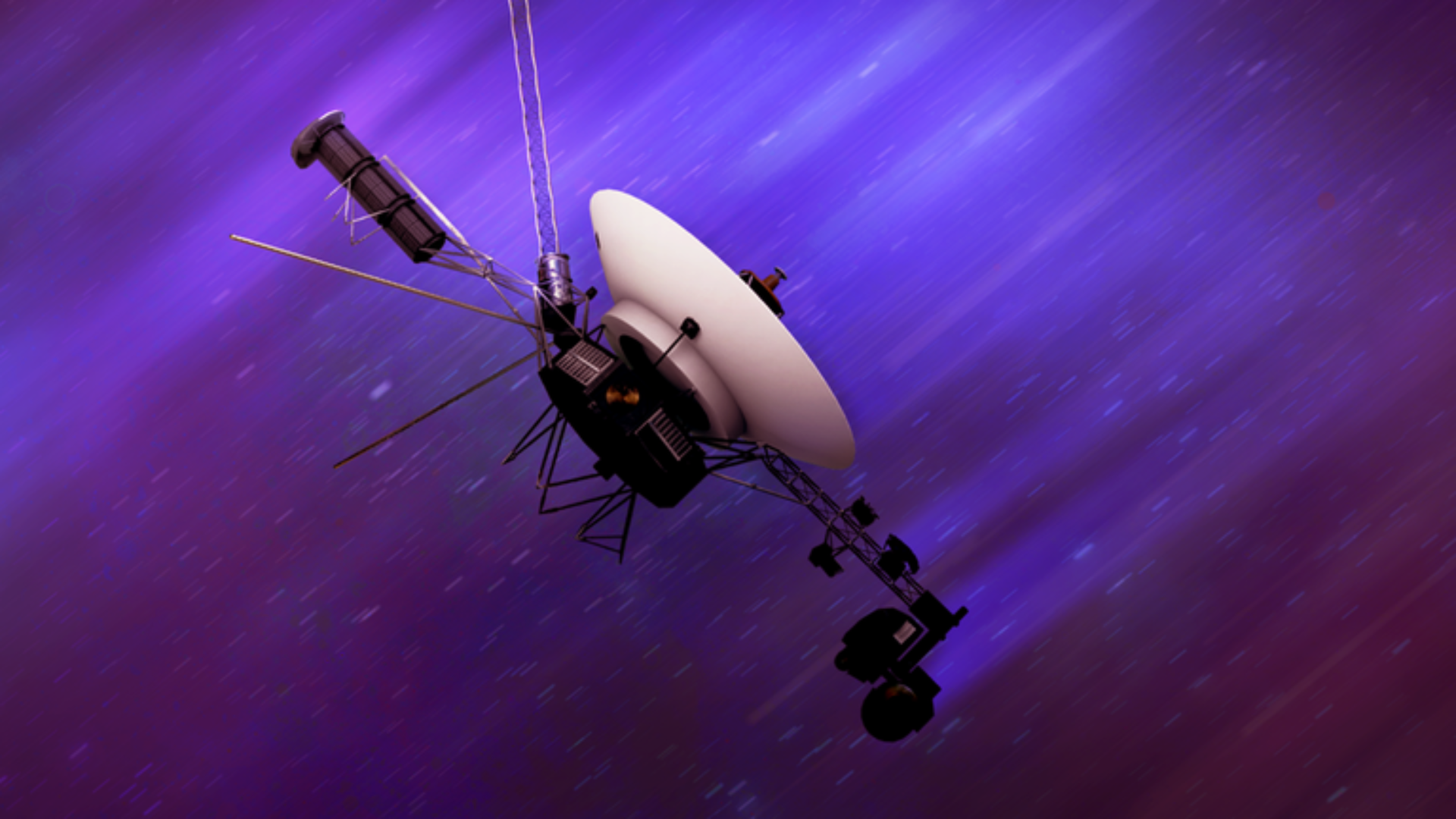
On November 18, 2026, NASA's Voyager 1 spacecraft will mark a historic milestone by reaching a distance of one light-day from Earth, making it the most distant artificial object in history. According to NASA, this achievement comes after the 49-year-old probe has traveled 16 billion miles (26 billion kilometers) and survived far beyond its original five-year mission.
The distance of one light-day refers to the distance light travels in 24 hours, which is approximately 16 billion miles or 26 billion kilometers. Voyager 1 moves at an average speed of 37,844.49 mph, slower than other spacecraft but still quite fast.
The probe's long lifespan has been extended nearly ten times its original mission timeline due to the efforts of NASA scientists. In 2024, it experienced a critical memory error, which engineers successfully fixed after weeks of diagnosis. However, repairing the spacecraft at such a vast distance has proven challenging due to the significant latency in communications. Currently, the three radioisotope thermoelectric generators (RTGs) powering Voyager 1 have enough power to keep the spacecraft operational until the 2030s.
Voyager 1's future destination is the star AC +79 3888, also known as Gliese 445, located within the Ursa Minor constellation. It will pass within 1.7 light-years of the star in 17 light-years. Given the probe's slow speed of 0.00564325% of the speed of light, it will take Voyager 1 more than 300,000 years to reach its next destination.
Written by urgent.news from Tom's Hardware's reporting — not their text. Machine-written — may contain errors; check the original before relying on it.