'Out there, moving into the unknown': As Voyager 1 reaches one light-day from Earth, scientists reflect on its past — and its future
Nearly 50 years after launch, NASA's Voyager 1 probe will pass the one light-day mark on Nov. 18, a symbolic milestone for the agency's longest-running mission. Scientists reflect on the Voyager program's legacy and what comes next.
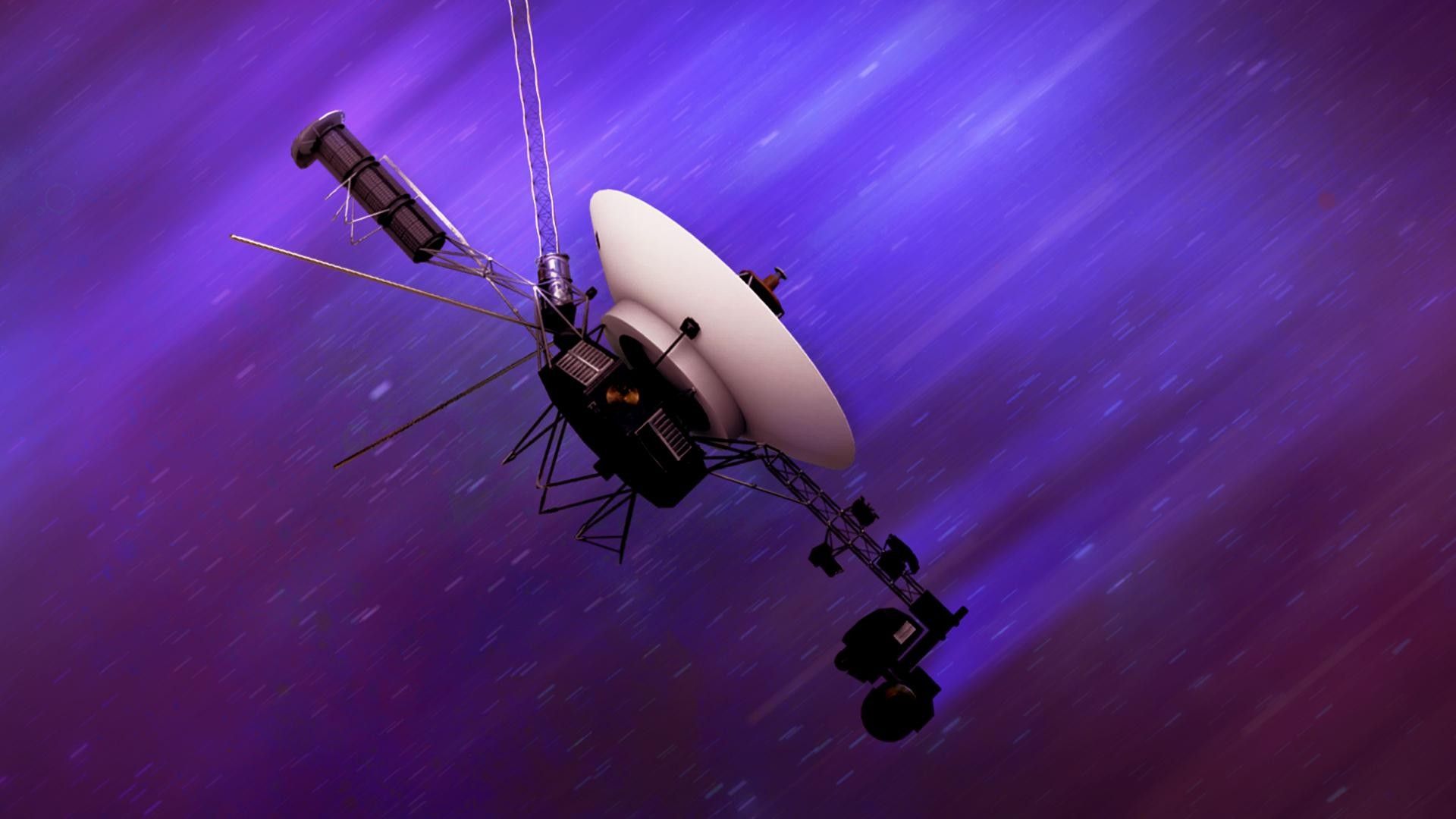
NASA's Voyager 1 probe, the farthest human-made object in space, is about to reach a significant milestone on Nov. 18, becoming the first spacecraft to be one light-day away from Earth. This symbolic 24-hour journey through space highlights the mission's half-century longevity, as the twin Voyager probes have outlasted many of the engineers who built them.
Since their launch in 1977, Voyager 1 and Voyager 2 have provided invaluable close-up observations of the outer solar system planets, offering crucial data about our cosmic neighborhood and the interstellar space beyond. Voyager 1, hurtling through space at nearly 38,000 mph, is currently located about 16 billion miles from Earth, a distance equivalent to one light-day.
While this may seem like a considerable distance, it is but a tiny fraction of the vastness of space, serving as a humbling reminder of the immense scale of the cosmos.
Brief written by urgent.news from Live Science's own syndicated text. Machine-written — may contain errors; check the original before relying on it.