I believed these self-hosting myths until I tried it myself
Self-hosting has its challenges, but not the ones I expected.
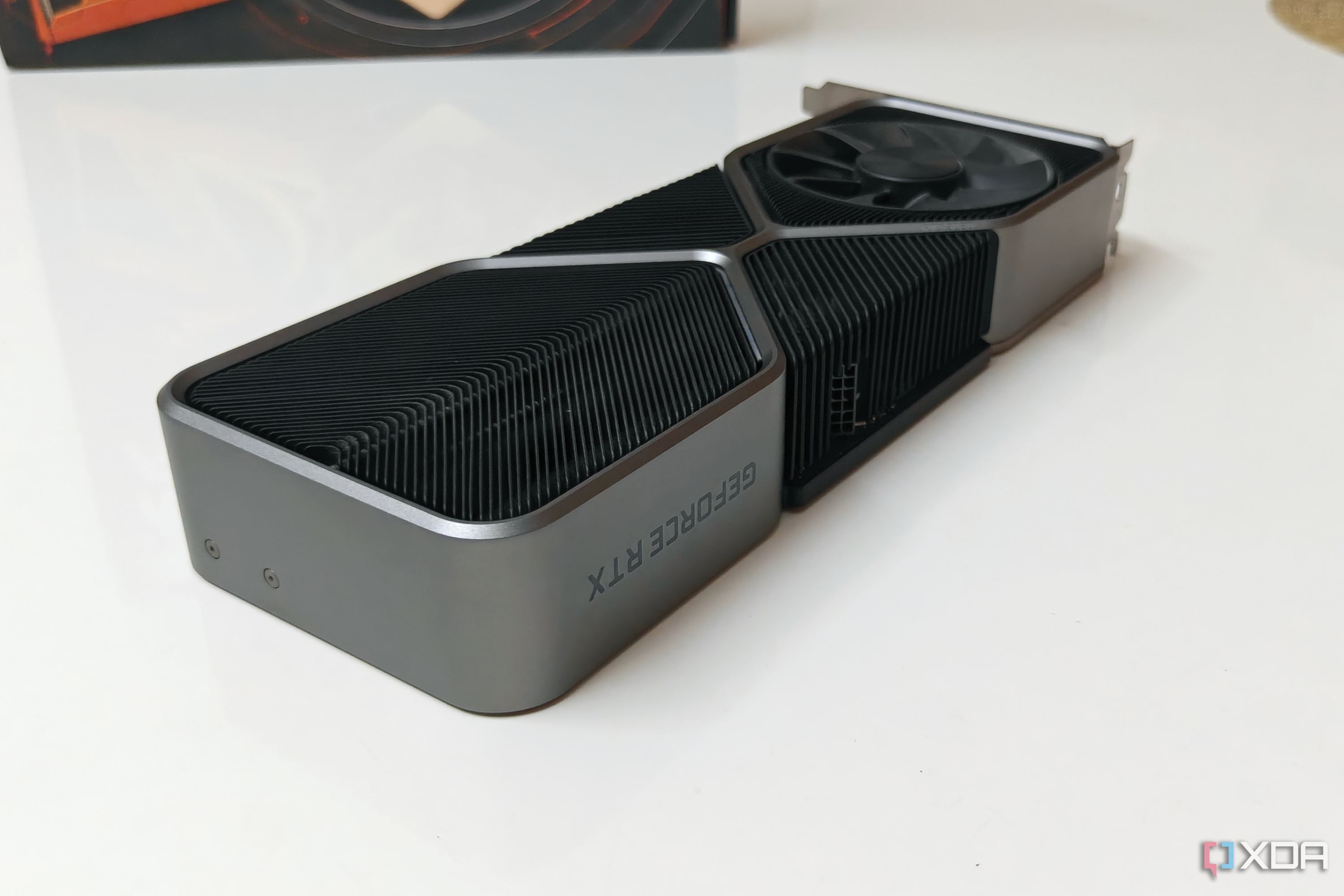
The author of this piece initially harbored several misconceptions about self-hosting, believing it to be an endeavor reserved for tech enthusiasts with access to high-end hardware and a deep understanding of Linux command lines. Over time, however, their experience challenged these assumptions. They began their self-hosting journey on a modest PC with limited specifications, running several services smoothly without the need for dedicated server hardware.
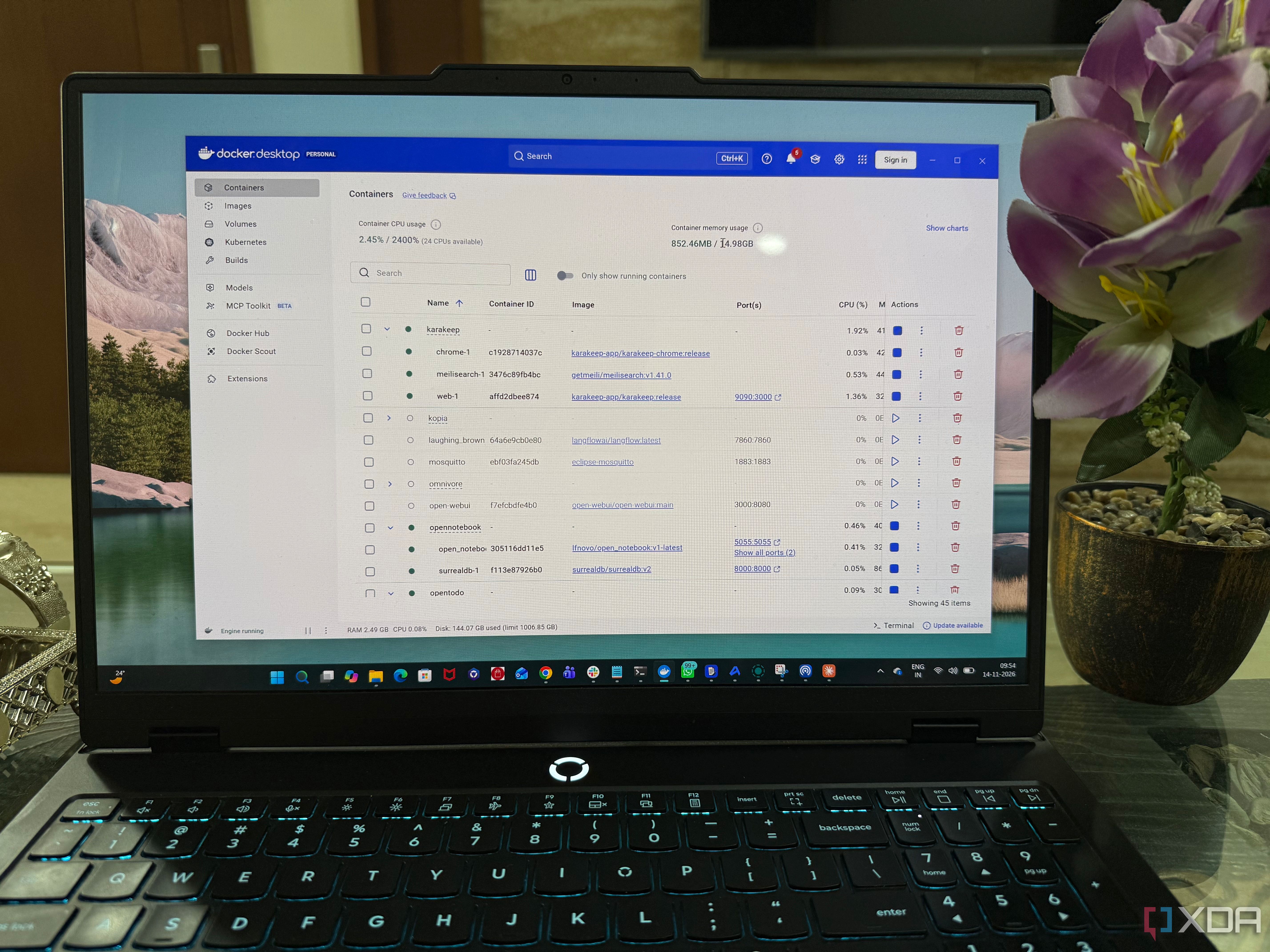
This dispelled the myth that powerful servers are a prerequisite for self-hosting. Another misconception was the complexity involved in managing self-hosted applications, particularly regarding Linux commands and server configuration. This was debunked by the author's experience with Docker, which simplified the process significantly.
Docker allowed them to set up applications like Paperless-ngx with Docker Compose configurations, making the initial setup straightforward even for beginners. Lastly, the author questioned the quality of free, self-hosted alternatives, believing they often came with compromises such as outdated interfaces or missing features. They were pleasantly surprised by applications like Immich and BentoPDF, which offered polished and feature-rich experiences comparable to paid alternatives.
This challenged the notion that free self-hosted applications are inherently inferior or lacking in polish.
Brief written by urgent.news from XDA Developers's own syndicated text. Machine-written — may contain errors; check the original before relying on it.