How the world’s fires changed while humanity hit pause
COVID-19 lockdowns cut global fire activity by 12.3 percent.
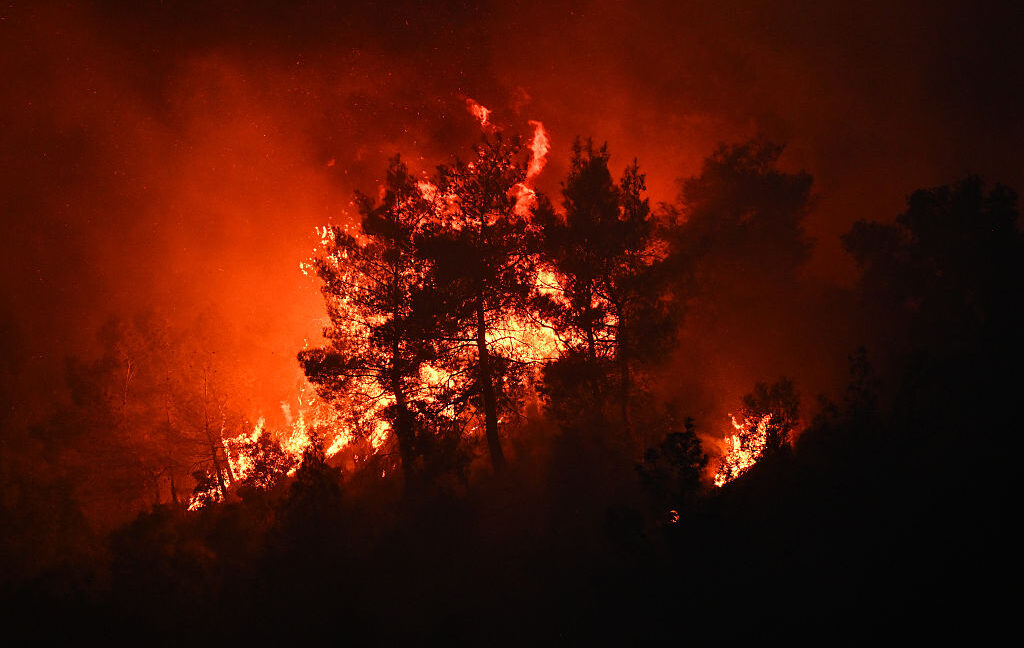
The recent study from the Chinese Academy of Sciences, published in Cell Reports Sustainability, sheds new light on the relationship between human activity and wildfire occurrences. Led by Professor Jianghao Wang, the research team analyzed data from the COVID-19 era and compared it with other years, revealing that the global lockdowns of 2020 led to a net reduction in average fire activity.
This finding is significant as it underscores the impact of human behavior, specifically reduced activity levels, on fire dynamics. While the study acknowledges the complexity of attributing fire incidents to human influence due to the interplay of natural and human factors, it provides a valuable insight into how mitigating human activity can potentially mitigate fire risks.
Brief written by urgent.news from Ars Technica Science's own syndicated text. Machine-written — may contain errors; check the original before relying on it.
This story
This is one outlet's version. Read the fullest account.
- How the world’s fires changed while humanity hit pause arstechnica.com